賄賂
noun 名詞主にイギリスの口語で、便宜や不正な取り計らいを得るために渡す賄賂を指す可算名詞。give someone a bung などの形で使い、通常の料金や善意の贈り物とは異なり不正な意図を含む。
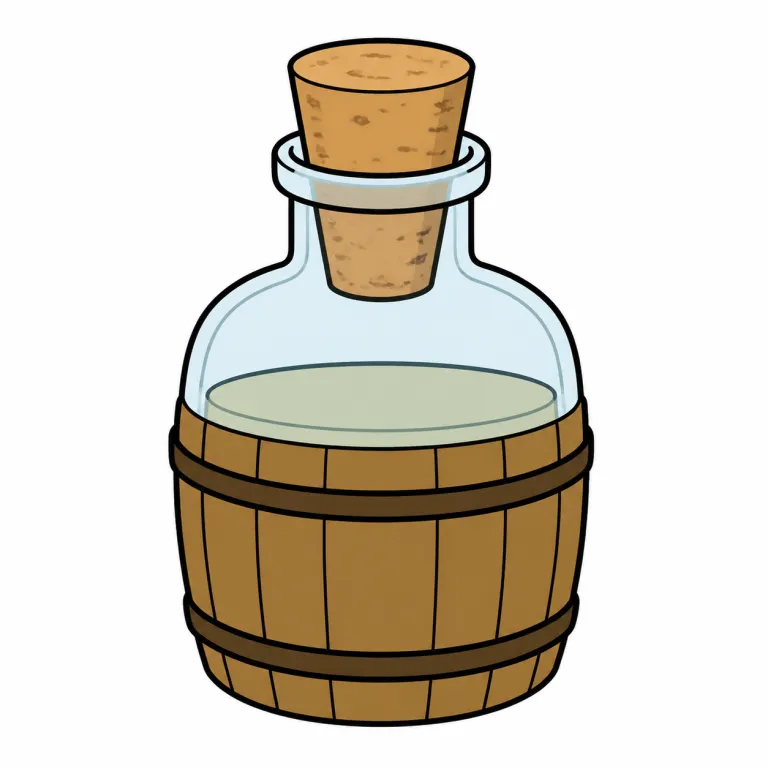
樽や容器の穴をふさぎ、液体が漏れないようにする栓。木、ゴム、コルクなどで作られる。
A stopper used to close a hole in a barrel or other container so that liquid cannot escape. It may be made of wood, rubber, cork, or a similar material.
bung は瓶の cork よりも、主に樽や大きな容器の穴を密閉する「栓」を指す。bung hole(樽の栓穴)、remove the bung(栓を抜く)という組み合わせが典型的。横倒しの樽に開いた丸い穴へ栓を強く押し込み、中の酒が漏れなくなる場面を思い浮かべると定着しやすい。
Picture a round stopper being pushed firmly into the hole of a barrel to prevent wine from leaking. Remember the common phrases remove the bung and bung hole.
He pulled the bung out of the barrel.
彼は樽から栓を引き抜きました。
Make sure the bung is tight.
栓がしっかり締まっていることを確認してください。
Wine leaked around the wooden bung.
木製の栓の周りからワインが漏れました。
文脈によって、次の意味でも使われます。
主にイギリスの口語で、便宜や不正な取り計らいを得るために渡す賄賂を指す可算名詞。give someone a bung などの形で使い、通常の料金や善意の贈り物とは異なり不正な意図を含む。
主にイギリスの口語で、物を乱暴に投げたり、考えずにある場所へ放り込んだりすることをいう。bung A inまたはbung A into Bの形が多く、丁寧に置く場合には使わない。
中世オランダ語 bonghe(栓・詰め物)に由来し、樽の口を塞ぐ木栓を指した。語根はゲルマン祖語で「閉じる」意。関連語に bunghole(栓穴)がある。樽文化から生まれた実用的な語。
It comes from Middle Dutch bonghe, meaning a stopper or plug. The word originally referred to a wooden stopper used to close a barrel.
この英単語をクイズで覚えよう