地方の政治的有力者、政治ボス
noun 名詞中南米やスペインの政治文脈で、地域社会を非公式に支配し、選挙や行政に強い影響力を持つ有力者を指す。しばしば権力を私物化する「地方ボス」という批判的な含みがあり、先住民族の正式な首長とは区別される。
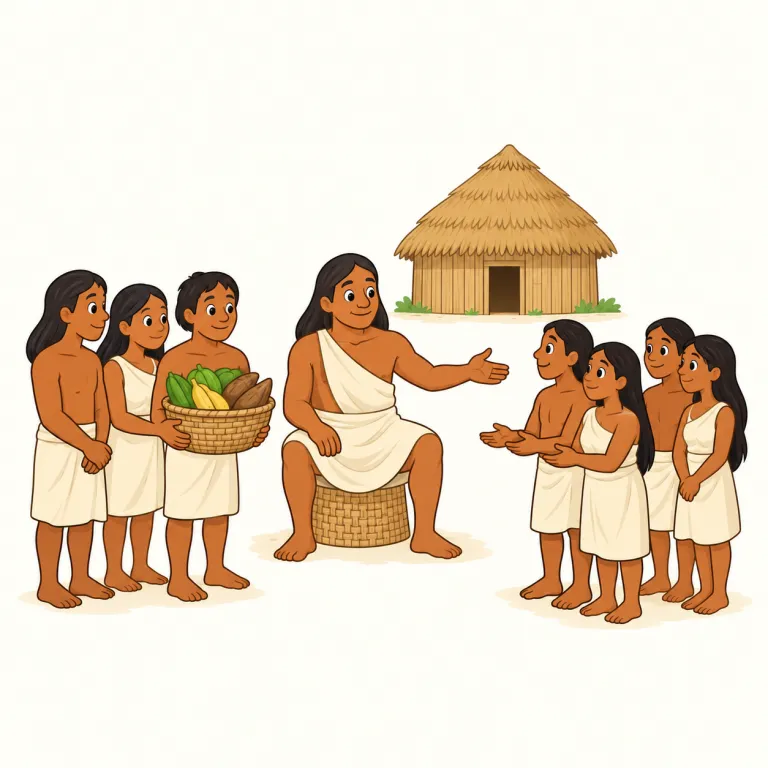
スペイン系アメリカの先住民社会における首長や族長。特に植民地時代のカリブ海地域やラテンアメリカで用いられた称号。
A cacique is a chief or leader of an Indigenous community, especially in the Caribbean and Latin America during the colonial period. In history and anthropology, the word refers to a person with local authority and influence.
まず一般語の chief「首長」を土台にし、その“ラテンアメリカ史で使う固有の呼び名”が cacique だと覚えると定着しやすいです。英語で見ても日常語ではなく、植民地時代のスペイン語圏・カリブ海の文脈で出る歴史用語だと位置づけるのがコツ。tribe の leader ではなく、地域社会を率いる在地の首長という感じ。似た歴史称号の sultan, khan, shogun のように「訳すより称号名ごと覚える」と混同しにくいです。
Learn it like a title, similar to `sultan`, `khan`, or `shogun`, rather than trying to translate it every time. `Cacique` usually appears in Latin American or Caribbean historical contexts, where it means a local native chief. The main memory hook is: `chief`, but in a specific colonial-history setting.
The cacique ruled the island community with traditional authority.
その先住民族の首長は、伝統的な権威に基づいて島の共同体を治めていた。
Historical records describe the cacique's role in colonial administration.
歴史資料には、植民地行政において先住民族の首長が果たした役割が記されている。
The role of the cacique in local governance varied across regions.
地方統治における先住民族の首長の役割は、地域によって異なっていた。
文脈によって、次の意味でも使われます。
中南米やスペインの政治文脈で、地域社会を非公式に支配し、選挙や行政に強い影響力を持つ有力者を指す。しばしば権力を私物化する「地方ボス」という批判的な含みがあり、先住民族の正式な首長とは区別される。
スペイン語 cacique からで、さらにカリブ海先住民のタイノ語系 kasike(首長)にさかのぼります。ヨーロッパ人が現地の支配者をその呼び名で呼んだため、「先住民族の首長」という意味になりました。
Cacique came into English through Spanish cacique. Spanish had borrowed it from Taíno, an Indigenous Caribbean language, where a form like kasike meant a chief or local ruler. Europeans kept the local title when speaking about Native leaders, so the word came to mean an Indigenous chief.
この英単語をクイズで覚えよう