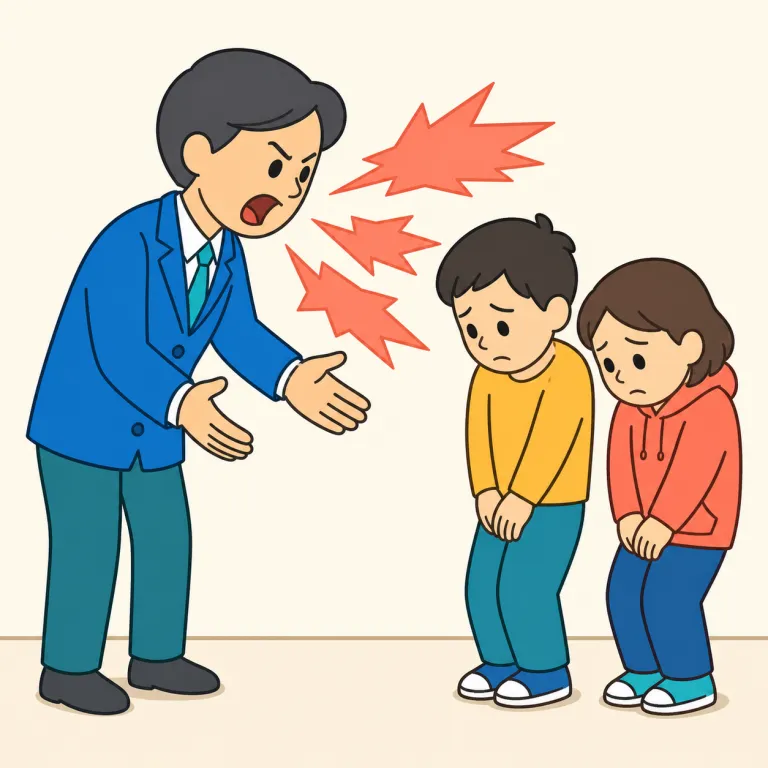
非難する
解説 Definition
厳しく非難する、厳格に罰する、こっぴどく叱る。強く批判的な言葉や行動で相手を責めるという意味の動詞。
To castigate someone means to criticize them very strongly for something wrong they have done. The word is more formal than simply saying 'criticize.' It is often used in serious writing, public discussion, or official statements.
覚え方のコツ Memory Tip
まず criticize(批判する)や scold(叱る)より強い語だと位置づけると覚えやすいです。castigate は「相手を容赦なく厳しく責める」で、政治家や企業を公に非難する記事でよく出ます。語感は chastise にかなり近く、castigate のほうがより強く、手厳しい印象。castigate A for B の形で「AをBのことで厳しく非難する」とまとまりで覚えると定着します。instigate と形が少し似ていますが、あちらは「扇動する」なので混同注意です。
Place it above `criticize` or `scold` in strength. `Castigate` is used for very harsh public criticism, often in serious writing about politics or companies. A useful chunk to remember is `castigate A for B`.
例文
The principal castigated the students for their disruptive behavior in class.
校長は授業中に妨害行為をした生徒たちをこっぴどく叱った。
The newspaper castigated the government's handling of the crisis.
新聞は危機への政府の対応を厳しく非難した。
He was castigated for his poor performance and lack of effort.
彼は仕事ぶりの悪さと努力不足を厳しく叱責された。
castigate の類義語・関連語
紛らわしい語
castigate の語源・成り立ち Etymology
castigate はラテン語 castigare 由来で、castus「純粋な」+ agere「行う・導く」と解されます。もとは「誤りを正して清める」感覚で、そこから「厳しく叱る・非難する」に発展しました。関連語は chastise, chasten です。
Castigate comes from Latin castigare. It is usually explained from castus, "pure," with a verb meaning "to drive" or "set right." The original sense was correcting faults to make someone morally clean, which later became the stronger idea of scolding or condemning harshly; related English words include chastise and chasten.
同じレベルの語彙をもっと
外部辞書で調べる
この英単語をクイズで覚えよう