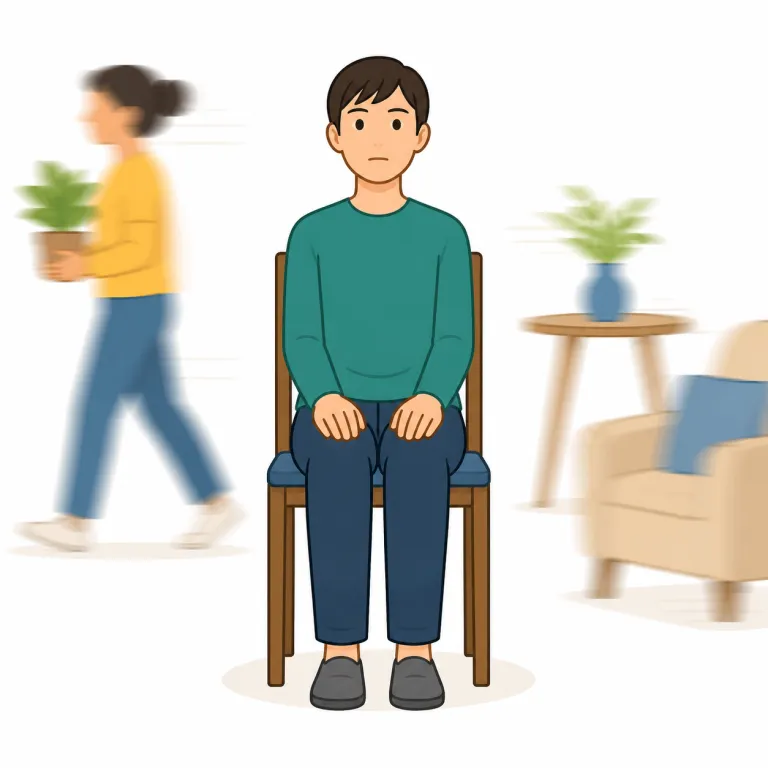
ぼう然とした、無反応の
adjective 形容詞くだけた比喩表現で、衝撃や恐怖、極度の退屈などにより、動いたり反応したりできないように見える状態を表す。医学的な緊張病の診断を意味せず、一時的な様子を誇張して述べる用法である。
緊張病に関する、または緊張病の症状を示す状態を表します。体の硬直、動きの停止、反応の乏しさなど、医学的に深刻な無反応状態を指す語です。
Catatonic describes a medical state in which a person does not move, speak, or respond normally. It is mainly used in psychology or medicine, though people sometimes use it informally to mean completely frozen or unresponsive.
catatonia(緊張病)に -ic が付いた形容詞として覚えると、「緊張病に関する」とつかみやすいです。shocked や stunned のような一時的な驚きではなく、体が固まり反応が乏しい医学的な状態を思い浮かべると区別できます。catatonic state, catatonic episode のように、症状や発作と結びつけて覚えると定着します。
Learn it next to the noun `catatonia`, then `catatonic` becomes easy as the adjective form. The ending `-ic` often means “related to” or “in that state.” To remember it, picture a serious medical state with little movement or response, not just someone who is shocked for a moment.
The patient became catatonic and remained motionless for hours.
患者は緊張病性の状態になり、何時間も動かないままだった。
The doctor noted catatonic symptoms, including rigid posture and a lack of response.
医師は硬直した姿勢や反応の欠如を含む緊張病性の症状を記録した。
The psychiatrist specialized in treating catatonic episodes in schizophrenia patients.
その精神科医は統合失調症患者の緊張病性エピソードの治療を専門としていた。
文脈によって、次の意味でも使われます。
くだけた比喩表現で、衝撃や恐怖、極度の退屈などにより、動いたり反応したりできないように見える状態を表す。医学的な緊張病の診断を意味せず、一時的な様子を誇張して述べる用法である。
catatonicはcatatoniaから来た語で、ギリシャ語kata-「下へ・完全に」+tonos「緊張・張り」が土台です。心身の緊張が異常に固定された状態を表し、「張りが下へ落ちた/固まった」ような像から意味がつかめます。関連語はtone, tonicです。
Catatonic comes from catatonia, a modern medical term built from Greek parts: kata-, meaning down or completely, and tonos, meaning tension or tone. The word was formed to describe a condition in which normal bodily or mental tension seems fixed, altered, or shut down. From there it developed into the adjective catatonic. Tone and tonic come from the same Greek root.
この英単語をクイズで覚えよう