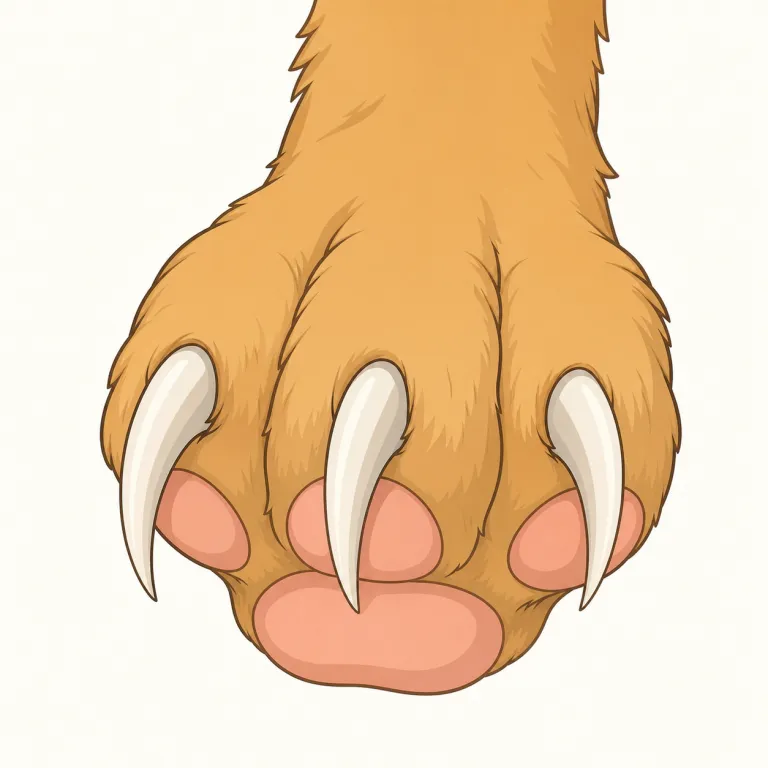
かぎ爪
/ verb 動詞 (爪で)ひっかく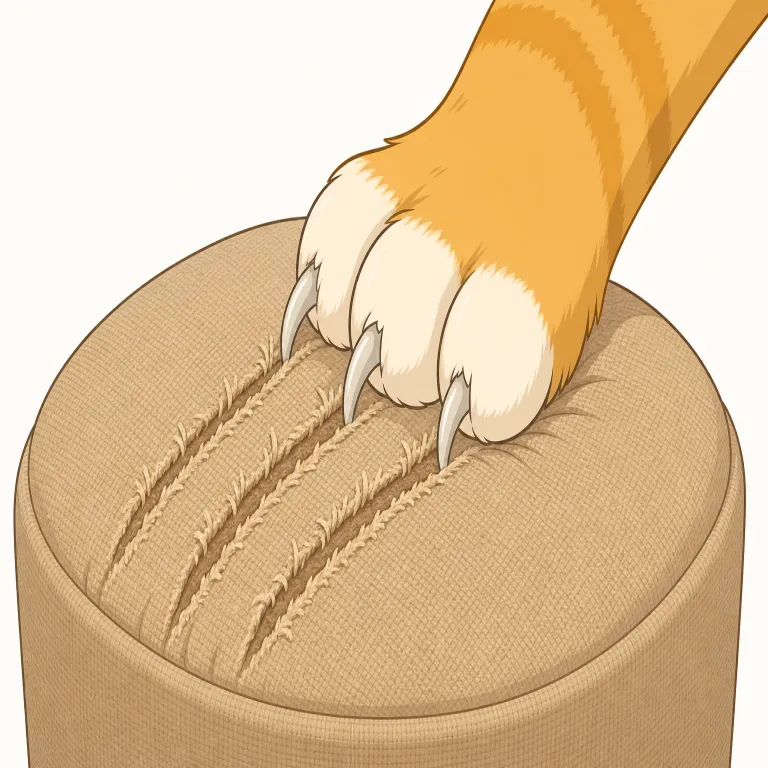
解説 Definition
動物や鳥の足先にある、曲がって先がとがった爪のことです。ものをつかんだり、木に登ったり、身を守ったりするときに使われます。
A claw is a sharp, curved nail on the foot of an animal or bird. Animals use claws to grip, climb, scratch, or protect themselves.
覚え方のコツ Memory Tip
claw は、人の平たい nail ではなく、動物や鳥の足先にある「曲がって鋭いかぎ爪」です。ワシが魚を claws でつかみ、猫が一本の sharp claw を出し、熊が木に claw marks を残す三場面を結ぶと定着しやすいでしょう。つかむ・登る・引っかくのに適した、先端が内側へ曲がる形が核心です。一本なら a claw、複数なら claws とし、in its claws「かぎ爪でつかんで」、sharp claws、claw marks のまとまりで覚えると、一般的な「爪」と混同しにくくなります。
Think of a claw as a hook-shaped nail. Its curved shape helps an animal catch or hold things.
例文
The eagle held the fish in its claws.
ワシはかぎ爪で魚をつかんでいました。
The cat's claw was sharp.
そのネコのかぎ爪は鋭かったです。
A bear left claw marks on the tree.
クマが木にかぎ爪のあとを残しました。
claw の類義語・関連語
紛らわしい語
claw の語源・成り立ち Etymology
古い英語の clawu に由来し、動物の曲がった爪を表していました。昔から、つかんだりひっかいたりするための先のとがった爪を指す語として使われてきました。
Claw comes from Old English clawu, meaning an animal's claw or hoof-like nail. The word has long been used for a sharp, curved nail used for gripping or scratching.
同じレベルの語彙をもっと
外部辞書で調べる
この英単語をクイズで覚えよう