導電性の
解説 Definition
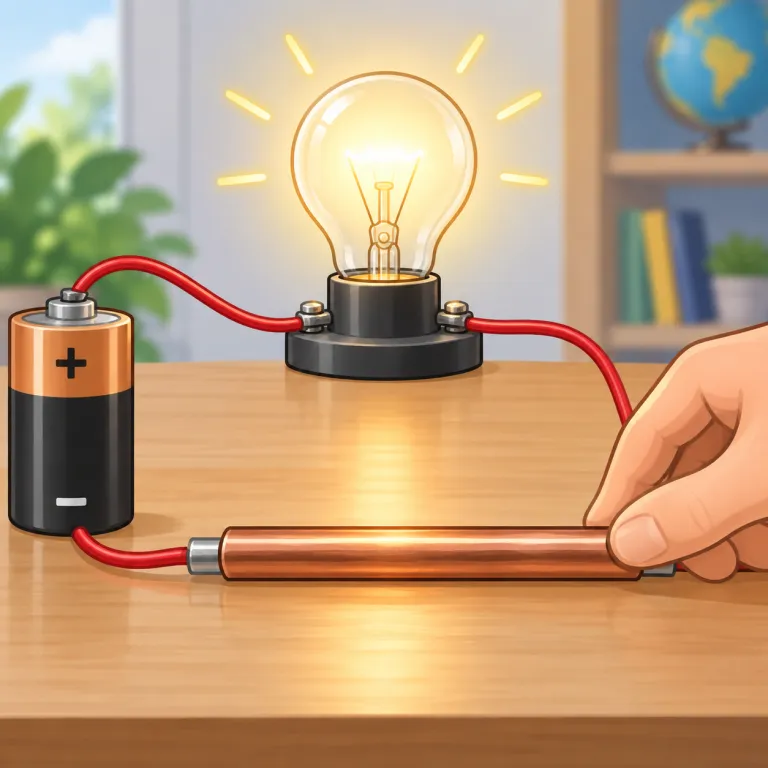
電気や熱などを通しやすい性質を持つ。物質が電流をよく通すことができる状態。
Conductive means able to let heat or electricity pass through easily. It is often used in science and engineering to describe materials such as metal. The opposite idea is shown by words like insulating or non-conductive.
覚え方のコツ Memory Tip
conduct を「導く・運ぶ」、conductor を「電気を通すもの」と知っていれば、conductive は「何かを通して先へ運べる性質がある」とつながります。-ive は「〜する性質の」。金属は conductive、ゴムやプラスチックは opposite の insulating と対比すると定着しやすいです。a conductive material, conductive ink, thermally conductive などの形でよく出て、conduct の「行動する」意味よりも「伝える・通す側の性質」に意識を置くと混同しません。
Link it to `conduct` and `conductor`. Here the idea is not behavior, but carrying something through, such as electricity or heat. It is easy to remember if you contrast it with `insulating`: metal is often `conductive`, while rubber is not.
例文
Copper is a highly conductive metal used in electrical wiring.
銅は電気配線に使用される高い導電性を持つ金属です。
The conductive properties of silver make it ideal for electronics.
銀はその導電性の高さから、電子機器に最適です。
Water with dissolved salt becomes conductive.
塩分が溶けた水は導電性を帯びる。
conductive の類義語・関連語
conductive の語源・成り立ち Etymology
conductive はラテン語 conducere に由来し、con-「共に」+ ducere「導く」+ -ive「〜する性質の」から成ります。conductor や conduct も同根で、電気や熱を「向こうへ導く性質」が導電性という意味にそのままつながります。
Conductive comes from Latin conducere, built from con- meaning "together" and ducere meaning "to lead." In English it was formed with the adjective ending -ive, meaning "having the quality of." The core idea is something that leads or carries something onward, which fits its later technical use. Related words include conduct and conductor.
同じレベルの語彙をもっと
外部辞書で調べる
この英単語をクイズで覚えよう