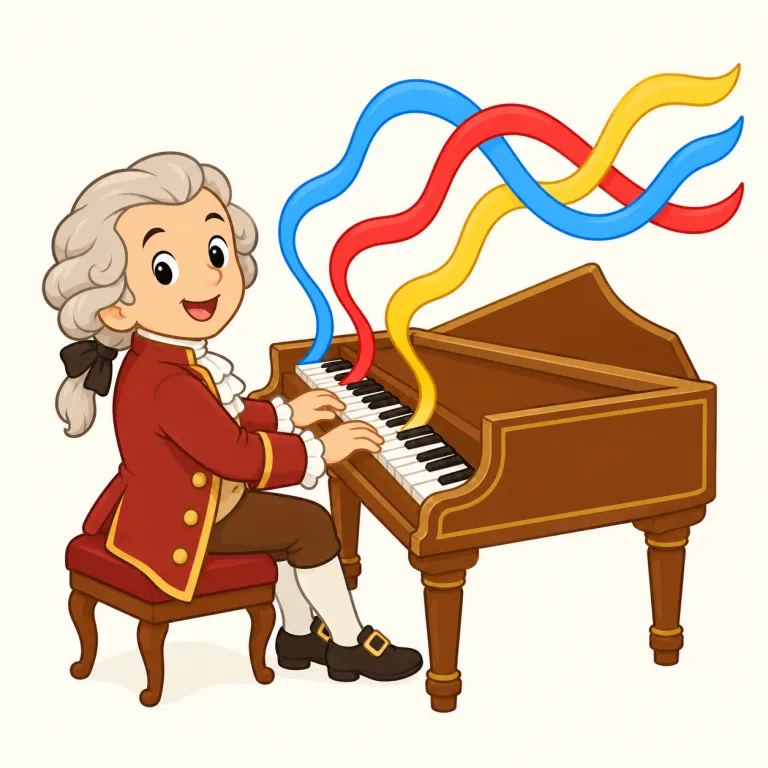
対位法
解説 Definition
音楽の作曲技法で、複数の独立したメロディーを同時に演奏する方法。異なる声部が調和しながら展開される対位法的な構造。
Counterpoints are separate musical lines that are played or sung together in a way that sounds balanced and connected. This idea is important in classical music and music theory. More generally, the word can also mean contrasting ideas placed together, but that use depends on context.
覚え方のコツ Memory Tip
counter- は「反対向き・向かい合う」、point はここでは「点」より「独立した要素」くらいに捉えると覚えやすいです。音楽では、一本の主旋律に全部が従うのでなく、複数の melody がそれぞれ自立して進みながら全体として調和する感じ。Bach や polyphony と結びつけると定着しやすいです。一般語の counterpoint は「対照をなす要素」の意味もあるので、音楽では“独立した線が同時に鳴る”像で固定すると混同しません。
Think of counter as against or alongside, and point here as a separate musical line. The memory image is several melodies moving independently at the same time but still sounding good together. If you connect it with Bach or polyphony, the word is much easier to remember.
例文
The composer skillfully wove counterpoints throughout the fugue.
その作曲家はフーガ全体に巧妙に対位法を織り込んだ。
Understanding counterpoints is essential for studying classical music.
古典音楽を学ぶには対位法の理解が不可欠である。
Bach's works are famous for their intricate counterpoints.
バッハの作品は複雑な対位法で有名である。
counterpoints の類義語・関連語
counterpoints の語源・成り立ち Etymology
ラテン語 contrapunctum から。contra-(対して)+ punctum(点、音符)で「音符に対する音符」の意。punctum は pungere(刺す)に由来し、punctuate(句読点を打つ)と同根。音楽で独立した旋律を重ね合わせる技法を指し、転じて対照的な要素の組み合わせも意味する。
Counterpoints comes from counterpoint, which goes back to Medieval Latin contrapunctum. It is made from contra, meaning "against," and punctum, meaning "point," which referred to a written musical note. The original sense was literally "note against note," for one line of music set against another, and later it also came to mean a striking contrast between ideas or elements. Related words from the same root include point, punctuate, and poignant.
同じレベルの語彙をもっと
外部辞書で調べる
この英単語をクイズで覚えよう