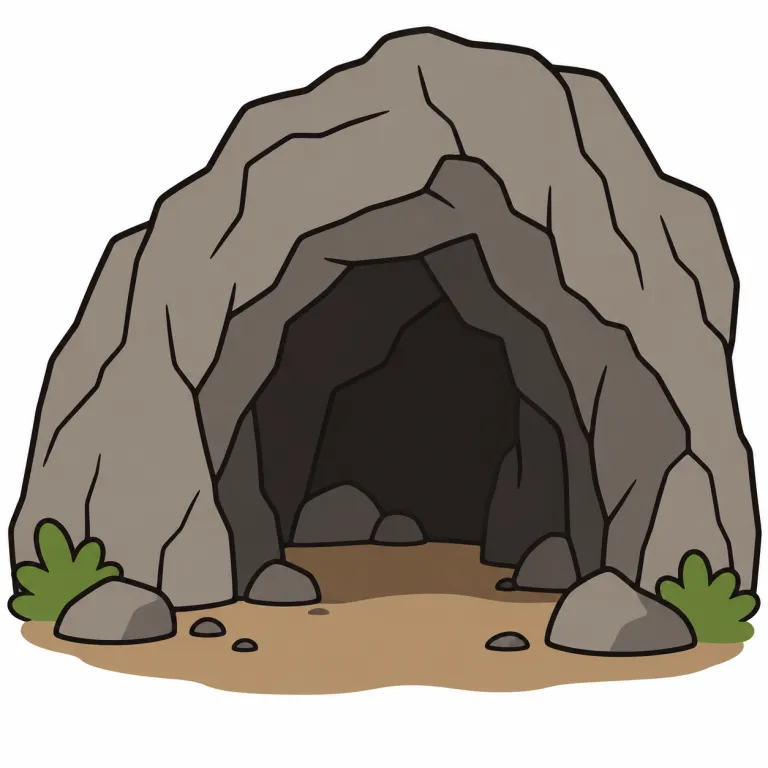
洞窟
解説 Definition
スペイン語で「洞窟」を意味する語です。英語の文章でも現地の呼称として使われたり、特定の洞窟や遺跡の名前の一部として現れたりします。
The Spanish word for a cave or cavern, sometimes retained in English-language writing about Spanish-speaking places, archaeology, or local geography. It also appears as part of proper names for particular caves and sites.
使い方 Usage
- Cueva de las Manos のように固有名の一部になるときは、大文字で始めます。 Capitalize Cueva when it forms part of a proper name, as in Cueva de las Manos.
覚え方のコツ Memory Tip
英語の cave や cavity と結び付け、内部が空いた空間を思い浮かべましょう。スペイン語の洞窟名に出会う場面と一緒に覚えると便利です。
Link cueva with cave and cavity, and picture a hollow space. Remember encountering it in Spanish names for caves.
例文
The cueva contained evidence of prehistoric human habitation.
その洞窟には、先史時代に人が住んでいた証拠が残されていた。
cueva の類義語・関連語
cueva の語源・成り立ち Etymology
スペイン語で「洞窟」。ラテン語 cova(くぼみ、空洞)から派生し、さらに cavus(中空の)に遡る。関連語:cave(洞窟)、cavity(空洞)。「中が空っぽ」というイメージが洞窟の意味につながった。
Spanish cueva developed from Latin forms associated with cova, meaning a hollow or cavity, and ultimately with Latin cavus, “hollow.” This historical connection places it in the same broad word family as English cave and cavity, which also express the idea of an empty or hollow interior. In modern Spanish, cueva is the standard everyday word for a natural underground chamber or cave.
同じレベルの語彙をもっと
外部辞書で調べる
この英単語をクイズで覚えよう