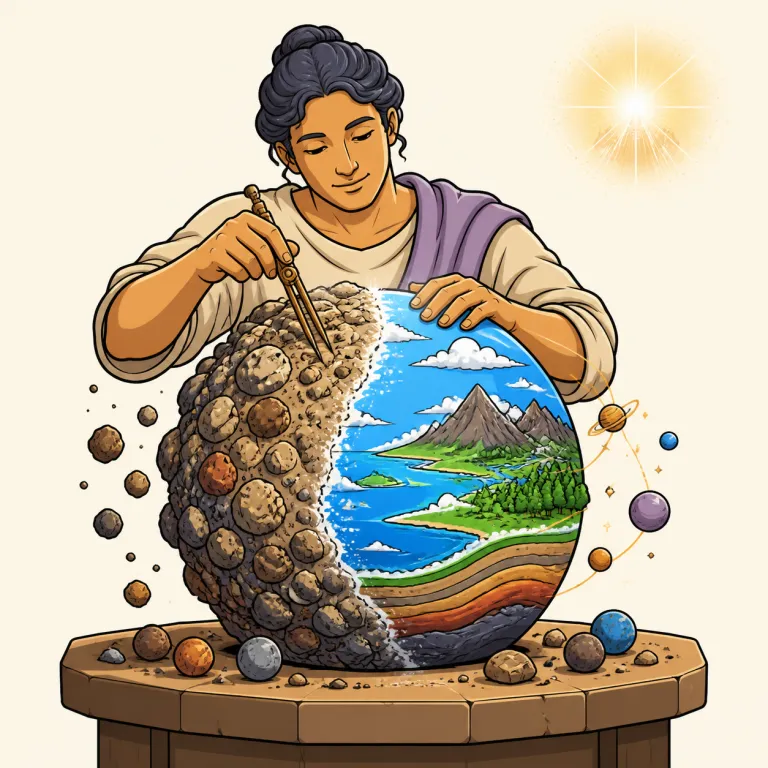
創造者、世界の構築者
noun 名詞文学・芸術批評などで、作品や独自の世界を構想して形作る強力な創造者を比喩的に指す。作家、芸術家、思想家などを、単なる作者ではなく創造世界を支配する存在として捉える表現である。
プラトン哲学やグノーシス主義で語られる、物質世界を形作った創造者を指す語。唯一絶対の神そのものではなく、宇宙や世界を秩序立てて作り上げる職人的・媒介的な存在として説明されることが多く、宗教哲学の文脈で使われる。
A demiurge is a being that creates or shapes the physical world, especially in philosophy or religious thought. The word is mainly used in discussions of ancient ideas and does not usually mean a god in the ordinary sense.
まず「絶対神」ではなく「世界を設計・成形する職人的な創造者」とセットで覚えると定着しやすい語です。creator よりも architect や craftsman に近い像を思い浮かべるのがコツ。哲学・宗教思想では Platonic demiurge, the demiurge shaped the material world のように現れ、無から全部を生む神というより、既存の素材に秩序を与えて宇宙を組み立てる媒介者というニュアンスが強いです。つづりは urge に見えても、感情の urge とは別物だと切り分けると混同しません。
Remember `demiurge` as a maker more like an architect or craftsman than an all-powerful God. It often appears in philosophy, especially in phrases like `the Platonic demiurge`, shaping the material world into order. The ending looks like `urge`, but it has nothing to do with a strong feeling or desire.
In Platonic philosophy, the demiurge is responsible for creating the material world.
プラトン哲学では、デミウルゴスは物質世界を創造する存在とされる。
The demiurge differs from the supreme deity in Gnostic theology.
グノーシス神学では、デミウルゴスは最高神とは別の存在である。
Plato described the demiurge as a cosmic artisan crafting the universe.
プラトンはデミウルゴスを、宇宙を作り上げる職人のような存在として描いた。
文脈によって、次の意味でも使われます。
文学・芸術批評などで、作品や独自の世界を構想して形作る強力な創造者を比喩的に指す。作家、芸術家、思想家などを、単なる作者ではなく創造世界を支配する存在として捉える表現である。
demiurge はギリシャ語 dēmiourgos に由来し、dēmos「民衆」+ergon「仕事」から成ります。related energy, ergonomic。もとは『公共のために働く職人』で、そこから世界を形づくる『造物主』へ広がったとわかると意味がつながります。
Demiurge comes from Greek dēmiourgos, made from dēmos "people" and ergon "work." At first it meant a worker or craftsman who did public work for the community. Later, in Greek philosophy, it came to mean a maker of the world or a divine creator. Related English words from the same root include energy and ergonomic.
この英単語をクイズで覚えよう