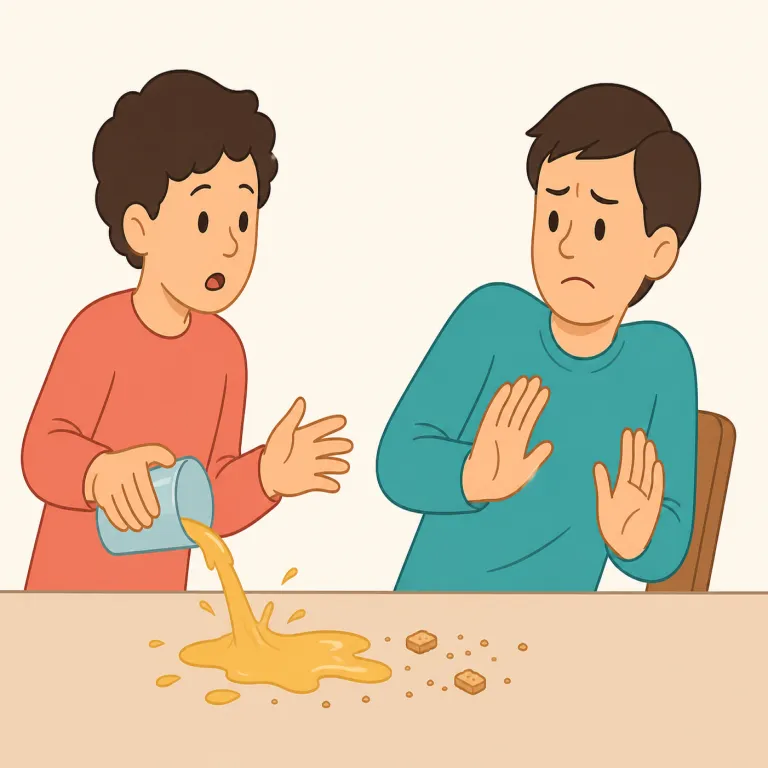
不快にさせる
解説 Definition
誰かを怒らせたり、不快にしたりすること。相手の気持ちを傷つけたり不満を与える。
To displease someone means to make them feel annoyed, unhappy, or not satisfied. It is a fairly formal word and is often used for actions, results, or behavior that cause mild to moderate negative feelings.
覚え方のコツ Memory Tip
please が「喜ばせる」なら、dis- が付いた displease はまず「喜ばせない」と捉えると覚えやすいです。そこから一歩進んで、「相手をがっかりさせる・不満にさせる・不快にさせる」という意味に広がります。annoy よりやや硬く、感情を爆発させるより「気に入られない」感じ。This decision may displease customers. のように、人を主語にせず物事が人を不快にさせる形でもよく出ます。displeased は形容詞で「不機嫌な」にもなるので一緒に押さえると定着します。
If `please` means make someone happy, `displease` is the opposite direction. The prefix `dis-` is a useful memory hook for not pleasing or causing a negative reaction. You will often see it with things, not people, as in a decision or change that may displease customers.
例文
His rude comments would displease most people.
彼の無礼なコメントはほとんどの人を不快にするだろう。
The sudden change in policy will displease many employees.
突然の方針変更は、多くの従業員を不快にさせるだろう。
She tried not to displease her boss with her unconventional ideas.
彼女は型破りなアイデアで上司を不快にさせないよう努めた。
displease の類義語・関連語
displease の語源・成り立ち Etymology
displease は接頭辞 dis-「反対・否定」+ please から成り、古フランス語 desplaisir、さらにラテン語 displicere「気に入らない」に由来します。関連語は please, pleasure。文字どおり「喜ばせない」なので「不快にさせる」です。
Displease is built from dis- and please. It came into English through Old French desplaisir, from Latin displicere, literally "not to please." The form shows a simple shift from "fail to give pleasure" to the stronger idea of causing annoyance or dissatisfaction. Related words include please and pleasure.
同じレベルの語彙をもっと
外部辞書で調べる
この英単語をクイズで覚えよう