annoy
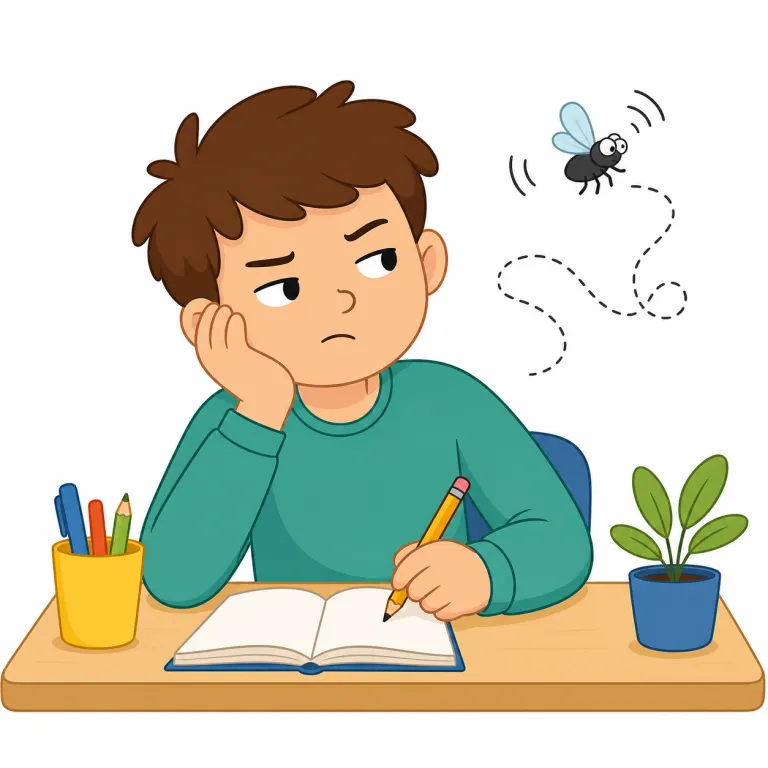
annoy は英検準2級・TOEIC 600レベルの英単語で、「イライラさせる」という意味があります。発音記号は /əˈnɔɪ/ です。
イライラさせる
解説 Definition
いらいらさせるとは、人を不快にさせたり、苛立ちを感じさせたりすることを意味します。繰り返される行動や音など、小さなことが原因となることが多いです。
To annoy someone means to make them feel slightly angry, irritated, or uncomfortable. It is used for repeated small problems or behavior that bothers a person.
覚え方のコツ Memory Tip
annoy は「怒らせる」より、「小さな不快が続いてイラッとさせる」と捉えると覚えやすい語。angry ほど強くなく、bother よりも“神経にさわる”感じが出る。annoying noise、annoy your neighbors、be annoyed with/by ... の形をまとめて覚えると定着しやすい。人にも物事にも使え、騒音・しつこい言動・待たされる場面を思い浮かべると意味がぶれにくい。
`Annoy` is useful for small but repeated irritation, not full anger. That makes it easier to separate from stronger words like `anger`. Remember common patterns such as `annoying noise` and `be annoyed with/by someone`.
例文
It annoys me when people talk loudly on their phones in public.
公共の場で大声で電話をしている人を見るといらいらする。
His constant interruptions really annoy the rest of the team.
彼が絶えず口を挟むことは、チームの他のメンバーを本当にいらいらさせる。
Don't annoy your sister while she is studying for her exams.
妹が試験勉強をしているときは、邪魔をしてイライラさせないでください。
えいたんごクイズでの正答率
この語をはじめて出題された 46人 のうち 36人 が正解しました(78%)。
えいたんごクイズの回答から集計した独自データです。1人につき最初に出題されたときの1回だけを数えており、復習や2回目以降の回答、「わからない」と時間切れは含みません。 集計時点は 2026年9月19日 です。
annoy の類義語・関連語
annoy の語源・成り立ち Etymology
古フランス語 anoier を経て、俗ラテン語 inodiare「嫌われるようにする」にさかのぼり、核にはラテン語 odium「憎しみ」があります。odious や ennui と近い系統で、「いやな気分にさせる」から「イライラさせる」へ意味が伸びました。
Annoy came through Old French anoier from Late Latin inodiare, meaning "to make hateful," from Latin odium, "hatred." It is related in background to words like odious and also to French-derived ennui. The meaning shifted from causing dislike or disgust to the modern sense of bothering or irritating someone.
同じレベルの語彙をもっと
英検準2級の一覧へ →外部辞書で調べる
この英単語をクイズで覚えよう