amuse
amuse は英検2級・TOEIC 860・TOEFL 80・IELTS 6.5レベルの英単語で、「楽しませる」という意味があります。発音記号は /əˈmjuːz/ です。
楽しませる
解説 Definition
他者を笑わせたり、楽しませたり、または娯楽を与えることを表す動詞です。人を喜ばせたり、退屈から気をそらす目的で行われる行為を意味します。
To amuse someone means to make them laugh or feel entertained. It is often used for jokes, stories, games, or behavior that gives light pleasure rather than deep excitement.
覚え方のコツ Memory Tip
amuse は「笑わせる」だけでなく、相手を退屈させず楽しい気分にする動詞。entertain より軽く、ちょっと面白がらせる場面を思い浮かべると定着しやすい。amusing は「おもしろいもの」、amused は「楽しんでいる人」で向きが逆なので必ず対で記憶。be amused by a joke, amuse children / guests, amusement park までまとめると、語形と使い方が一気につながる。
Link `amuse` with the family `amusing`, `amused`, and `amusement park`. `Amusing` describes the thing, while `amused` describes the person, so that contrast makes the verb easier to remember. Think of `amuse children` or `be amused by a joke`: it is lighter than `entertain` and often means making someone pleasantly interested or smiling.
例文
The comedian's jokes amused the audience throughout the evening.
その芸人のジョークはその晩ずっと観客を楽しませました。
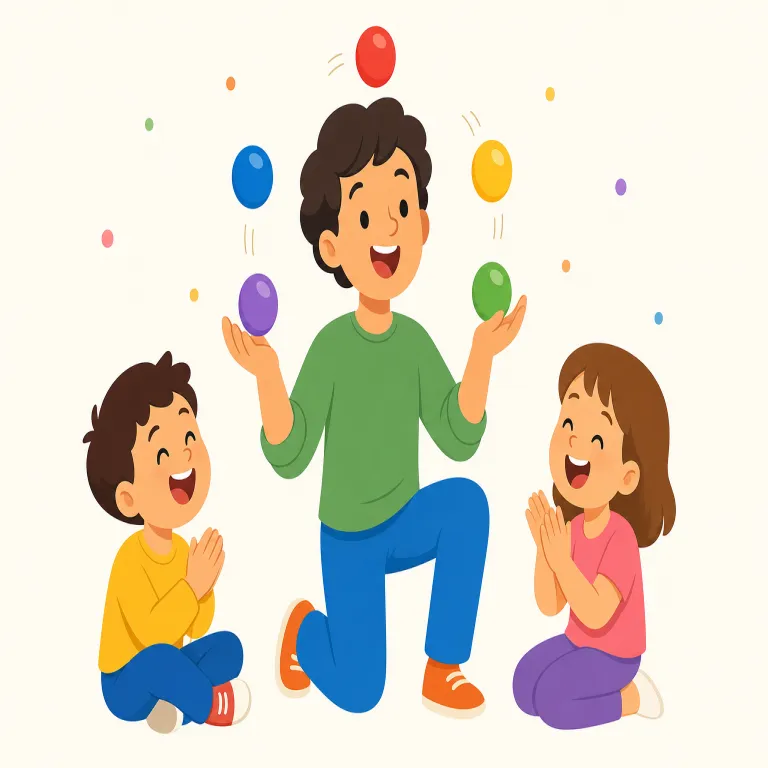
The magician's tricks amused the children at the birthday party.
その奇術師のトリックは誕生日パーティーで子どもたちを楽しませました。
We spent the afternoon amusing ourselves with board games.
私たちはボードゲームで楽しみながら午後を過ごしました。
amuse の類義語・関連語
amuse の語源・成り立ち Etymology
amuse は古フランス語 amuser に由来し、a- + muser「ぼんやり眺める・物思いにふける」と考えられます。もとは相手の注意を引き留める感じで、そこから「楽しませる」へ発展しました。muse や bemuse も近縁で、心を遊ばせる感覚が残ります。
Amuse comes from Old French amuser. It is usually linked to a- and muser, meaning to stare, linger, or think dreamily. The earlier sense was closer to holding someone's attention or keeping them occupied, and from there it developed into "entertaining" someone. Related words include muse and bemuse.
同じレベルの語彙をもっと
英検2級の一覧へ →外部辞書で調べる
この英単語をクイズで覚えよう