amusing
面白い
解説 Definition
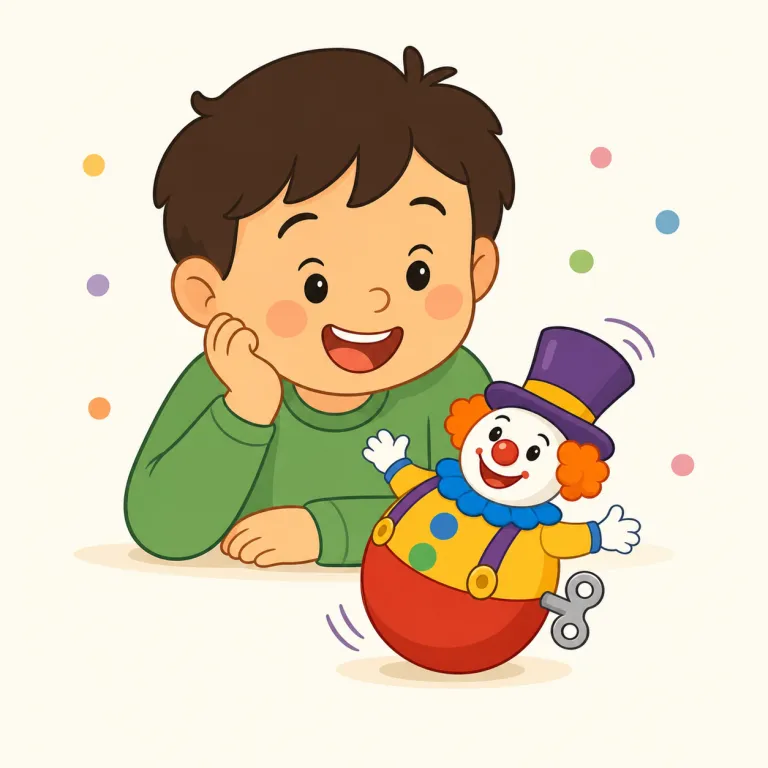
面白いとは、人を笑わせたり、興味深い感情や楽しい気持ちを起こさせることです。ユーモアがあり、退屈でない状態を表します。
If something is amusing, it makes you laugh or smile because it is funny or entertaining. It is often used for stories, comments, situations, or people. The word suggests light, pleasant humor rather than something extremely funny.
覚え方のコツ Memory Tip
amuse を知っていれば、「人を楽しませる性質がある」→ amusing とつながります。語尾の -ing は『そうさせる側』で、amused が『楽しんでいる側』なのと対比すると定着しやすいです。funny ははっきり笑える、interesting は知的に興味深い、amusing はその中間で『くすっと面白い』『見ていて退屈しない』感じ。an amusing story / remark / incident のように、話・発言・出来事によく付き、『爆笑』ほど強くない点も一緒に覚えると使い分けやすいです。
Link it to amuse. The ending -ing often shows something that causes a feeling, so amusing causes amusement, while amused describes the person who feels it. Think of an amusing story or an amusing remark: it is lightly funny, not always laugh-out-loud funny. That contrast makes it easier to keep apart from funny and amused.
例文
His amusing joke made everyone laugh.
彼の面白い冗談にみんなが笑いました。
Her amusing school stories always made her friends laugh.
彼女の面白い学校の話はいつも友達を笑わせました。
The amusing movie made us forget our worries.
その面白い映画を見て、私たちは心配事を忘れました。
えいたんごクイズでの正答率
この語をはじめて出題された 55人 のうち 51人 が正解しました(93%)。
えいたんごクイズの回答から集計した独自データです。1人につき最初に出題されたときの1回だけを数えており、復習や2回目以降の回答、「わからない」と時間切れは含みません。 集計時点は 2026年9月19日 です。
amusing の類義語・関連語
amusing の語源・成り立ち Etymology
amusing は amuse の現在分詞形で、古フランス語 amuser「気をそらす、ぼんやりさせる」に由来します。a- は「〜へ」、muse は「思いにふける」で、もとは“注意を別へ向ける”ことから「楽しませる」へ発展し、amusement や bemuse と合わせると腑に落ちます。
Amusing comes from amuse, with the -ing form used as an adjective. Amuse came from Old French amuser, which originally meant to distract or make someone stare or daydream. Its sense shifted from turning the mind away to keeping someone pleasantly occupied, and then to entertaining them. Related words include amusement and bemuse.
同じレベルの語彙をもっと
外部辞書で調べる
この英単語をクイズで覚えよう