muse
muse は英検1級レベルの英単語で、「創作の着想源、霊感を与える人・もの、思案する」という意味があります。発音記号は /mjuːz/ です。
意味一覧 (2件)
創作の着想源、霊感を与える人・もの
解説 Definition
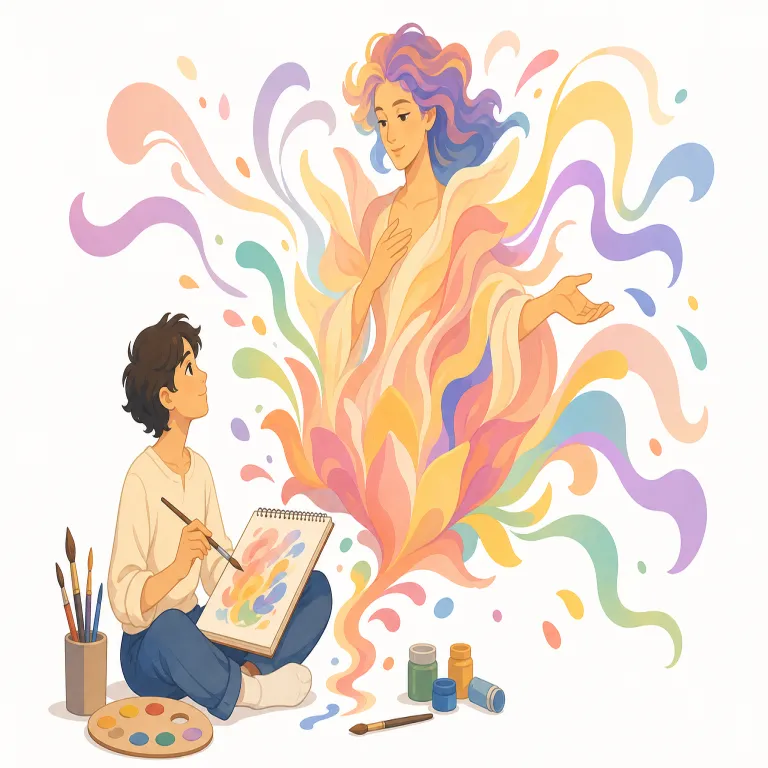
芸術家や作家などに創作の着想や霊感を与える人・ものを指す名詞。もともとはギリシャ神話の文芸を司る女神を表す語で、現代では作品の発想源や創造力を刺激する存在という意味で広く使われる。
A muse is a person, idea, or thing that gives an artist, writer, or other creative person inspiration. It is often used when talking about the source of new ideas in art, music, or literature. The word can refer to a real person or something more abstract.
覚え方のコツ Memory Tip
inspiration が「ひらめきそのもの」なら、muse はそのひらめきを呼び起こす「源」と覚えると整理しやすいです。人にも物にも使えますが、ただ好きな相手ではなく、作品を生み出す力を刺激する存在という含みが強め。a poet's muse, serve as her muse の形で覚えると定着します。amuse, bemuse を見たときも、中心の muse に「心を向ける」感覚があるとまとめて記憶しやすいです。
Think of `inspiration` as the idea itself, and a `muse` as the source that brings that idea out. It is often a person, but it can also be a thing, image, or place. Remember common pairs like `a poet's muse` or `serve as her muse`.
例文
The painter described the countryside as her muse.
その画家は田園風景を自分の創作の源だと表現した。
The dancer became his muse for a new dance.
そのダンサーは彼の新しいダンスの着想源になった。
The quiet café was a muse for many writers.
その静かな喫茶店は多くの作家の創作の源だった。
えいたんごクイズでの正答率
この語をはじめて出題された 58人 のうち 46人 が正解しました(79%)。
えいたんごクイズの回答から集計した独自データです。1人につき最初に出題されたときの1回だけを数えており、復習や2回目以降の回答、「わからない」と時間切れは含みません。 集計時点は 2026年9月19日 です。
思案する
(意味 2)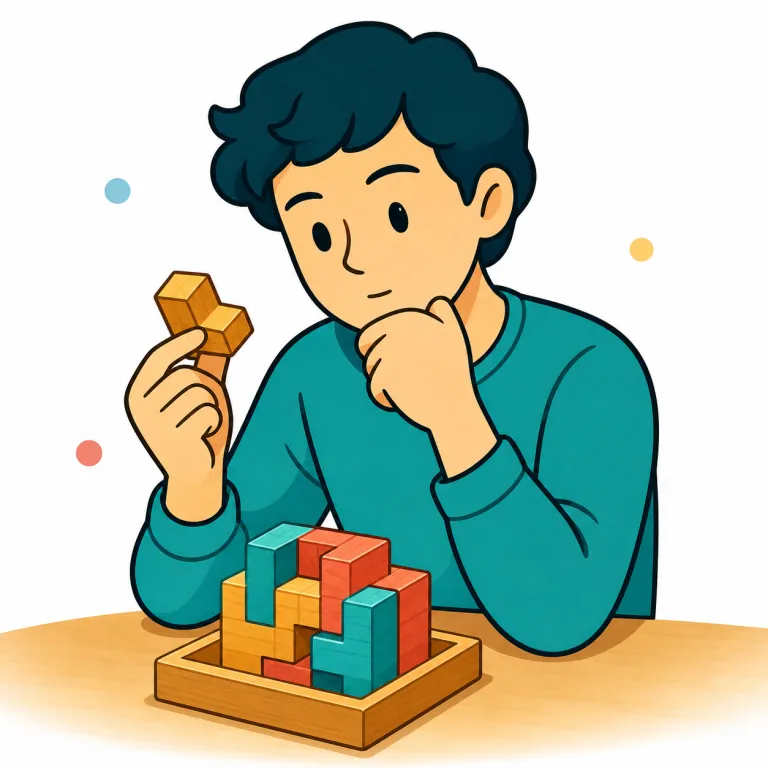
解説 Definition
何かについて静かに考え込み、答えや意味を探ることを表します。すぐ結論を出すというより、時間をかけて思いを巡らせる場面でよく使われます。文章では独り言のように考える響きもあります。
This means to think quietly and deeply about something without rushing to a conclusion. It often has a literary tone and can suggest privately turning an idea over in one's mind.
覚え方のコツ Memory Tip
muse は名詞の「ミューズ」ではなく、動詞では「静かに思案する」と切り分けると覚えやすいです。窓辺でぼんやり考え込む人が、答えを急がず心の中で何度も考えを巡らせている場面を結びつけましょう。think より文学的で、ponder に近く、独り言のように考える響きがあります。muse about the future, muse on a question の形で覚えると、創作の源ではなく「物思いにふける」語義として残ります。
For the verb, picture someone sitting by a window and slowly considering a question. It is more literary than think and is often used in patterns such as muse about the future or muse on a problem.
例文
She sat by the window, musing about her future.
彼女は窓辺に座り、自分の将来について思案していた。
He mused on the question for a long time before answering.
彼は答える前に、その問いについて長く思案した。
I often muse over small decisions more than I should.
私は小さな決断について必要以上に思案することがよくある。
muse の類義語・関連語
muse の語源・成り立ち Etymology
muse には二系統あり、熟考する意味の muse は古フランス語 muser 由来で、口を開けてぼんやりする感覚から「物思いにふける」へ進みました。なお名詞の「芸術の女神・創作の源」は別語源でギリシャ語 Mousa。関連語に amuse, bemuse。
This noun has two different origins in English. The sense of deep thought comes from Old French muser, which first suggested staring or wasting time with an open mouth, then developed into "thinking deeply." The artistic sense, meaning a source of inspiration, comes separately from Greek Mousa; related English words include amuse and bemuse from the French line.
同じレベルの語彙をもっと
英検1級の一覧へ →外部辞書で調べる
この英単語をクイズで覚えよう