evacuate
evacuate は英検準1級・TOEIC 860・TOEFL 80・IELTS 6.5レベルの英単語で、「避難する、空にする、避難させる」という意味があります。発音記号は /ɪˈvækjəˌweɪt/ です。
意味一覧 (3件)
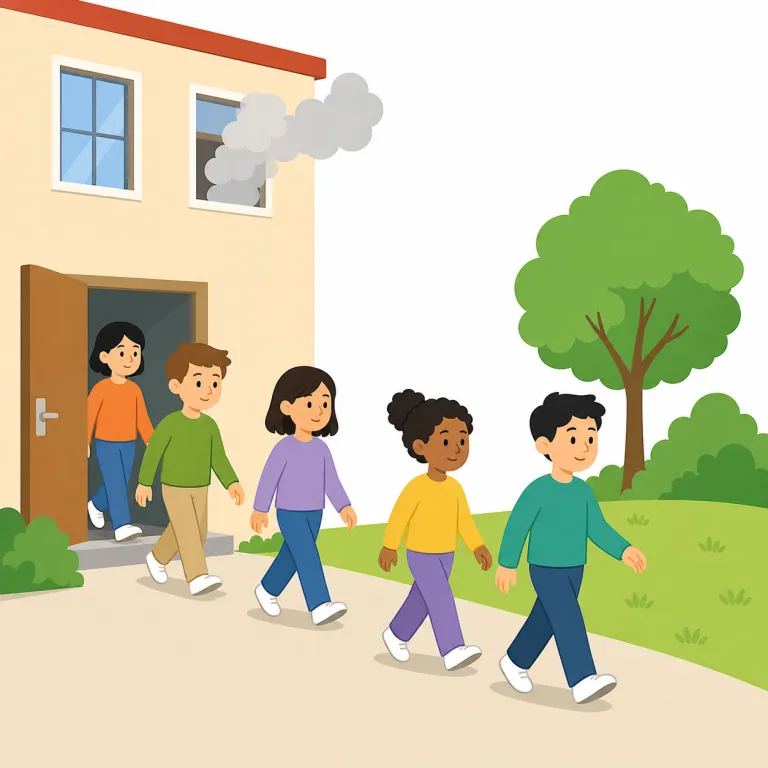
避難する
解説 Definition
危険や災害を避けるために、自ら建物や地域を離れて安全な場所へ移動することを表す。人などを目的語に取る「避難させる」用法ではなく、避難する人を主語にする自動詞用法である。
To evacuate means to leave a dangerous place or move people out of it for safety. It is often used during fires, wars, floods, or other emergencies. The word can describe both people leaving and officials clearing an area.
覚え方のコツ Memory Tip
危険な場所から自分たちが外へ出る場面を思い浮かべ、evacuate=「避難する」と結び付けると覚えやすいです。Residents evacuated. なら「住民が避難した」、evacuate to a shelter なら「避難所へ避難する」です。この語義では、避難する人が主語になることを目印にしましょう。
Connect it to `vacant` or `vacuum`, which both suggest emptiness. `Evacuate` gives the image of moving people out so a place becomes empty and safe. Remember common news phrases like `evacuate the building` or `evacuate residents`.
例文
Everyone evacuated when the fire alarm sounded.
火災警報が鳴ると、全員が避難しました。
Residents evacuated to safe shelters before the hurricane.
住民はハリケーンが来る前に安全な避難所へ避難しました。
We evacuated through the emergency exit after smelling smoke.
煙のにおいがしたため、私たちは非常口から避難しました。
えいたんごクイズでの正答率
この語をはじめて出題された 56人 のうち 44人 が正解しました(79%)。
えいたんごクイズの回答から集計した独自データです。1人につき最初に出題されたときの1回だけを数えており、復習や2回目以降の回答、「わからない」と時間切れは含みません。 集計時点は 2026年9月19日 です。
空にする
(意味 2)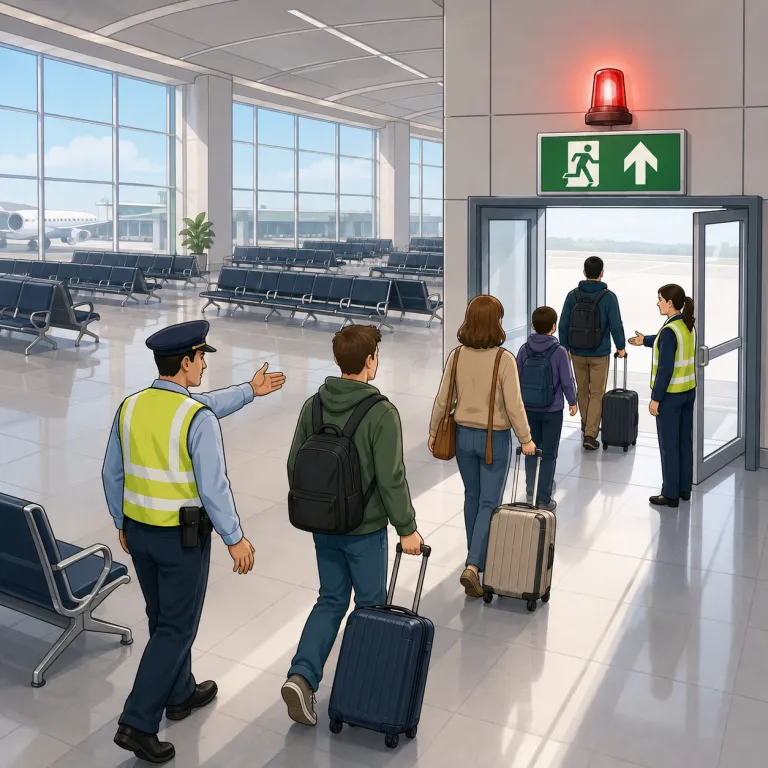
解説 Definition
建物や地域から人を退去させ、その場所を空の状態にすることを表す。空港、学校、村、ビルなど、場所そのものを目的語に取るのが特徴。火災、不審物、災害などへの緊急対応で、一時的に立ち入りをなくす文脈でよく使われる。
To empty a building or area by getting the people inside to leave. The place is the verb's object, usually in an emergency such as a fire or security threat.
覚え方のコツ Memory Tip
vacant(空いている)や vacuum(真空)を知っていると、vac- に「空っぽ」の感覚を持てます。evacuate はそこに e-/ex- の「外へ」が重なり、「中の人を外へ出して、その場所を空にする」→「避難させる」とつなげると覚えやすいです。ニュースや館内放送では evacuate the building, evacuate residents, evacuate the area の形が頻出。escape は本人が逃げる動き、evacuate は人を安全な所へ移す・退避させる場面でも使う、と区別すると定着します。
Connect vac- with vacant and picture a building becoming empty as everyone leaves. Learn evacuate the building and evacuate the area to remember that this sense takes a place as its object.
例文
The airport evacuated Terminal 2 after a security threat.
保安上の脅威を受けて、空港は第2ターミナルを空にした。
The company evacuated the office building when smoke filled the hallway.
煙が廊下に広がると、会社はオフィスビルを空にした。
Police evacuated the stadium in less than ten minutes.
警察は10分足らずで競技場を空にした。
避難させる
(意味 3)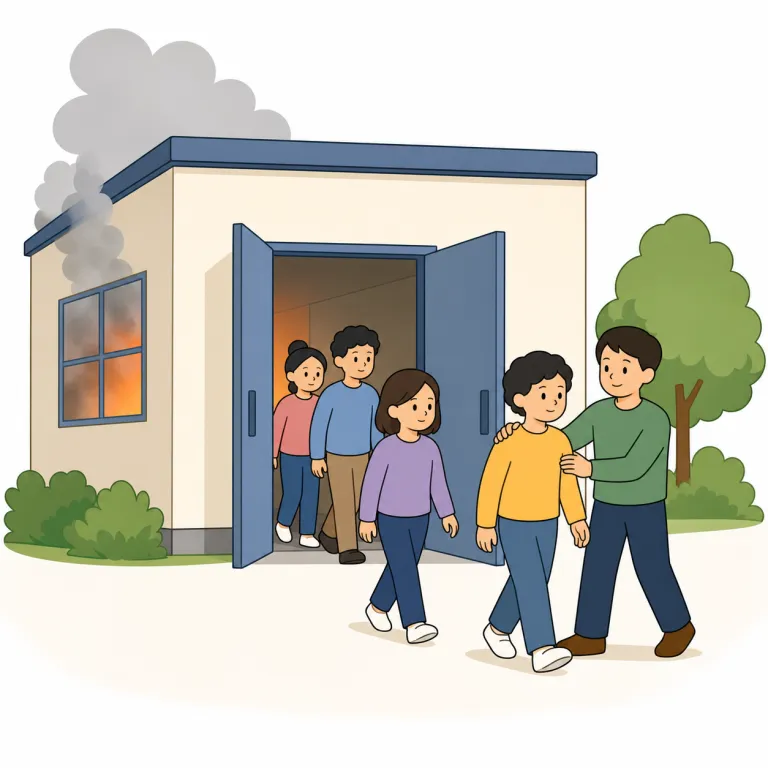
解説 Definition
危険が迫る場所から、人々を安全な場所へ移動させることを表す。他動詞として、住民・乗客・患者など人を目的語に取ることが多い。災害や事故、脅威への対応で、公的機関や現場責任者が指示して行う場面でよく使われる。
To move people away from a dangerous place to somewhere safe. It often describes an organized response to a disaster, accident, or threat, with the people being moved as the verb's object.
例文
The police evacuated the residents before the wildfire reached the town.
警察は山火事が町に達する前に住民を避難させた。
The crew evacuated all passengers from the burning bus.
乗務員は燃えているバスから乗客全員を避難させた。
Doctors evacuated the patients to a nearby clinic after the power failed.
停電後、医師たちは患者を近くの診療所へ避難させた。
evacuate の類義語・関連語
evacuate の語源・成り立ち Etymology
evacuate はラテン語 evacuare「空にする」からで、ex-「外へ」+ vacuus「空の」が土台です。vacuum や vacancy も同根。もとは体内のものを出す医療語でしたが、そこから場所を空にする、さらに人を安全な所へ移す「避難する」へ広がりました。
Evacuate comes from Latin evacuare, meaning "to empty out," from e- or ex- "out" and vacuus "empty." It first appeared in medical use for removing contents from the body. Later it was used for emptying places, and then for moving people out to safety so a place becomes empty. Related words include vacuum and vacancy.
同じレベルの語彙をもっと
英検準1級の一覧へ →外部辞書で調べる
この英単語をクイズで覚えよう