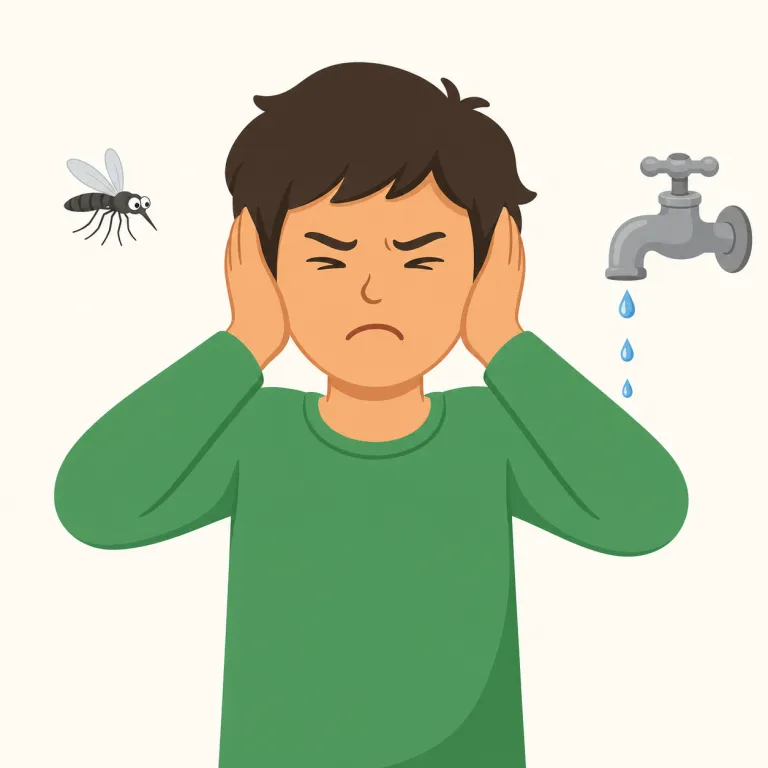
annoying
迷惑な
解説 Definition
迷惑をかける、邪魔をする、または不快な感情を引き起こす状態です。相手を困らせたり不愉快にさせたりすることを意味します。
Annoying describes something or someone that causes slight anger, frustration, or irritation. It is commonly used for repeated actions, noises, habits, or situations. It is a common everyday word and is less strong than words like unbearable.
覚え方のコツ Memory Tip
annoying はまず annoy「イラッとさせる」を核に覚える。-ing が付くと「その感情を起こさせるもの」になり、annoyed は「イラッとしている人・状態」なので、an annoying person と I’m annoyed を対で押さえると混同しにくい。意味の強さは furious のような激怒ではなく、音・癖・遅れ・反復などがじわじわ神経に触れて「うっとうしい」と感じる日常的ストレス。an annoying noise / habit / delay の形でまとめて覚えると定着しやすい。
Build it from `annoy`, and remember that `-ing` means something causes the feeling. So `annoying` describes the thing, while `annoyed` describes the person who feels it. Think of everyday collocations like `annoying noise`, `annoying habit`, or `annoying delay`.
例文
This noise is annoying.
この音は迷惑です。
That loud phone is annoying.
あの大きな電話の音は迷惑です。
His long talk is annoying.
彼の長話はうっとうしいです。
annoying の類義語・関連語
類義語
対義語
annoying の語源・成り立ち Etymology
annoying は annoy に形容詞的な -ing が付いた語です。annoy は古フランス語 anuier を経て、俗ラテン語 inodiare「嫌わせる」にさかのぼり、もともと「相手に嫌な思いをさせる」感覚です。関連語は annoyance、odious。
"Annoying" is formed from "annoy" with the adjective ending "-ing." "Annoy" came through Old French "anuier" and goes back to Late Latin "inodiare," meaning "to make hateful" or "to cause dislike." The idea shifted from making someone feel dislike to causing irritation. Related English words include "annoyance" and "odious."
同じレベルの語彙をもっと
外部辞書で調べる
この英単語をクイズで覚えよう