意味一覧 (3件)
困らせる
解説 Definition
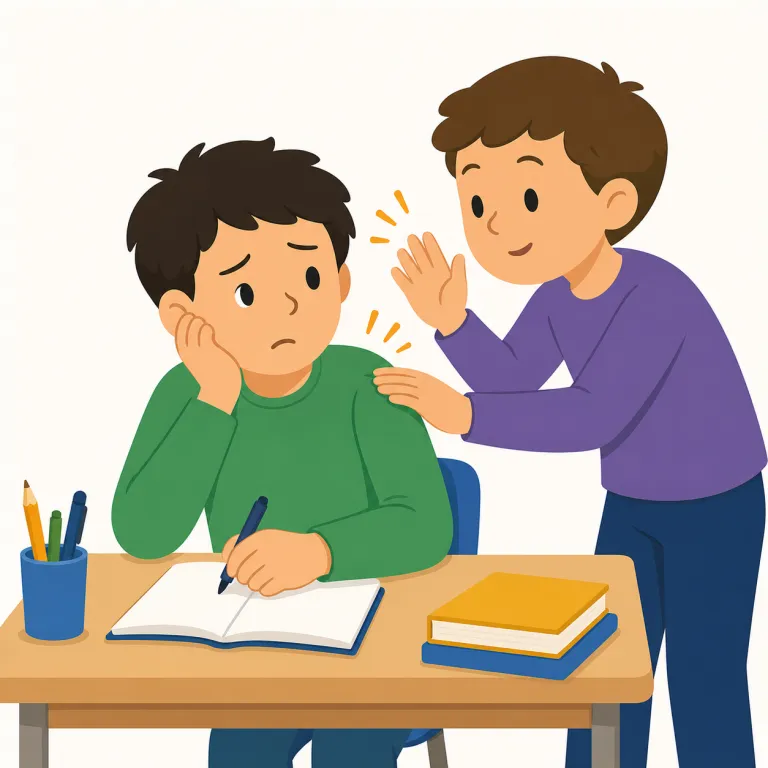
人や物事が相手に迷惑や不快感、心配を与えて落ち着かなくさせるときの動詞。騒音や人の言動が困らせる場合にも、気がかりが頭から離れず悩ませる場合にも使う。軽い迷惑から継続的な心配まで幅広く表せる。
To cause someone annoyance, discomfort, or worry. It can describe either a small immediate irritation or a concern that continues to trouble someone.
覚え方のコツ Memory Tip
bother は「手間・面倒」を感じる場面とセットで覚えると定着しやすい語。まず That bothers me. の「それ、気になる/わずらわしい」という感覚を押さえると、bother to do は「その面倒を引き受けてまで〜する」→「わざわざ〜する」と自然につながる。Don't bother. は「そこまでしなくていい」。trouble to do に近いが、bother のほうが“面倒くささ”が前面に出る。
Remember “That bothers me” as meaning that something feels annoying or remains on your mind. This sense focuses on the person or thing causing discomfort, while “bother to do” means making the effort to do something.
例文
The loud music next door bothered me all night.
隣の大音量の音楽に一晩中悩まされた。
It bothers her that he never calls.
彼がまったく電話してこないことが彼女を悩ませている。
Does the smoke bother you?
その煙は気になりますか。
わざわざ〜する
(意味 2)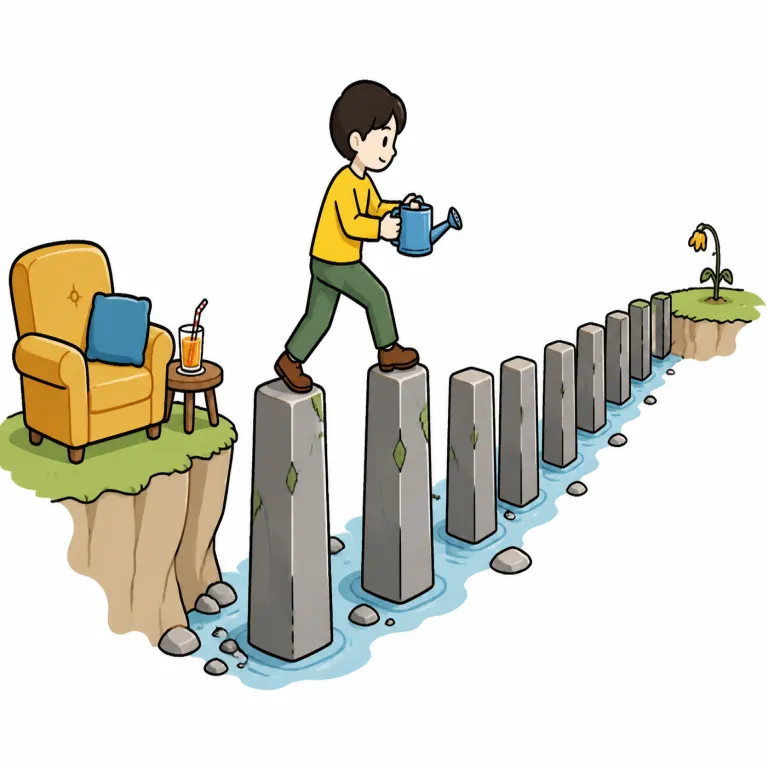
解説 Definition
bother は、面倒だったり手間がかかったりしても、あえて何かをするという意味で使われます。とくに bother to do の形で、普通ならしなくてもよいことを、時間や労力をかけてする気になるかどうかを表します。
To bother to do something means to make the effort or take the time to do it. It is often used when the action feels small, unnecessary, or not worth the trouble. This meaning is common in phrases like "bother to" followed by a verb.
例文
She bothered to reply to my email.
彼女はわざわざ私のメールに返信してくれた。
I won't bother to explain it again if you don't listen carefully.
きちんと聞かないなら、わざわざもう一度説明するつもりはない。
She bothered to learn Japanese even though it was difficult.
彼女は難しいのに、わざわざ日本語を学んだ。
面倒、厄介
(意味 3)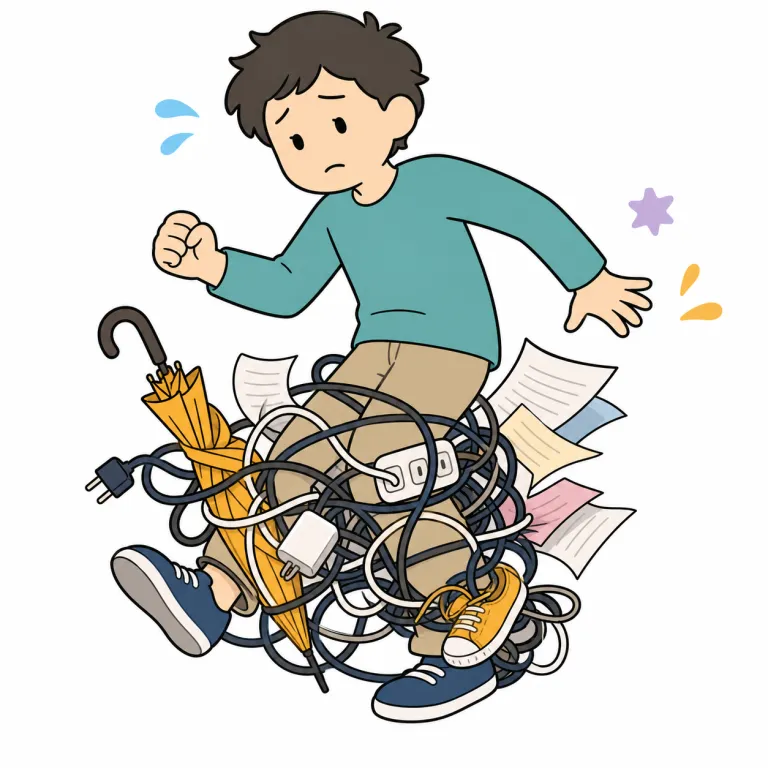
解説 Definition
手間がかかったり気分をわずらわせたりする面倒な事柄を指す名詞。日常会話では、書類作成や移動のような小さな厄介ごとについて a bother と言うことが多い。深刻な大問題というより、わずらわしく感じる不便さを表す。
A situation or task that causes inconvenience, extra effort, or mild annoyance. It usually refers to an everyday difficulty rather than a serious problem.
例文
Sorry for the bother.
面倒をかけてすみません。
Filling out the form was a real bother.
その書類に記入するのは本当に面倒だった。
I don't want to cause you any bother.
あなたに面倒をかけたくありません。
bother の類義語・関連語
bother の語源・成り立ち Etymology
アイルランド語 bodhar(耳が聞こえない、悩ます)が英語に入った語。17世紀にアイルランド英語で「困らせる」の意味で広まり、やがて「わざわざ手間をかける」という意味にも発展した。関連語: bother自体が独立した語源で、派生語にbothersome(面倒な)がある。
The origin of the word is uncertain. One proposed derivation connects it with Irish bodhar, meaning “deaf”; in English, the word came to mean causing trouble and later also making an effort to do something.
同じレベルの語彙をもっと
外部辞書で調べる
この英単語をクイズで覚えよう