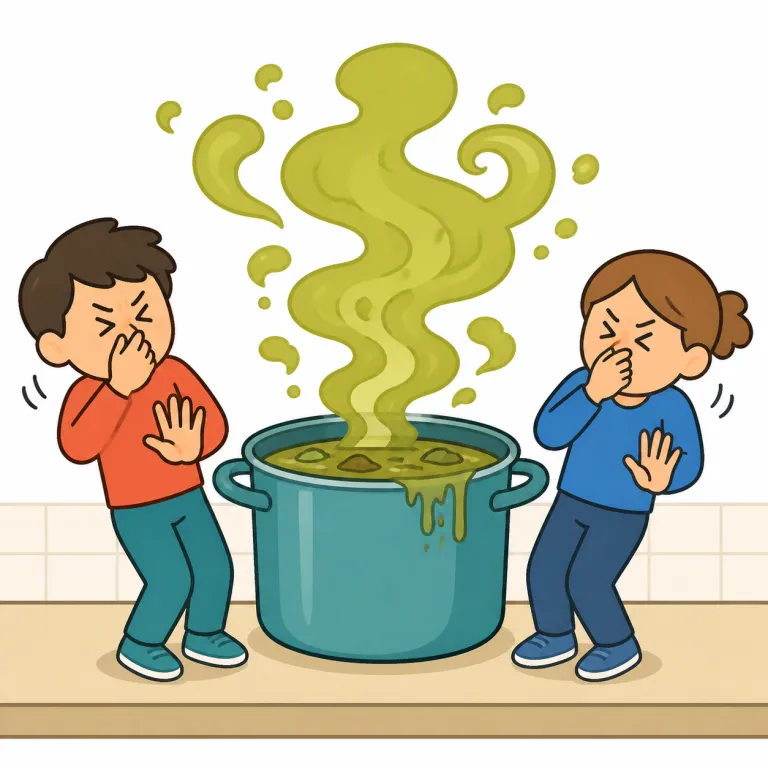
不快な
解説 Definition
人を不快にさせたり、不愉快な感覚を引き起こす。気に入らない、または好ましくない状態や事柄を表す。
Displeasing means causing dissatisfaction, annoyance, or discomfort. It can describe something unpleasant in appearance, sound, behavior, or result. The word is fairly formal and is often used in careful or polite criticism.
覚え方のコツ Memory Tip
displeasing は please「喜ばせる」が見えていれば覚えやすい語です。dis- が付くと意味が反対方向に倒れ、「喜ばせない」→「不快な・気に入らない」。pleasant / pleasing が快い側、displeasing はその逆と対で押さえると残りやすいです。さらに -ing 形は「その性質を与える側」と考えると、a displeasing smell は「人を不快にするにおい」。disappointed が『人ががっかりしている』状態なのに対し、displeasing は『不快さを起こすもの』を表す点を区別すると混同しにくくなります。
If you know `please` and `pleasing`, this word is easy: `dis-` pushes it in the opposite direction. So `displeasing` is something that does not please, or gives a bad feeling. Compare `a pleasing sound` with `a displeasing smell` to lock in the contrast.
例文
The displeasing smell from the kitchen made everyone uncomfortable.
台所から漂う嫌な臭いで、皆が不快になった。
Her displeasing tone of voice upset the entire audience.
彼女の不愉快な口調に、聴衆は皆気分を害した。
The displeasing results of the exam disappointed the students.
試験の不愉快な結果は、学生たちを失望させた。
displeasing の類義語・関連語
displeasing の語源・成り立ち Etymology
displeasing は displease に -ing が付いた形で、dis-「反対・否定」+ please から成る。please は古フランス語 plaisir、さらにラテン語 placere「気に入る・喜ばせる」に由来するため、文字どおり「喜ばせない」が「不快な」へつながる。関連語は pleasure、placid。
`Displeasing` comes from `displease` plus the ending `-ing`. `Please` came into English through Old French `plaisir`, from Latin `placere`, meaning "to be acceptable" or "to give pleasure." The word's history is very direct: it first meant "not pleasing," and then developed into a more general sense of causing dislike. Related words include `pleasure` and `placid`.
同じレベルの語彙をもっと
外部辞書で調べる
この英単語をクイズで覚えよう