displeasure
displeasure はTOEIC 860・TOEFL 80・IELTS 6.5レベルの英単語で、「不満、不機嫌」という意味があります。発音記号は /dɪsˈplɛʒɚ/ です。
不満、不機嫌
解説 Definition
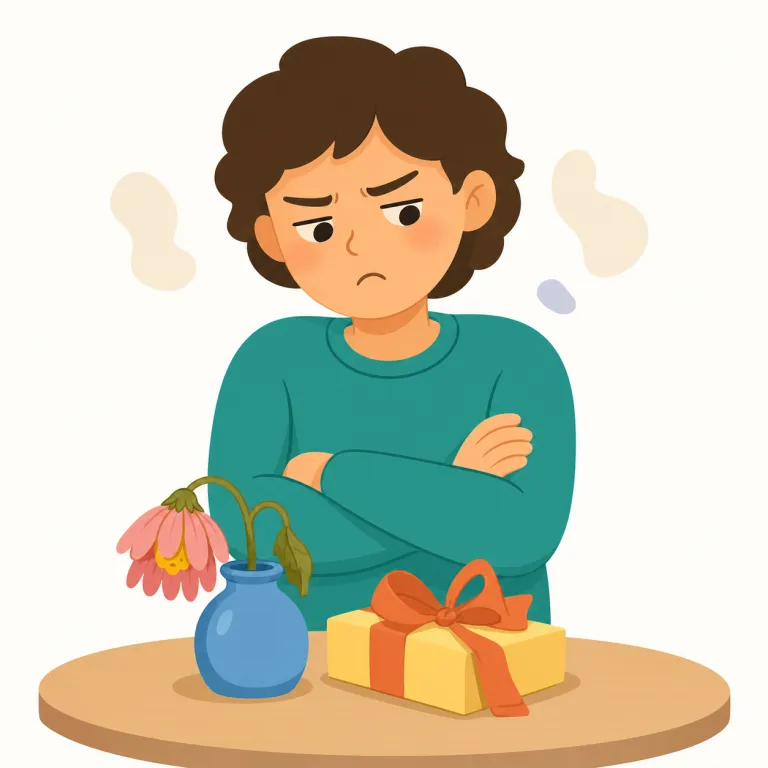
何かが気に入らず、腹立たしさや不機嫌さ、不満を覚える気持ちを表す名詞。単なる身体的な「不快感」より、判断・対応・サービスなどに対して満足していないという感情を指すことが多い。会話では、顔つきや態度ににじむ不満や反感を述べるときによく使われる。
Displeasure is a feeling of annoyance, dissatisfaction, or mild anger. It is often used in formal contexts to describe someone's negative reaction to a person, action, or situation. It is stronger than simple dislike, but usually less strong than rage.
覚え方のコツ Memory Tip
pleasure が「喜び・満足」なら、displeasure は dis- が付いてその反対、「うれしくない・気に入らない気持ち」と押さえると覚えやすい語です。単なる身体的な不快感より、対応・判断・サービスなどに「不満」を感じる場面で出やすいのがポイント。show/express displeasure の形でよく見ます。displeased は形容詞、dissatisfaction は評価としての不満寄りで、語感の違いも一緒に整理すると残りやすいです。
Use the base word "pleasure." When you add "dis-," the feeling turns negative, so the word becomes easy to remember as the opposite side of pleasure. It often appears in phrases like "show displeasure" or "express displeasure," which helps fix the word as a formal reaction word.
例文
She expressed her displeasure with the decision.
彼女はその決定に対する不満を表した。
His displeasure was obvious in his expression.
彼の不機嫌さは表情にはっきり出ていた。
The customer's displeasure was due to poor service.
その客の不満は、サービスの悪さが原因だった。
displeasure の類義語・関連語
類義語
派生語
displeasure の語源・成り立ち Etymology
displeasure は dis-「否定・反対」+ pleasure から成り、pleasure は古フランス語を経てラテン語 placere「気に入る・喜ばせる」に由来します。please や pleasant も同根で、「気に入らない状態」と考えると「不快感」という意味が自然に見えてきます。
Displeasure is formed from dis-, meaning "not" or "opposite," and pleasure. Pleasure came through Old French from Latin placere, meaning "to please," and the same root appears in please and pleasant. Its sense developed naturally from "lack of pleasure" to a feeling of annoyance or dissatisfaction.
同じレベルの語彙をもっと
TOEIC 860の一覧へ →外部辞書で調べる
この英単語をクイズで覚えよう