discontent
discontent は英検1級・TOEIC 990・TOEFL 100・IELTS 7.5レベルの英単語で、「不満」という意味があります。発音記号は /ˌdɪskənˈtɛnt/ です。
不満
解説 Definition
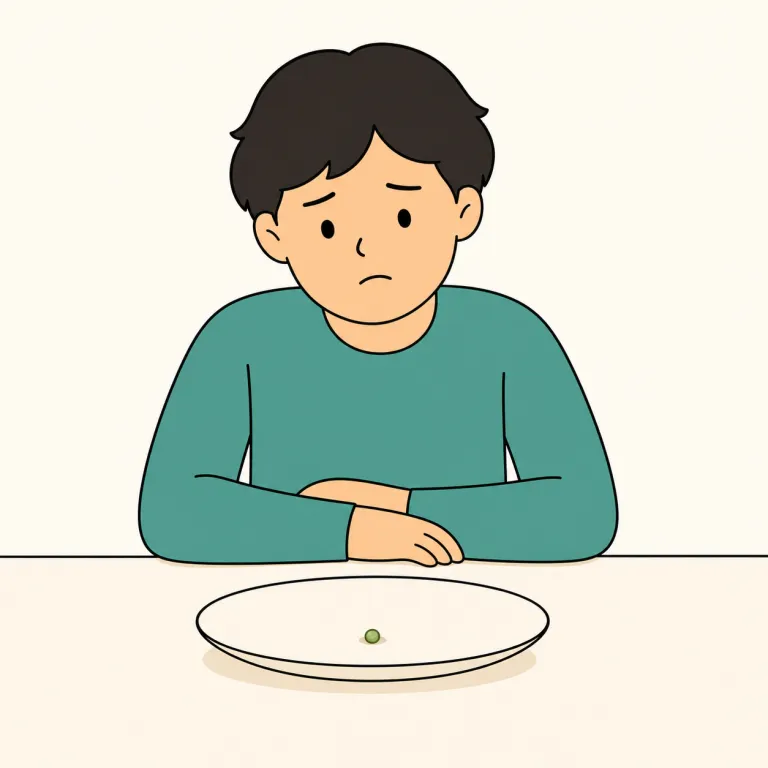
不満というのは、満足していない、何かに文句や不平がある状態を意味する名詞です。期待していたことと実際のことのギャップから生まれる気持ちです。
Discontent is a feeling of dissatisfaction or unhappiness with a situation. It is often used when people are unhappy with rules, conditions, or how they are treated. The word can describe personal feelings or wider public opinion.
覚え方のコツ Memory Tip
content を「満ち足りた・満足した」と知っていれば、dis- が付いてその反対で「満足していない状態」とつかめます。dissatisfied が「個人が不満だ」と感じる形容詞なのに対し、discontent は名詞で、社会や組織に広がる不満にもよく使われます。public discontent, widespread discontent の形で覚えると、単なる文句ではなく、くすぶる不満という感触が残ります。
Break it into dis- and content. If content means satisfied, discontent is the state of not being satisfied. It is often used for shared or public feelings, so phrases like public discontent help you remember that it can describe social unrest, not just one person's complaint.
例文
There is widespread discontent about the new policy.
新しい政策への不満が広がっています。
Her discontent grew with each passing day.
彼女の不満は日が経つごとに大きくなりました。
The workers expressed their discontent with low wages.
労働者たちは低賃金への不満を表明しました。
えいたんごクイズでの正答率
この語をはじめて出題された 42人 のうち 38人 が正解しました(90%)。
えいたんごクイズの回答から集計した独自データです。1人につき最初に出題されたときの1回だけを数えており、復習や2回目以降の回答、「わからない」と時間切れは含みません。 集計時点は 2026年9月19日 です。
discontent の類義語・関連語
discontent の語源・成り立ち Etymology
discontent は dis-「欠如」と content「満足した」から成り、content はラテン語 contentus「抑えられた・足りている」に由来します。contain や contentment も同根で、心が収まっていない状態だと考えると「不満」が腑に落ちます。
Discontent is made from dis- and content. Content comes from Latin contentus, which originally meant "held together," "restrained," and then "satisfied" or "contented." The deeper image is of a mind that is settled or contained, so discontent suggests a state that is not inwardly settled. Related words include contain, contentment, and contents.
同じレベルの語彙をもっと
英検1級の一覧へ →外部辞書で調べる
この英単語をクイズで覚えよう