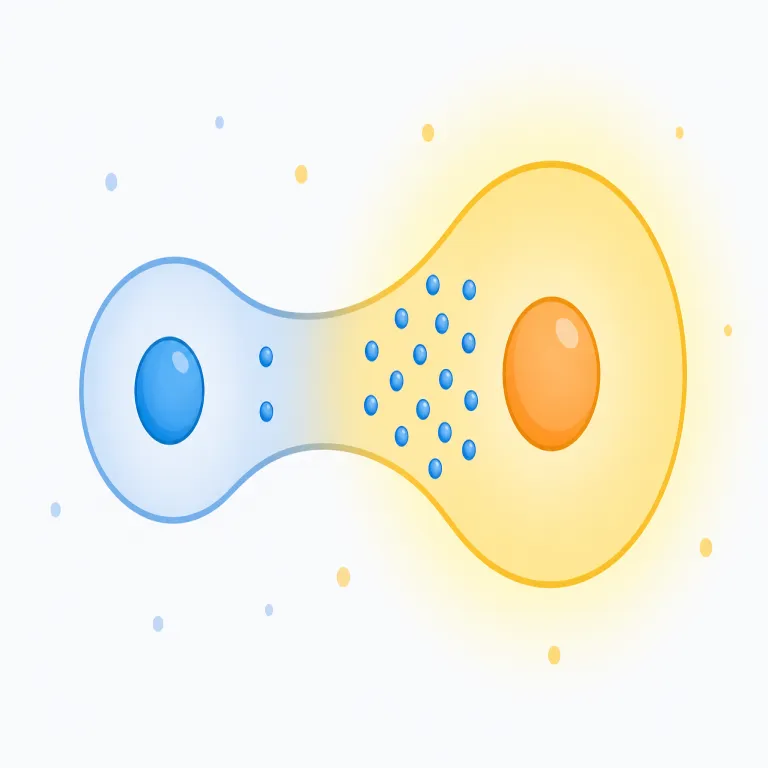
electronegativity
電気陰性度
解説 Definition
化学における原子の電子を引き寄せる能力を示す値。原子が電子対をどの程度引き寄せやすいかを表す尺度。
Electronegativity is the ability of an atom to attract electrons in a chemical bond. It is an important idea in chemistry because it helps explain how atoms interact. Higher electronegativity means a stronger pull on shared electrons.
覚え方のコツ Memory Tip
electro + negative + -ity と切ると覚えやすい。electro は「電子・電気」、negative はここでは「自分の側へ引っぱる感じ」と捉えると、「電子をぐっと引き寄せる度合い」という像が作れる。化学では bond polarity や Pauling scale と一緒に出やすく、high electronegativity なら共有電子対を強く引く原子。electrolysis など electro- 語群とまとめつつ、electron affinity や ionic charge とは別物だと区別すると定着しやすい。
Break it into `electro + negative + -ity`. That structure helps: electricity or electrons, plus a pulling-toward-the-negative-side idea, plus the noun ending `-ity`. In chemistry, remember it with `high electronegativity` and picture an atom pulling shared electrons strongly toward itself.
例文
Fluorine has the highest electronegativity of all elements.
フッ素は全ての元素の中で最も高い電気陰性度を持っている。
The electronegativity difference between atoms determines the polarity of a bond.
原子間の電気陰性度の差は化学結合の極性を決定する。
In the periodic table, electronegativity increases from left to right.
周期表では、電気陰性度は左から右へ増加する。
electronegativity の類義語・関連語
紛らわしい語
electronegativity の語源・成り立ち Etymology
electronegativity は electro-「電気」と negative「否定の・負の」に -ity が付いた科学語です。electron はギリシャ語 elektron「琥珀」に由来し、こすった琥珀が物を引く現象から「電気」の語が生まれたので、この語は「電子を引きつける負の性質」と読めます。electric や negate が関連語です。
"Electronegativity" is a modern scientific word made from electro-, negative, and -ity. "Electron" comes from Greek elektron, meaning "amber," because rubbed amber was linked with early observations of electric attraction. The full word was formed to express the quality of attracting electrons, using "negative" in the sense of electrical charge. Related words include electric and negate.
同じレベルの語彙をもっと
外部辞書で調べる
この英単語をクイズで覚えよう