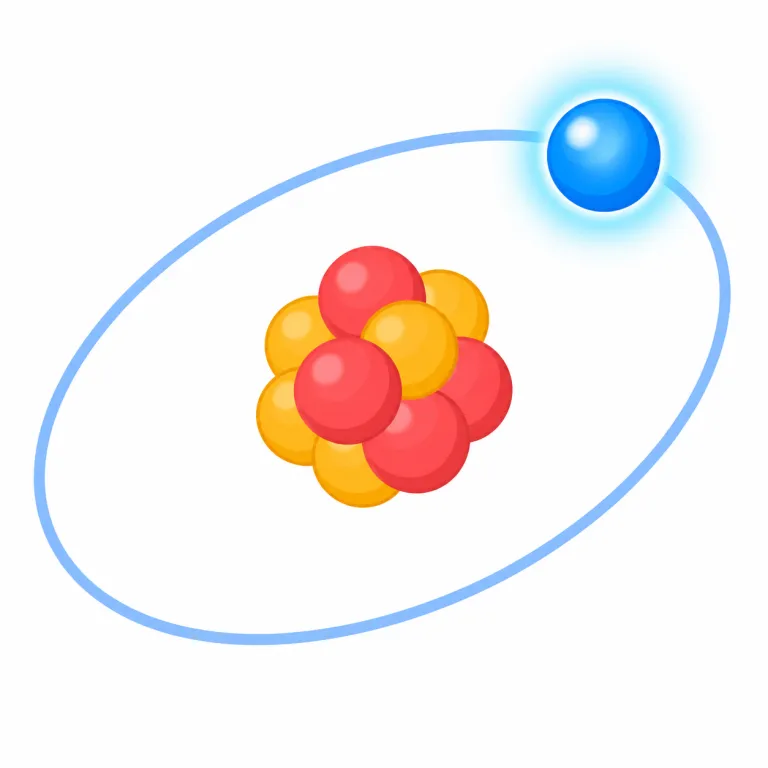
electron
electron は英検2級・TOEFL 60・IELTS 5.5レベルの英単語で、「電子」という意味があります。発音記号は /ɪˈlɛktrɑːn/ です。
電子
解説 Definition
電子は物質を構成する微粒子の一つで、負の電荷を持つ亜原子粒子です。原子よりも小さく、原子核の周囲を高速でまわっていることが多いです。電子の性質は電流や化学結合など、さまざまな物理・化学現象を支えています。
An electron is a very small part of an atom that has a negative electric charge. This word is used in science, especially in physics and chemistry, when talking about electricity and atomic structure.
覚え方のコツ Memory Tip
electron は electric, electricity, electronic と同じ elect- の語群に入れて覚えると強いです。『電気に関する語の中で、いちばん小さい主役が electron』という位置づけにすると定着しやすいです。-on は proton, neutron にも見られる「粒子っぽい語尾」。atom の中にある粒子で、特に negative charge を持つものが electron。electronics は機器・技術分野、electric は電気一般、electron は粒子そのものなので、この3つを分けておくと混同しにくいです。
Keep electron with electric, electricity, and electronic in one word family. In that family, electron is the tiny particle behind electricity. The ending "-on" also appears in particle words like proton and neutron, which makes it easier to remember.
例文
An electron orbits around the nucleus of an atom.
電子は原子の核の周りを回っています。
The movement of electrons creates electrical current.
電子の運動は電流を作り出します。
Scientists study electrons to understand matter better.
科学者たちは物質をよりよく理解するために電子を研究しています。
えいたんごクイズでの正答率
この語をはじめて出題された 34人 のうち 33人 が正解しました(97%)。
えいたんごクイズの回答から集計した独自データです。1人につき最初に出題されたときの1回だけを数えており、復習や2回目以降の回答、「わからない」と時間切れは含みません。 集計時点は 2026年9月19日 です。
electron の類義語・関連語
electron の語源・成り立ち Etymology
electron はギリシャ語 elektron「こはく」に由来し、こはくをこすると静電気を帯びる現象から名づけられました。electric や electricity も同根で、「電子」が電気の語と直結していると分かると意味の歴史が一気につながります。
Electron comes from Greek elektron, meaning "amber." The name was chosen because rubbed amber produces static electricity, and this physical effect inspired later scientific naming. From the same Greek root came electric and electricity, so the history of the word is closely tied to the history of electrical science. The meaning moved from a material in nature to a tiny particle named after that effect.
同じレベルの語彙をもっと
英検2級の一覧へ →外部辞書で調べる
この英単語をクイズで覚えよう