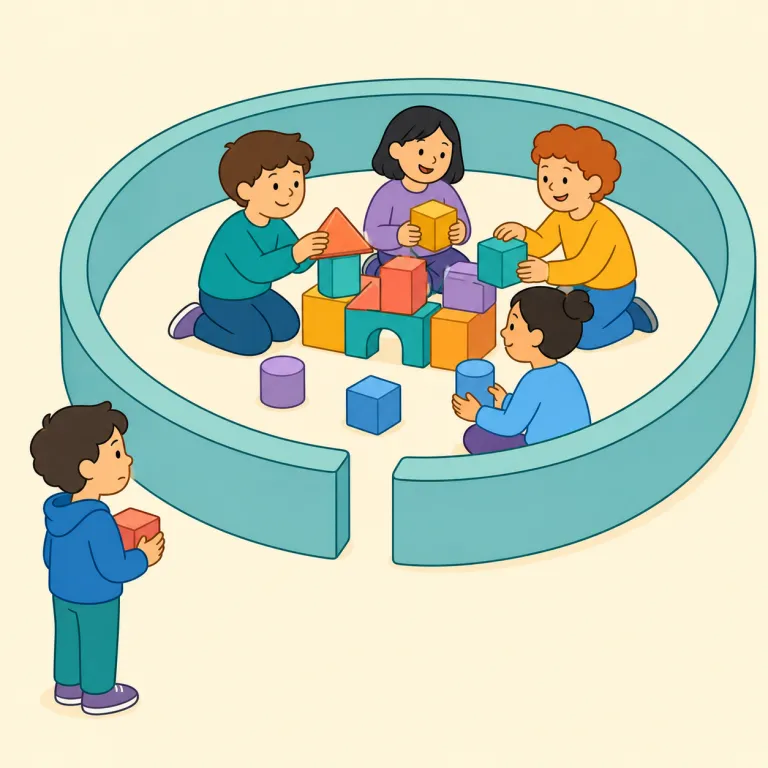
排他的な
解説 Definition
特定の人々やグループを意図的に排除する傾向がある。包括的ではなく、差別的な姿勢を示す。
If something is exclusionary, it keeps some people out or does not allow everyone to join. It is often used for rules, groups, or systems that unfairly limit who can take part. The word usually has a negative meaning.
覚え方のコツ Memory Tip
exclude を知っていれば中心はすぐつかめます。exclusionary は「exclude する方向に働く性質がある」という形容詞で、inclusive / inclusionary の反対側。単に closed というより、「ある人たちを入れない仕組み・態度・制度」に使われやすく、exclusionary policy, exclusionary rules, exclusionary practices の形で覚えると定着します。高級感や限定感もある exclusive と違い、こちらは批判的に「排除的だ」と言う場面が多い語です。
Start with the verb `exclude`. `Exclusionary` describes something that tends to exclude people, so think of systems or rules that push someone out. It often appears in phrases like `exclusionary policy` or `exclusionary practices`, and it is the opposite of `inclusive`.
例文
The exclusionary policy prevented many qualified applicants from being considered.
その排他的な政策により、多くの適格な申請者が検討の対象外とされた。
She criticized the club's exclusionary membership requirements.
彼女はそのクラブの排他的な入会条件を批判した。
The exclusionary rules created tension between different communities.
その排他的な規則は異なるコミュニティ間に緊張を生じさせた。
exclusionary の類義語・関連語
exclusionary の語源・成り立ち Etymology
ラテン語 excludere(外へ閉め出す)に由来する exclusion に、形容詞語尾 -ary が付いた語です。ex-「外へ」+ claudere「閉じる」で、文字どおり『外に出して閉める』感覚。exclude や close が同根で、『仲間に入れない』意味に納得できます。
Exclusionary comes from exclusion plus the adjective ending -ary. Exclusion goes back to Latin excludere, from ex- "out" and claudere "to shut," with the original idea of shutting someone out. It is related to English exclude and close, and the sense developed from physical blocking to keeping people or things from being included.
同じレベルの語彙をもっと
外部辞書で調べる
この英単語をクイズで覚えよう