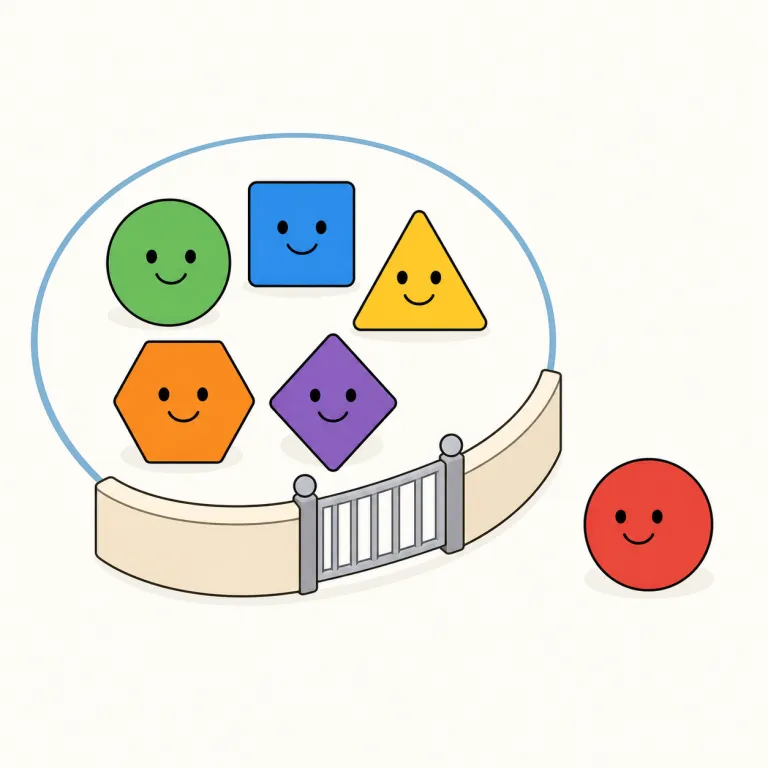
exclusion
exclusion は英検準1級・TOEIC 860・TOEFL 80・IELTS 6.5レベルの英単語で、「排除、除外」という意味があります。発音記号は /ɪkˈskluːʒən/ です。
排除、除外
解説 Definition
人や物を集団、制度、機会などから締め出すこと、または参加・利用・所属を認めない状態を表す名詞。単なる対象外という意味にも、差別的・社会的に排除する強い意味にも使われ、文脈で程度が決まる。
Exclusion means the act of leaving someone or something out, or the state of not being included. It is used in social, legal, educational, and general contexts. The word often suggests that access, membership, or participation is being denied.
覚え方のコツ Memory Tip
exclusion はまず exclude の名詞形として覚える。ex- は「外へ」で、include と並べると「中に入れる include / 外に出す exclude」の対比が強い記憶フックになる。-clusion は conclude などにも見える名詞らしい形。単なる「対象外」だけでなく、social exclusion や exclusion from the group のように、人や機会を締め出す少し重い文脈でも頻出。反対語 inclusion、似た形の exclusive は「排他的な/限定の」で別物。
Learn it next to `exclude`. The prefix `ex-` suggests "out," so `exclusion` is about keeping something or someone out. It is easy to remember by contrasting it with `include` and `inclusion`.
例文
The exclusion of certain groups from society is unjust.
社会から特定の集団を排除することは不当だ。
The policy led to the exclusion of many applicants.
その方針により、多くの応募者が除外された。
She felt hurt by her exclusion from the team.
彼女はチームから外されたことに傷ついた。
えいたんごクイズでの正答率
この語をはじめて出題された 54人 のうち 47人 が正解しました(87%)。
えいたんごクイズの回答から集計した独自データです。1人につき最初に出題されたときの1回だけを数えており、復習や2回目以降の回答、「わからない」と時間切れは含みません。 集計時点は 2026年9月19日 です。
exclusion の類義語・関連語
類義語
exclusion の語源・成り立ち Etymology
exclusion はラテン語 excludere「締め出す」由来で、ex-「外へ」+ claudere「閉じる」に分けられます。include や conclude と同根で、「外に向かって閉じる」感覚がそのまま除外という意味につながります。
Exclusion comes from Latin excludere, made from ex- "out" and claudere "to shut." Its literal sense was "to shut out." From that physical image, it developed the wider meaning of keeping a person or thing outside a group or process. Related words include include, conclude, and close.
同じレベルの語彙をもっと
英検準1級の一覧へ →外部辞書で調べる
この英単語をクイズで覚えよう