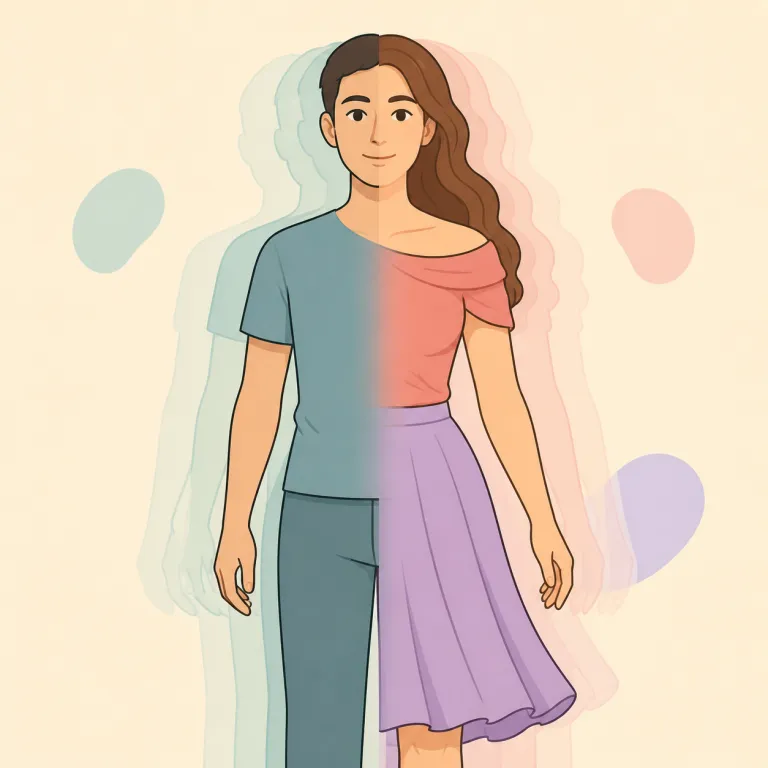
女性比率の増加
noun 名詞職業・組織・産業などに参加または従事する人のうち、女性が占める割合が増えること。
女性的な特徴や性質を帯びるようになる過程や現象のこと。
Feminization is the process of making something appear more female or giving it qualities that are traditionally seen as female. It can be used in biology, medicine, social studies, and discussions of appearance or roles. Because it has different meanings in different fields, the context is important.
まず中心にあるのは feminine「女性的な」。そこに -ize「〜化する」、-ation「その過程・作用」が重なり、feminization で「女性的な方向への変化」と見抜けます。長い語ですが feminine → feminize → feminization と段階で追うと覚えやすいです。生物学では「雄が雌の特徴を帯びる」、社会・文化では「役割や集団が女性寄りになる」といった文脈で出やすい語。feminism(女性主義)や femininity(女性らしさ)とは別で、「思想」ではなく「変化の過程」を表す名詞だと押さえると混同しにくくなります。
Build it in stages: `feminine` -> `feminize` -> `feminization`. The ending `-ize` means to make something become that way, and `-ation` turns it into the process or result. That helps you remember this word is about change, not about ideas like `feminism`.
The feminization of the teaching profession has been a notable trend over the past century.
教職の女性化は、過去1世紀にわたって顕著な傾向である。
Researchers studied the feminization of poverty, noting that women are disproportionately affected.
研究者たちは貧困の女性化を研究し、女性が不均衡に影響を受けていることを指摘した。
Hormonal therapy can lead to feminization, including changes in body fat distribution and skin texture.
ホルモン療法は、体脂肪の分布や肌の質感の変化を含む女性化をもたらすことがある。
文脈によって、次の意味でも使われます。
職業・組織・産業などに参加または従事する人のうち、女性が占める割合が増えること。
feminization は feminine「女性の」+ -ize「〜化する」+ -ation「作用」から成り、feminine はラテン語 femina「女性」に由来します。「女性らしい性質へ変えていくこと」が骨格だと分かると、feminine や effeminate とのつながりも見えます。
Feminization is formed from feminine, the verb-forming suffix -ize, and the noun suffix -ation. Feminine comes from Latin femina, meaning "woman." The word developed to mean the process of making something more female or more feminine in character. Related words include feminine and effeminate.
この英単語をクイズで覚えよう