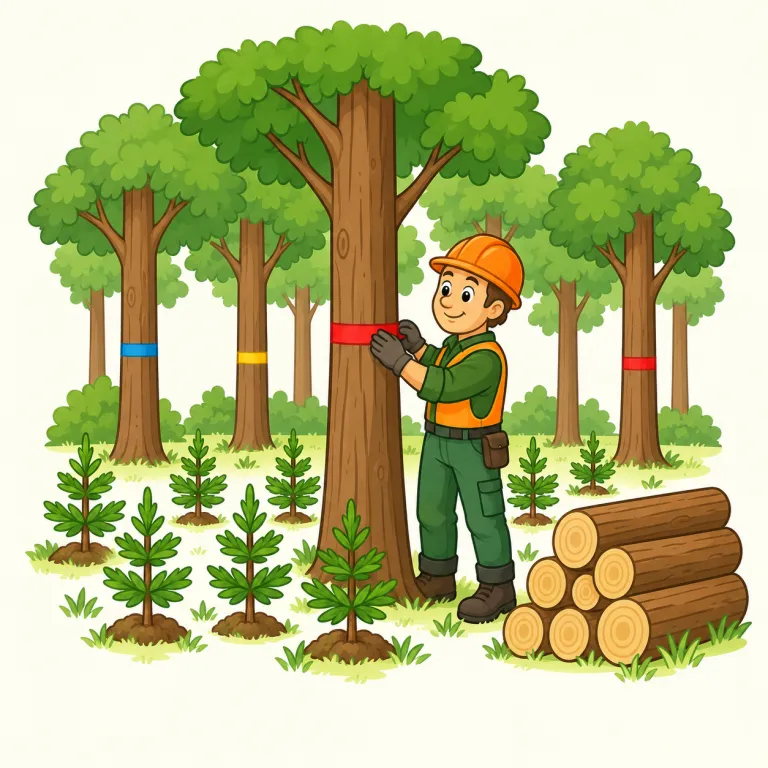
(ドイツ語)森林、管理林
解説 Definition
ドイツ語の名詞 Forst(通常は大文字)で、森林、特に林業上の管理・利用の対象となる森林を表します。現代標準英語の一般語ではなく、英語で「森」と言う場合は通常 forest または woods を使います。
Forst is a German noun, normally capitalized, meaning a forest, especially one considered in relation to forestry or management. It is not the ordinary word for woodland in standard modern English, where forest or woods should normally be used.
覚え方のコツ Memory Tip
forst は現代標準英語の forest ではなく、古い文献やドイツ語系の地名・姓などで目にする形として覚える。母音 e のない綴りを forest と対比し、中世文書の protected forst「保護された森林」という場面を結び付ける。現代の日常英語で「森」と言うなら通常 forest または woods を使う。
Compare forst directly with the standard English word forest. The missing e signals that forst belongs mainly to older, regional, German, or name-related contexts rather than ordinary present-day English. Picture a medieval document marking a protected woodland as a “forst,” or notice the form in a German place-name. For everyday English, choose forest or woods. This contrast is the safest memory aid: forst may point to wooded land in a historical context, while forest is the normal modern English spelling and word.
例文
The German word “Forst” can refer to a forest managed for forestry.
ドイツ語の Forst は、林業のために管理される森林を指すことがあります。
Forst occurs in German place names and proper names.
Forst はドイツ語の地名や固有名に現れます。
In ordinary English, use “forest” or “woods” rather than “Forst.”
通常の英語では、Forst ではなく forest または woods を使います。
forst の類義語・関連語
forst の語源・成り立ち Etymology
ドイツ語 Forst は古高ドイツ語 forst に遡り、英語 forest や中世ラテン語 forestis と歴史的に関連する。さらに遡る起源については議論があり、ラテン語 foris(外)から直接派生したと単純に断定することはできない。
Forst is the German word for a managed or legally designated forest and continues an Old High German form. It is historically related to forms represented by Medieval Latin forestis and English forest, though the exact development involved several medieval European languages and legal usages. The word often referred not simply to wild trees but to woodland subject to ownership, hunting rights, protection, or administration.
同じレベルの語彙をもっと
外部辞書で調べる
この英単語をクイズで覚えよう