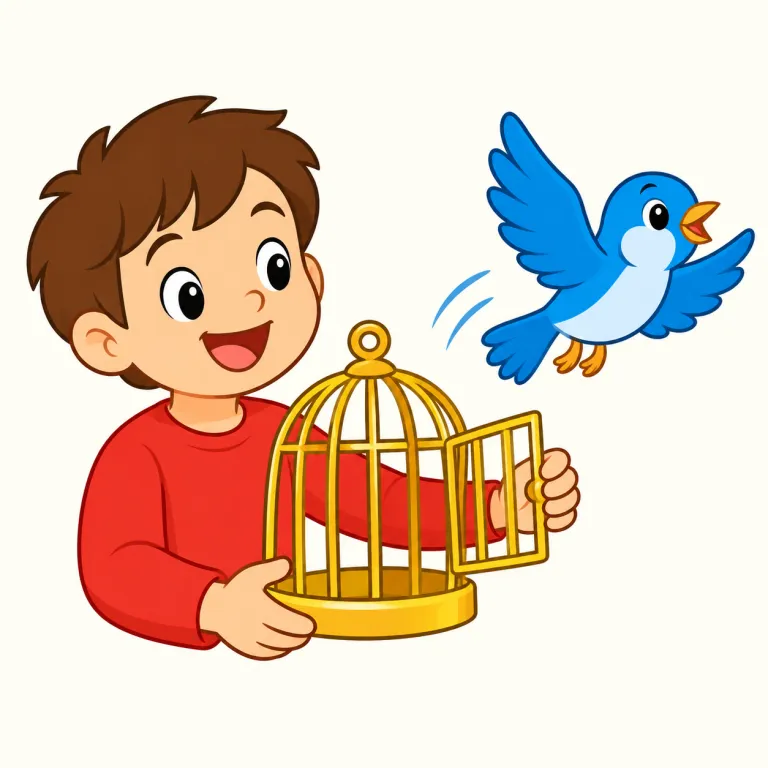
解放する
解説 Definition
「解放する」という意味の動詞です。
Freeing is the act or process of releasing someone or something from captivity, control, restrictions, or a burden. As the present participle of free, it can also describe an action that is currently removing such limits.
覚え方のコツ Memory Tip
freeing は free に -ing を付けた形で、語末の ee を保ったまま freeing と綴る。動名詞なら「解放すること」、現在分詞なら「解放している」となる。free hostages、free A from regulations の型を覚え、「拘束・負担・規制を取り除いて自由にする」という中心像でまとめる。比喩的には a freeing experience ともいう。
Freeing is the -ing form of the verb free. Keep both e letters: free becomes freeing, not “freing.” The central picture is the removal of something that limits movement, choice, or comfort. People free hostages, laws free businesses from regulations, and forgiveness can be a freeing experience because it removes an emotional burden. Notice the useful pattern free someone or something from something. As a gerund, freeing names the action itself; as a present participle, it forms a continuous verb or modifies a noun.
例文
Freeing the hostages was the top priority for the negotiating team.
人質を解放することが交渉チームにとって最優先事項だった。
She found that forgiving him was a freeing experience that lifted a great burden.
彼を許すことは大きな重荷を取り除く解放的な体験だと彼女は感じた。
The new law focused on freeing small businesses from excessive regulations.
新しい法律は中小企業を過剰な規制から解放することに焦点を当てていた。
freeing の類義語・関連語
freeing の語源・成り立ち Etymology
古英語 frēo(自由な)から派生した free の動名詞形。ゲルマン祖語 *frijaz(愛する・自由な)に遡り、「愛する仲間=束縛されない者」が原義。関連語:freedom(自由)、friend(友人)。友と自由が同根なのは、自由民=身内の意識から。
Freeing is formed from free and the suffix -ing. Free comes from Old English frēo, meaning free or exempt, and is related to a Germanic word family associated with members of one’s own community and with affection. Friend and freedom are historical relatives. In modern English, verbal free means to release someone or something from restraint, obligation, or burden; adding -ing presents that release as an activity, process, or ongoing action.
同じレベルの語彙をもっと
外部辞書で調べる
この英単語をクイズで覚えよう