解離性遁走、遁走状態
noun 名詞精神医学で、記憶や自己同一性が一時的に失われ、本人が普段の環境を離れて移動することもある解離状態を指す。dissociative fugueの短縮形として使われ、音楽形式のフーガとは別義である。
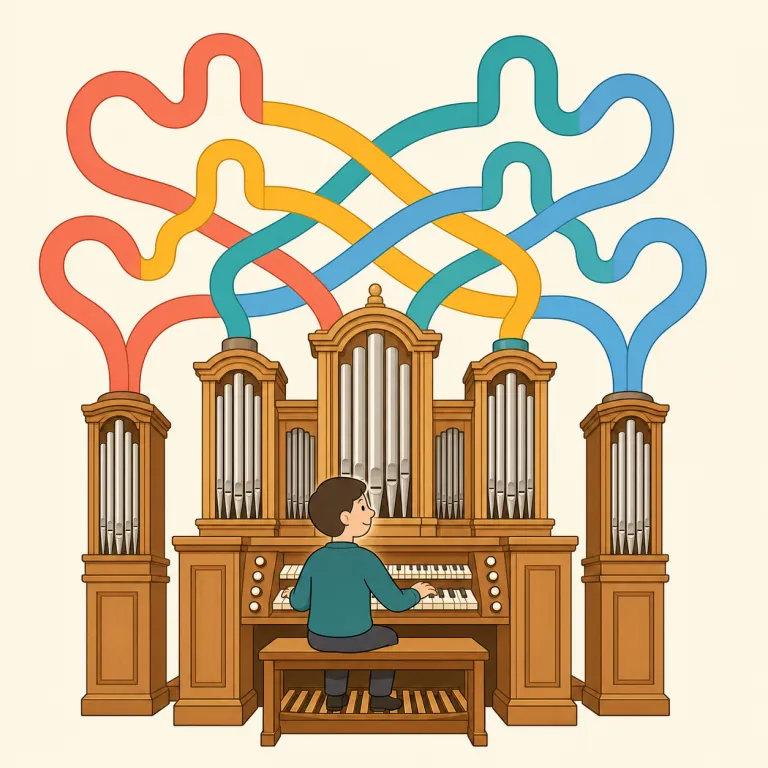
フーガとは、音楽形式の一種で、複数の独立した旋律が互いに絡み合う複雑で洗練された曲です。特にバッハの作品で知られています。
A fugue is a piece of music built around one main tune that is repeated and developed in different voices or parts. It is common in classical music and is known for its complex, carefully organized structure.
fugue は「バッハ」「主題が順番に現れて追いかけ合う」をセットで覚えると定着します。最初の短い旋律が出ると、少し遅れて別の声部が同じ主題を受け継ぎ、さらに他の声部も重なる、という場面を頭に置くとよいです。単なる melody や chorus ではなく、複数の独立した線が同時に進むのが核心。canon に少し似ていますが、fugue のほうが構成が緻密で発展的。Bach fugue というかたまりで覚えると、意味を取り違えにくくなります。
Think of a Bach fugue. One short musical idea starts, then another voice follows it, then another, as if they are chasing the same theme. Remember it as music with several independent lines moving together, not just one simple melody.
Bach's fugues are considered masterpieces of musical composition.
バッハのフーガは作曲の傑作とされています。
The complexity of a fugue requires careful listening to appreciate fully.
フーガの複雑さを十分に味わうには、注意深く聴く必要があります。
She spent years studying the fugue form in her music theory classes.
彼女は音楽理論の授業で、フーガ形式を何年も学びました。
文脈によって、次の意味でも使われます。
精神医学で、記憶や自己同一性が一時的に失われ、本人が普段の環境を離れて移動することもある解離状態を指す。dissociative fugueの短縮形として使われ、音楽形式のフーガとは別義である。
fugue はフランス語・イタリア語を経て、ラテン語 fuga「逃走」にさかのぼります。主題が各声部へ追いかけるように現れるため「逃げる・追う音楽」と理解でき、fugitive や refuge も同じ語根です。
Fugue came into English through French and Italian from Latin fuga, meaning "flight" or "escape." In music, the name likely referred to the way a theme seems to run from one voice to another and be chased in return. Related English words from the same root include fugitive and refuge.
この英単語をクイズで覚えよう