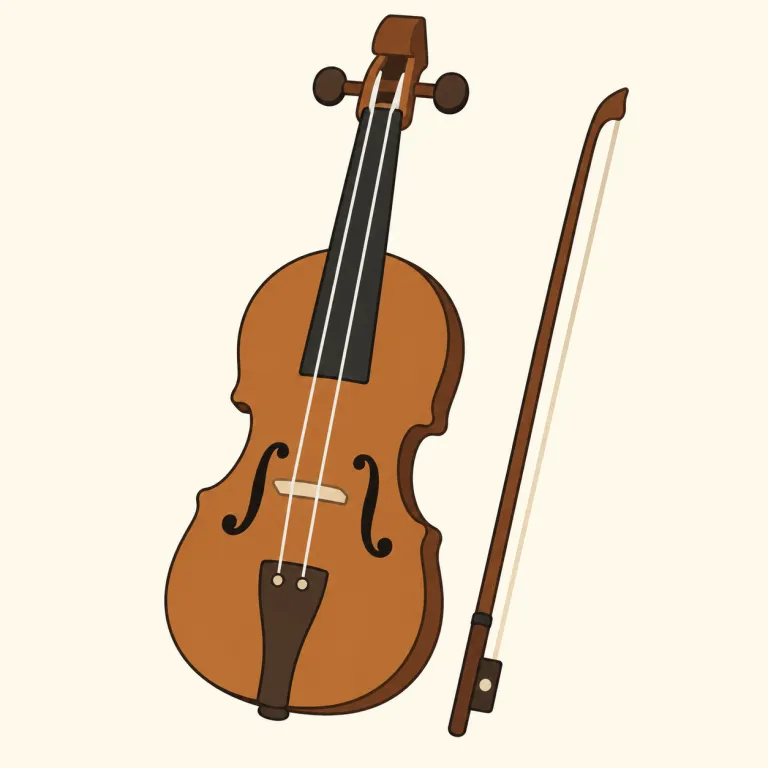
シェトランドの二弦楽器
解説 Definition
シェトランド諸島でかつて使われた、バイオリンに似た二弦の擦弦楽器。非常にまれな歴史的語である。日本語のじゃんけんの「ぐー」を表す英語ではない。
A gue is a two-stringed viol or fiddle formerly used in Shetland. It is a rare historical noun, not an English spelling of Japanese gū in rock-paper-scissors.
覚え方のコツ Memory Tip
gue は /ɡjuː/ と発音し、シェトランド諸島の古い二弦楽器を指すまれな名詞。日本語の「ぐー」や英語の goo と結び付けず、歴史的な fiddle の一種として覚える。
Pronounce gue /ɡjuː/ and remember it as a rare historical name for a two-stringed Shetland fiddle. It is unrelated to English goo and is not the Japanese rock-paper-scissors term gū.
例文
The old account describes the gue as a two-stringed fiddle from Shetland.
その古い記録は、gueをシェトランドの二弦のフィドルとして説明している。
A reconstruction of a gue was displayed beside other Shetland instruments.
復元されたgueが、ほかのシェトランドの楽器と並べて展示された。
The musician studied how the gue may once have been played.
その音楽家は、gueがかつてどのように演奏されていたのかを研究した。
gue の類義語・関連語
類義語
紛らわしい語
gue の語源・成り立ち Etymology
ノルウェー方言の gjija に由来し、さらに古ノルド語 gīgja「フィドル」にさかのぼる。日本語の「ぐー」や英語 goo とは語源的に無関係である。
English gue is a modification of Norwegian dialect gjija, from Old Norse gīgja, meaning “fiddle.” It is unrelated to English goo or Japanese gū.
同じレベルの語彙をもっと
外部辞書で調べる
この英単語をクイズで覚えよう