えいたんごクイズ
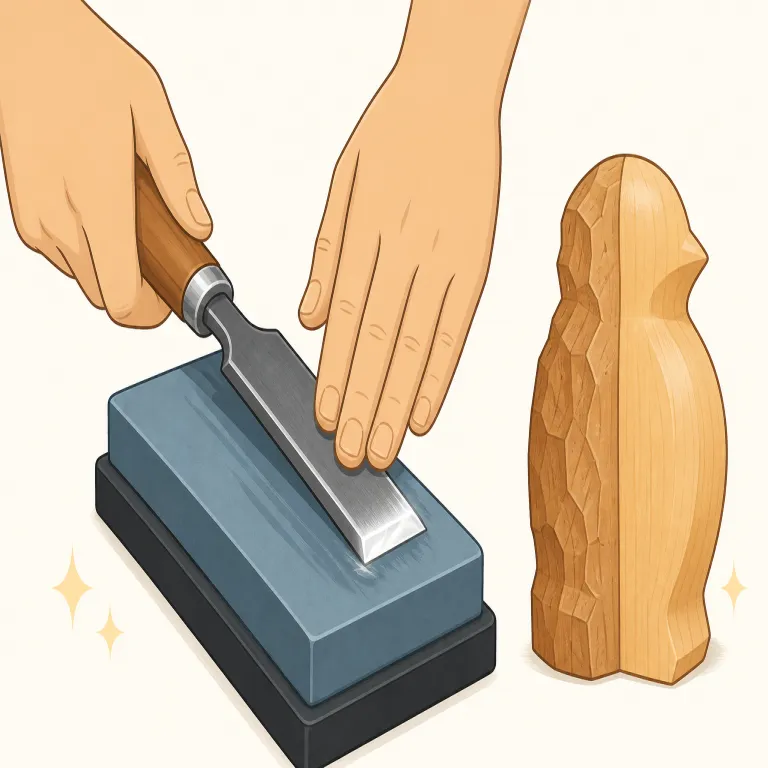
hone(研ぐ・動詞)の覚え方イラスト

hone

/hoʊn/

hone は英検1級・TOEIC 860・TOEFL 80・IELTS 6.5レベルの英単語で、「研ぐ、磨き上げる、磨く」という意味があります。発音記号は /hoʊn/ です。

意味一覧 (4件)

verb

解説 Definition

hone は、ナイフやかみそり、工具の刃を砥石などで研いで、切れ味を細かく整えるときに使います。単に鋭くする sharpen より、仕上げとして刃先をなめらかに調整する響きがあります。料理や木工、刃物の手入れの文脈で出ます。

As a verb, hone means to sharpen the edge of a knife, razor, or tool with a stone or a similar surface. It often suggests fine adjustment and careful finishing, not just making something sharp in a general way. You use it when the blade is being smoothed and improved so it cuts more cleanly. This word is common in cooking, woodworking, and blade maintenance.

覚え方のコツ Memory Tip

hone は sharpen と近いですが、刃をただ鋭くするだけでなく、砥石や革砥で刃先を細かく整える感じがあります。名詞 hone には古く「砥石」の意味があり、knife, razor, blade, edge と一緒に出ると物理的に「研ぐ」と考えると自然です。skill を目的語にする「技能を磨く」は別エントリの比喩的な用法なので、ここでは刃物の手入れに集中して覚えます。

Think of hone as being close to sharpen, but more exact. It often suggests carefully refining the edge of a blade with a whetstone or a leather strop. The old noun hone meant a sharpening stone, so with words like knife, razor, blade, or edge, it naturally means physically sharpening the blade. Do not focus here on the figurative use like hone a skill; this entry is about blade care.

例文

He used a whetstone to hone the kitchen knife before dinner.

彼は夕食の前に砥石で包丁を研いだ。

You should hone the razor gently so the edge stays smooth and even.

刃先がなめらかで均一なままになるよう、かみそりはやさしく研ぐべきだ。

The woodworker paused to hone his chisel before cutting the joint.

その木工職人は継ぎ手を切る前にのみを研ぐため手を止めた。

verb

(意味 2)

解説 Definition

刃物を研いで、切れ味を鋭くする。砥石や石などを使って、刃物の刃を磨く。

例文

The blacksmith used a stone to hone the blade of his sword.

鍛冶屋は石を使って剣の刃を研ぎました。

You should hone your knives regularly to keep them sharp.

定期的に包丁を研いで、切れ味を保つべきです。

The woodworker used a whetstone to hone his chisels.

木工職人は砥石を使ってノミを研ぎました。

verb

みがげる

(意味 3)

解説 Definition

技術や能力を継続的に練習や努力を通じて改善し高める。スキルをより高いレベルに到達させるために磨き上げることが主な意味である。

例文

She spent years honing her skills as a musician.

彼女は音楽家としてのスキルを磨き上げるのに何年も費やしました。

Athletes constantly hone their abilities through practice.

アスリートは練習を通じて継続的に能力を磨き上げます。

The company worked to hone its customer service approach.

その会社はカスタマーサービスの手法を磨き上げるために取り組みました。

verb

みが

(意味 4)

解説 Definition

刃物や技術などを研いで、より鋭くまたはより上達させることです。比喩的には、スキルや能力を継続的に改善・発展させることを意味します。

To hone a skill means to improve it carefully through practice and effort. It is often used for abilities such as writing, speaking, or athletic skills. It can also mean to sharpen something, especially a blade, but this use is less common in everyday conversation.

覚え方のコツ Memory Tip

この「磨く」は、刃物を研ぐ意味から広がった比喩用法として、技能・感覚・判断力などを練習で少しずつ高めるときに使います。hone a skill, hone your craft, hone instincts のように、目的語は能力や技術になりやすいです。単なる improve よりも、反復して精度や鋭さを上げる感じが強い点を意識すると覚えやすいです。基本義の「研ぐ」とは別に、抽象的な力を仕上げる語として整理します。

Think of honing a knife until the edge becomes sharp. Then extend that image to skills: you hone a skill, a craft, or an instinct by repeated practice. It is close to refine, but hone feels more like sharpening little by little. Do not mix it up with home; hone is the one with a sharp edge.

例文

She used a whetstone to hone her knife's blade.

彼女は砥石を使ってナイフの刃を磨いた。

The athlete spent years honing his skills to become a champion.

その運動選手はチャンピオンになるために何年も技術を磨いた。

Writers hone their craft through constant practice and revision.

著者は絶え間ない練習と改訂を通じてその技術を磨いている。

hone を含む表現

句動詞・イディオムなど 2 件。クリックで各表現の詳細へ。

hone の語源・成り立ち Etymology

古英語 han「砥石」に由来し、もとは刃物を研ぐ石を指しました。そこから動詞化して「刃を研ぐ」という意味になりました。

Hone comes from Old English han, which meant a stone used for sharpening. It first named the sharpening stone itself, and later became a verb meaning to sharpen a blade with that kind of stone.

外部辞書で調べる

この単語をシェア

この単語を英単語クイズで覚えよう