
i'm home
i'm home は英検3級レベルの英熟語で、「ただいま、家にいる」という意味があります。発音記号は /ˈaɪm ˈhoʊm/ です。
意味一覧 (2件)
ただいま
解説 Definition
家に帰ったときに玄関先などで使う短い挨拶です。家族や同居人に自分が戻ってきたことを知らせ、返事を促す役割もあります。
This phrase means you have returned home. It is commonly said when entering your house after being away. In everyday use, it can also mean 'I just got back.'
覚え方のコツ Memory Tip
I’m + 場所で『今その場所にいる』が基本なので、I’m home は直訳すると『今、家だよ』。そこから『帰ったよ』という玄関での定番あいさつになると覚える。at を入れた I’m at home は単に『家にいる』説明で、帰宅の第一声ではない点が重要。go home, come home, get home など home は前置詞なしで使いやすい語なので、帰宅関連の表現をまとめて覚えると定着しやすい。家族に存在を知らせる短い決まり文句、という場面ごと記憶すると忘れにくい。
Think of `home` as a special word in English: we often say `go home`, `come home`, and `get home` without a preposition. `I'm home` is the natural line you say when you arrive, not just a description. Compare it with `I'm at home`, which simply tells your location.
例文
I'm home, Mom.
お母さん、ただいま。
I'm home from school.
学校から帰ったよ。
Dad says, "I'm home!"
お父さんが「ただいま!」と言います。
家にいる
(意味 2)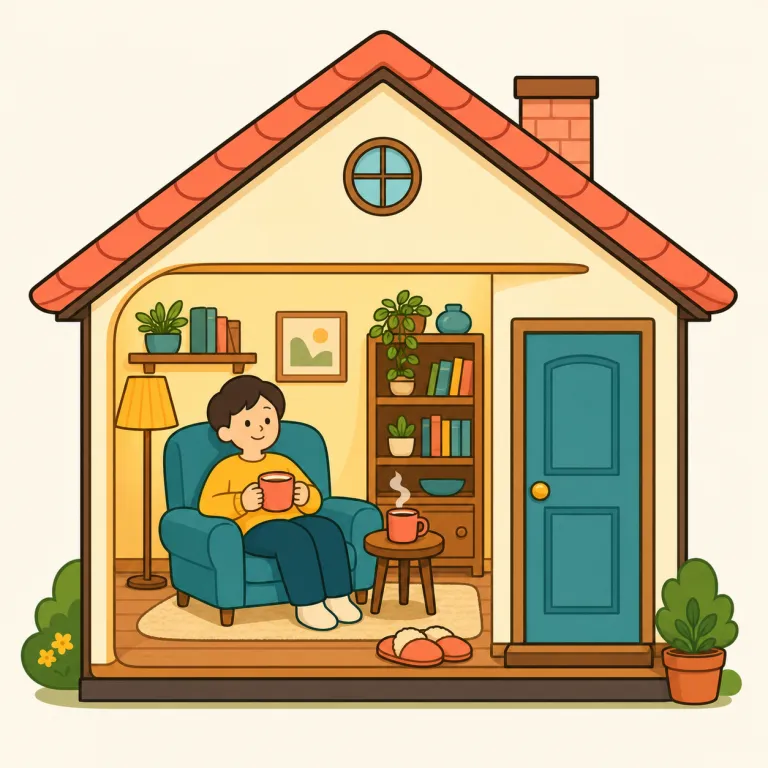
解説 Definition
「今は家にいる」「自宅にいるところだ」と現在の居場所を伝える言い方です。電話やメッセージで自分が家にいることを知らせたり、外出していないことを説明したりするときに使われます。また、帰宅時のあいさつとして「ただいま」の意味でも普通に使えます。
Used to tell someone that you are currently at the place where you live. It is useful in calls or messages when explaining your present location.
覚え方のコツ Memory Tip
I’m + 場所で『今その場所にいる』が基本なので、I’m home は直訳すると『今、家にいるよ』。玄関での『ただいま』としても使われますが、この行では電話やメッセージで現在地を伝える表現として覚えるのが大切です。at を入れた I’m at home も『家にいる』説明に近いですが、I’m home はより短く自然に『外ではなく家にいる』と伝えられます。No, I’m home. のように、会社や外出先ではないことをはっきり言う場面ごと記憶すると忘れにくい。
Connect "I'm" followed by a place with telling someone where you are now. Imagine answering a message asking whether you are at the office: "No, I'm home." Remember the phrase as a short way to state your current location.
例文
I'm home today, so you can stop by anytime.
今日は家にいるので、いつ来ても大丈夫です。
No, I'm not at the office. I'm home.
いいえ、会社にはいません。家にいます。
I can't go out tonight because I'm home with the kids.
今夜は子どもたちと家にいるので出かけられません。
i'm home の語源・成り立ち Etymology
homeは古英語hām(住処、村)に由来し、ゲルマン祖語*haimazから。ドイツ語Heim(家庭)、hamlet(小村)と同根。安心して帰る場所という原義が、日本語の「ただいま」の温かさと通じる。
Home comes from Old English ham, meaning "dwelling, village, or place where one lives," from an older Germanic root. The word always carried the sense of a place of belonging, not just a building. It is related to German Heim and to place names ending in -ham.
同じレベルの語彙をもっと
英検3級の一覧へ →外部辞書で調べる
この英熟語をクイズで覚えよう