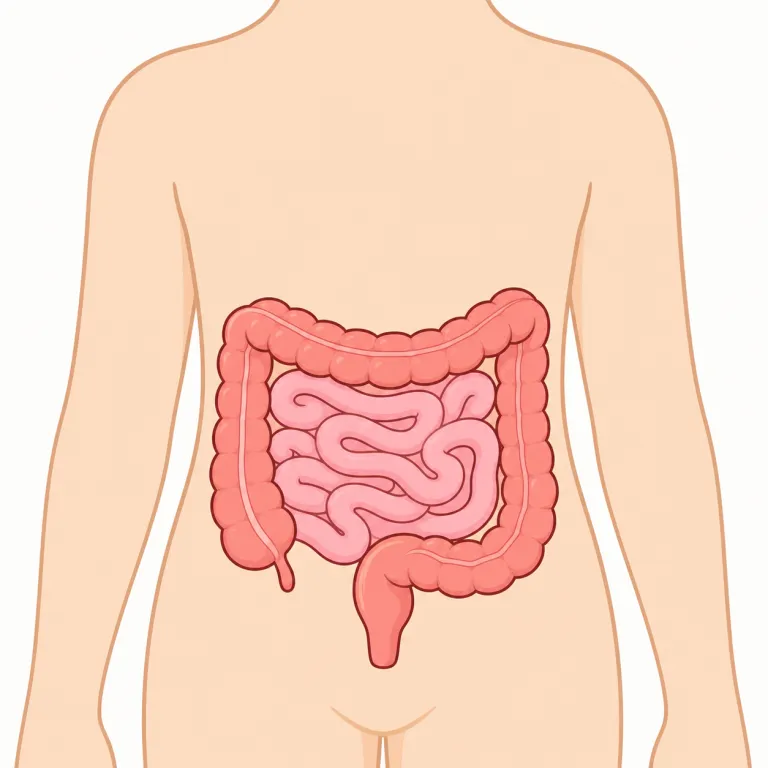
intestine
intestine は英検1級レベルの英単語で、「腸」という意味があります。発音記号は /ɪnˈtɛstɪn/ です。
腸
解説 Definition
動物の体内にある消化器官で、胃で消化された食物をさらに処理し、栄養を吸収します。人間の場合、小腸と大腸から構成されています。
The intestine is the long tube inside the body where food goes after leaving the stomach. It is an important part of the digestive system, where nutrients are absorbed and waste is processed. In general talk, people often use the plural form, intestines.
覚え方のコツ Memory Tip
intestine は internal(体の内側の)や intestinal(腸の)と一緒に覚えると定着しやすい語です。in- で「内側」を感じ、体の中に長く折れ曲がって続く器官を思い浮かべるとよいです。会話や説明文では small intestine(小腸)、large intestine(大腸)という形で頻出し、単独よりこのセットの方が見かけます。また intestines と複数形で「腸全体」を指すこともあるので形にも注意。stomach(胃)の次にあり、digestion や absorb nutrients と結びつけると、消化と吸収の役割まで一緒に残せます。
Notice the `in-` feeling of “inside” and connect `intestine` with `internal` or `intestinal`. It is often learned best in the common pairs `small intestine` and `large intestine`, not alone. That makes the word easier to place in the body and remember.
例文
Food passes through the small intestine where nutrients are absorbed.
食物は小腸を通り、そこで栄養が吸収されます。
The large intestine stores waste before it is eliminated from the body.
大腸は、体外に排出されるまで老廃物を蓄えます。
He had severe pain in his intestines and saw a doctor.
彼は腸に激しい痛みがあり、医師の診察を受けました。
intestine の類義語・関連語
intestine の語源・成り立ち Etymology
intestine はラテン語 intestinus「内側の、体内の」に由来し、その核は intus「内に」です。つまり本来は「内側にあるもの」で、そこから腸を指すようになり、intestinal や internal にも同じ「内へ」の感覚が残っています。
Intestine comes from Latin intestinus, meaning "internal" or "inward," based on intus, "within." It originally referred to things inside the body. Over time, English narrowed it to the inner digestive organs, especially the bowels. Related words include intestinal and internal.
同じレベルの語彙をもっと
英検1級の一覧へ →外部辞書で調べる
この英単語をクイズで覚えよう