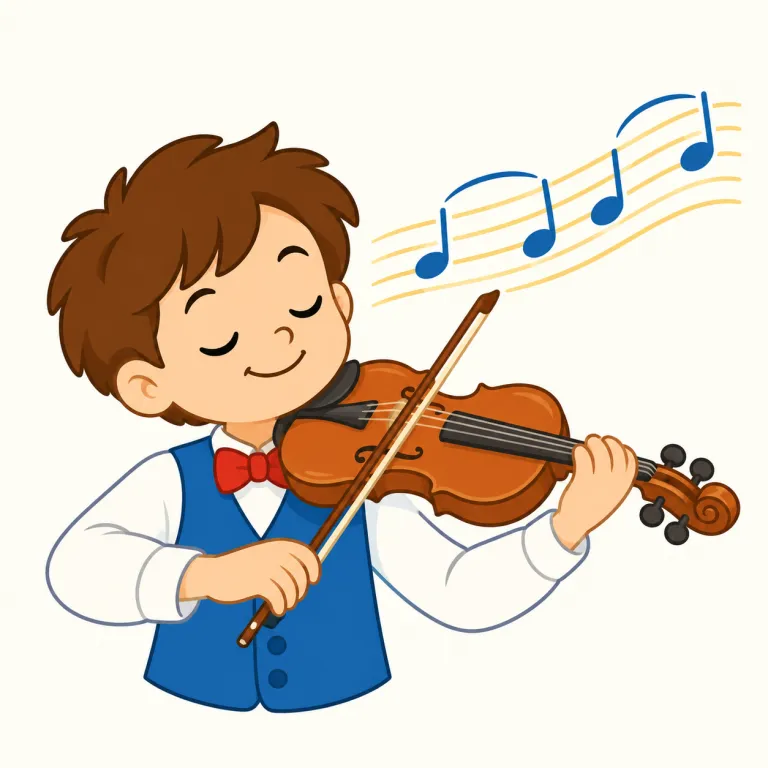
なめらかに、切れ目なく
解説 Definition
音楽で、音と音を切らずに滑らかにつないで演奏したり歌ったりするさまを表す語。スタッカートの反対で、旋律やフレーズを流れるように聞かせたいときに、演奏指示や表現の説明として使われる。
Legato means in a smooth, connected way, without clear breaks between notes or sounds. It is mainly used in music to describe how something should be played or sung. It is the opposite of a short, separated style.
覚え方のコツ Memory Tip
音を一音ずつ区切る staccato と対で覚えるのが最短です。legato は「音をつなげて流す」側で、フレーズ全体が一本の線になる感覚を持つと定着します。楽譜のスラーとも結びつけやすく、play legato / sing legato のように演奏・歌唱の指示で出やすい語です。短く跳ねるのでなく、息や弓、指の動きを切らずに保つ場面を思い浮かべるとよいです。つづりが似る legal とは無関係で、意味は常に「切れ目なく滑らかに」に集中するとぶれません。
Remember it together with `staccato`, its opposite in music. `Legato` is the smooth, connected side, where notes flow like one line. The spelling may look a little like `legal`, but they are unrelated, so keep the music image in mind.
例文
The violinist played the phrase legato to create a smooth melody.
そのバイオリニストは流れるような旋律を生み出すため、そのフレーズを切れ目なく演奏した。
Sing the line legato, not in short detached notes.
その旋律線は、音を短く切らずに切れ目なく歌いなさい。
The pianist played the chords legato throughout the passage.
そのピアニストは楽節全体を通して和音を切れ目なく弾いた。
legato の類義語・関連語
紛らわしい語
legato の語源・成り立ち Etymology
legato はイタリア語で、さらにラテン語 ligare「結ぶ」にさかのぼります。語根 lig-/leg- は「結合」を表し、ligament や ligature も同系です。音を切るのでなく結んで運ぶという像が、そのままレガートのなめらかさを説明しています。
Legato came into English from Italian legato. It goes back to Latin ligare, meaning "to bind" or "to tie," and it shares a root with English words like ligament and ligature. The idea is that sounds are "bound together," which led to its musical sense.
同じレベルの語彙をもっと
外部辞書で調べる
この英単語をクイズで覚えよう