どぎつく、けばけばしく
adverb 副詞色彩が不自然なほど鮮やかで、どぎつく目立つさま。luridly colored や luridly painted のように、けばけばしく、ときに不快感を与える色合いや光景を述べる。
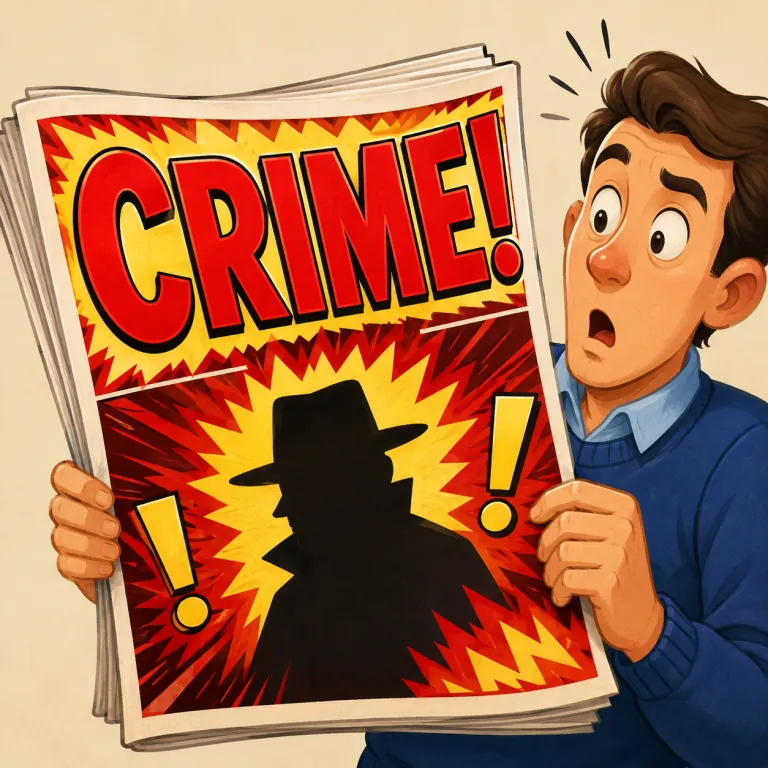
人の関心を引くため、衝撃的・生々しい内容を過度に強調するさま。事件報道や描写によく使う。
In an excessively shocking or graphic way intended to attract attention. It usually carries a negative judgment and is often used for descriptions of crimes, violence, or scandals.
luridly は lurid「ぞっとするほど生々しく、けばけばしく描く」+ -ly と分け、人目を引くため事件の残酷さや醜聞の刺激的な細部を過度に強調する様子と覚えると定着しやすい。vividly が中立的な「鮮明に」なのに対し、luridly には悪趣味なほど扇情的という否定的評価がある。describe a crime luridly、focus luridly on the worst details、portray violence luridly の型で、新聞が血なまぐさい部分だけを大見出しであおる場面を思い浮かべるとよい。
Think of reporting that emphasizes the most shocking details to excite public interest. Unlike neutral “vividly,” this word suggests sensational and tasteless treatment.
The crime was luridly described in the newspaper.
その犯罪は新聞で扇情的に描かれた。
The documentary luridly focuses on the scandal's worst details.
そのドキュメンタリーは、疑惑の最もひどい部分を扇情的に取り上げている。
The novel luridly portrays the violence of the era.
その小説は当時の暴力を生々しく扇情的に描いている。
文脈によって、次の意味でも使われます。
色彩が不自然なほど鮮やかで、どぎつく目立つさま。luridly colored や luridly painted のように、けばけばしく、ときに不快感を与える色合いや光景を述べる。
形容詞 lurid に副詞語尾 -ly が付いた語です。lurid はラテン語 luridus「青白い、血色の悪い」に由来します。英語では不気味な光や色を表す用法を経て、犯罪などを「ぞっとするほど生々しく描く」という意味へ広がりました。
It is formed from “lurid” and the adverb suffix “-ly.” “Lurid” comes from the Latin “luridus,” meaning pale or sickly in color, and later developed a sense associated with horrifyingly vivid descriptions.
この英単語をクイズで覚えよう