riddance
意味一覧 (3件)
排除
解説 Definition
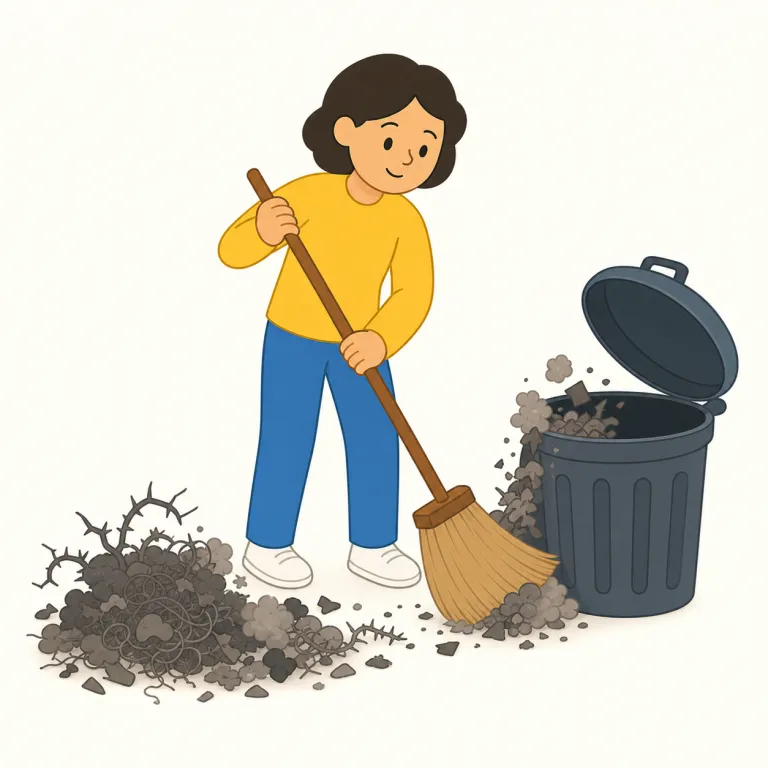
riddanceは、厄介なものや望ましくない人・出来事を取り除いて、心が軽くなる状態やその行為を表す名詞です。嫌だった対象が去ったことで感じる解放感や安堵が強調されることが多く、特に「good riddance」のようにネガティブなものからの決別を喜ぶ表現とともに使われます。
Riddance means the act of getting rid of someone or something unwanted. It is often used when people feel relief that a problem, burden, or unpleasant person is gone. It appears most often in the phrase "good riddance."
覚え方のコツ Memory Tip
このエントリの riddance は、別に登録される基本義の「厄介払い」ではなく、より硬く抽象的な「排除」として押さえるとよいです。手がかりは get rid of の rid で、「邪魔なものを取り除く」という中心イメージは同じですが、ここでは感情的にせいせいする響きより、対象をなくす行為や結果に注目します。removal や elimination に近い、書き言葉寄りの名詞として覚えてください。
Connect it to the phrase get rid of. If rid means remove, riddance is the noun for that removal, especially when you feel relieved. The fixed phrase good riddance is the best memory hook for this word.
例文
Good riddance to that broken equipment.
あの壊れた機器はなくなってよかった。
She felt relieved at the riddance of her anxiety.
不安が消えて、彼女はほっとした。
The riddance of pests improved the crop yield.
害虫を駆除したおかげで収穫量が増えた。
厄介払い
(意味 2)解説 Definition
riddanceは、嫌な人や面倒な物事がいなくなったり片づいたりして、せいせいすることを表す名詞です。特にgood riddanceの形で、迷惑な対象が去ったことへの強い安堵や喜びを表します。
Riddance is the feeling of relief when an annoying person, problem, or unwanted thing is gone. It often appears in the fixed expression "good riddance," which shows strong pleasure or relief that something troublesome has ended. The word is not neutral like simple removal; it usually carries an emotional sense of being glad to be free of something.
覚え方のコツ Memory Tip
riddance は get rid of「取り除く、追い払う」の rid から考えると覚えやすい語です。-ance は action や state を名詞にする語尾で、appearance や acceptance と同じ型です。ただし riddance は単なる removal「除去」より感情が強く、迷惑な相手や面倒ごとが消えて「せいせいした」という響きがあります。まず good riddance を固定表現として覚えると、本義の厄介払いがつかみやすくなります。
Think of riddance through the phrase get rid of, because the key part is rid. The ending -ance turns it into a noun, like in appearance or acceptance. But riddance is more emotional than simple removal: it suggests that something annoying is gone and you feel relieved. If you remember the common phrase "good riddance," the core meaning becomes much easier to catch.
例文
When the noisy neighbors finally moved away, everyone in the building felt a sense of good riddance.
うるさい隣人がついに引っ越して、住人たちは皆、厄介払いができた気分になった。
For her, deleting all those spam emails was a small but satisfying riddance.
彼女にとって、迷惑メールを全部消すのは小さいながらも気分のいい厄介払いだった。
His resignation brought riddance from months of confusion and conflict in the office.
彼の辞任で、職場は何か月も続いた混乱と対立から厄介払いされた。
除去
(意味 3)解説 Definition
不要な物や望ましくない状況から解放されることを意味し、そのような除去に伴う喜びや安堵感を指す。
例文
Good riddance to the broken furniture we finally threw away.
ようやく処分できた壊れた家具、本当に良かった。
He experienced good riddance when his negative friend finally moved away.
彼は否定的な友人がやっと引っ越したとき、本当にうれしい除去を経験した。
The company celebrated the riddance of outdated equipment.
その会社は時代遅れの機器の除去を祝った。
riddance の語源・成り立ち Etymology
riddanceはrid+ -anceで、ridは古英語hreddan「救い出す、自由にする」に由来する。ridやget rid ofと同根で、『何かから解放されること』がそのまま排除の意味になったと考えると、good riddanceの感じもつかみやすい。
Riddance comes from rid plus the noun ending -ance. Rid goes back to Old English hreddan, meaning "to free," "rescue," or "deliver." So riddance first meant being freed from something, and from there it developed the sense of removal or getting something out of the way. It is closely related to rid and the phrase get rid of.
外部辞書で調べる
この単語を英単語クイズで覚えよう