rid
rid は英検2級・TOEIC 730・TOEFL 60・IELTS 5.5レベルの英単語で、「取り除く」という意味があります。発音記号は /rɪd/ です。
取り除く
解説 Definition
何かを取り除くことで不要なものや害となるものをなくし、環境や状態を整える行為です。対象は物理的なものだけでなく、習慣や考え方のような抽象的なものにも及びます。悪影響を及ぼす要素を消したり削除したりして、状況を改善または再構築しようとする行動を指します。
Rid means to remove something unwanted or to make someone free from it. It is often used for things like problems, dirt, or bad habits. This verb commonly appears in the phrase "get rid of."
覚え方のコツ Memory Tip
まず「get rid of」で一塊として覚えるのが近道です。日常では単独の rid よりこの形が圧倒的に多く、「不要なものを追い出して、すっきりさせる」場面で使います。remove が中立的に“取り除く”なのに対し、rid は厄介・有害・邪魔なものをなくす感じが強め。rid A of B で「AからBを除く」という語順も重要です。関連語の riddance も合わせると記憶が安定します。
Learn this as the chunk get rid of, because that is the form you meet most often. Rid usually sounds stronger than remove, and it often suggests something unwanted or troublesome. Also notice the pattern rid A of B: remove B from A.
例文
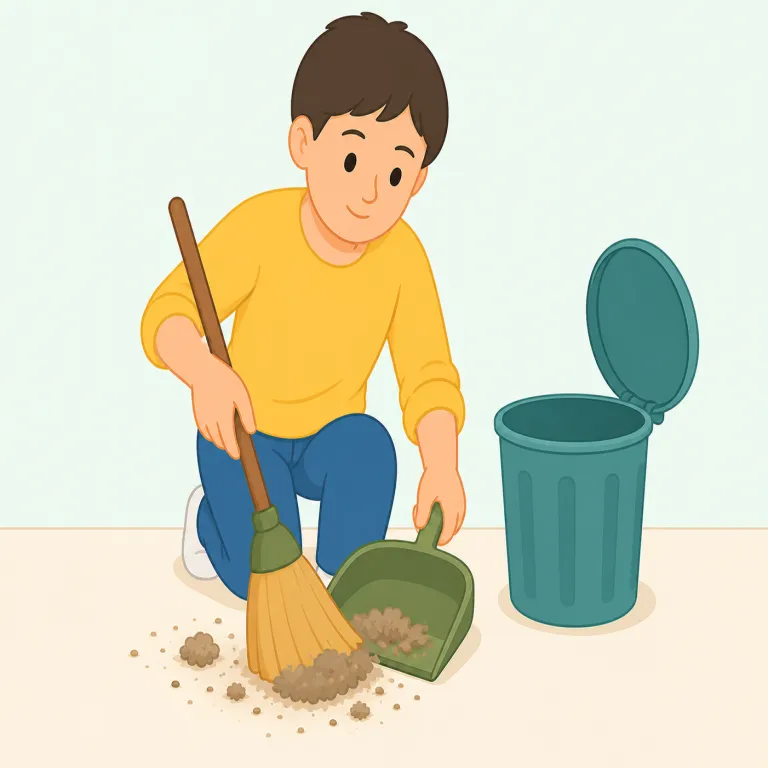
I rid my room of dust.
私は部屋のほこりを取り除きます。
We rid the box of bugs.
私たちは箱から虫を取り除きます。
She rid her bag of trash.
彼女はかばんからごみを取り除きました。
rid の類義語・関連語
rid の語源・成り立ち Etymology
古英語 *ryddan、または古ノルド語 ryðja「土地を片づける・障害物を除く」にさかのぼる語です。もとは場所を“きれいに空ける”感覚で、そこから「取り除く」の意味になりました。関連語は riddance、rid of です。
Rid goes back to Old English ryddan and is also linked to Old Norse ryðja, both meaning to clear land or remove obstacles. The early sense was making a place empty or clean by taking things away. From that, it developed into the general meaning of removing something unwanted. Related forms include riddance and the phrase rid of.
同じレベルの英単語をもっと
英検2級の一覧へ →外部辞書で調べる
この単語を英単語クイズで覚えよう