riddle
riddle は英検準1級レベルの英単語で、「なぞなぞ、謎、穴だらけにする」という意味があります。発音記号は /ˈrɪdəl/ です。
意味一覧 (3件)
なぞなぞ
解説 Definition
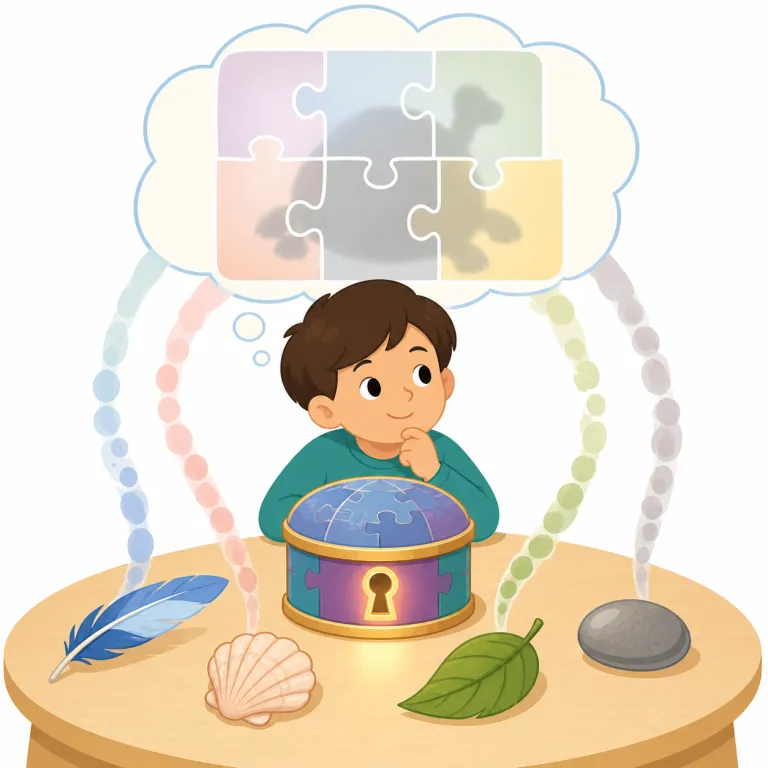
なぞなぞは答えがひねりのある言葉やヒントから導き出される問いかけです。しばしば子どもたちの遊びとして出題され、解く側の思考力や発想力を試します。考える楽しさや意外な答えに気づく瞬間を味わうために用いられる表現です。
A riddle is a question or statement that is meant to be puzzling and makes you think of the answer. It is often used as a word game or for fun. Some riddles are simple, while others are clever and difficult.
覚え方のコツ Memory Tip
riddle は「考えて解く問い」として覚えると定着しやすい。quiz が知識を問うことが多いのに対し、riddle は言葉のひねりや発想の転換で答えにたどり着くタイプ。solve a riddle, tell a riddle, ask me a riddle の形でよく使う。puzzle はもっと広くパズルや難問全般、riddle は特に短い「なぞなぞ」。答えを聞いた瞬間に「そう来るか」となる会話場面と結びつけると忘れにくい。
A `riddle` is usually a short question with a clever twist, not just a test of knowledge. That helps separate it from `quiz`, which often checks facts, and from `puzzle`, which is wider. Remember easy collocations like `solve a riddle` and `tell a riddle`.
例文
The children laughed as they tried to solve each riddle at the party.
子どもたちはパーティーでなぞなぞを解こうとしながら笑い声を上げた。
Can you answer this riddle: what has hands but cannot clap?
このなぞなぞに答えられますか。「手はあるのに拍手できないものは何ですか。」
During the quiz show, she challenged the audience with clever riddles.
クイズ番組で彼女は巧妙ななぞなぞを観客に出題した。
えいたんごクイズでの正答率
この語をはじめて出題された 31人 のうち 24人 が正解しました(77%)。
えいたんごクイズの回答から集計した独自データです。1人につき最初に出題されたときの1回だけを数えており、復習や2回目以降の回答、「わからない」と時間切れは含みません。 集計時点は 2026年9月19日 です。
謎
(意味 2)
解説 Definition
物事の正体や理由がはっきりせず、考えても簡単には分からない状態を表す名詞です。事件・現象・人の言動などについて使われます。遊びとしての「なぞなぞ」ではなく、未解明の問題や不可解さそのものを指す語です。
Something whose nature or cause is difficult to understand or explain. It can be an unexplained event, a scientific problem, or someone's puzzling behavior.
覚え方のコツ Memory Tip
riddle は「答えがまだ見えない謎」として覚えると定着しやすい。tell a riddle のような遊びのなぞなぞではなく、原因や正体が分からず人を悩ませる未解明の問題を指す。remain a riddle, solve the riddle of ..., a scientific riddle の形でよく使う。mystery に近いが、riddle は「解けそうで解けない問い」が残っている感じ。失踪事件や宇宙の暗黒物質のように、答えを探して調べ続ける場面と結びつけると忘れにくい。
Picture an unexplained disappearance that investigators keep trying to understand. Remember 'remain a riddle' and 'solve the riddle of' as phrases about a question whose answer is still hidden.
例文
The disappearance remains a riddle.
その失踪は今も謎のままだ。
Scientists are trying to solve the riddle of dark matter.
科学者たちはダークマターの謎を解こうとしている。
His sudden change in attitude was a riddle to his friends.
彼の突然の態度の変化は友人たちにとって謎だった。
えいたんごクイズでの正答率
この語をはじめて出題された 34人 のうち 26人 が正解しました(76%)。
えいたんごクイズの回答から集計した独自データです。1人につき最初に出題されたときの1回だけを数えており、復習や2回目以降の回答、「わからない」と時間切れは含みません。 集計時点は 2026年9月19日 です。
穴だらけにする
(意味 3)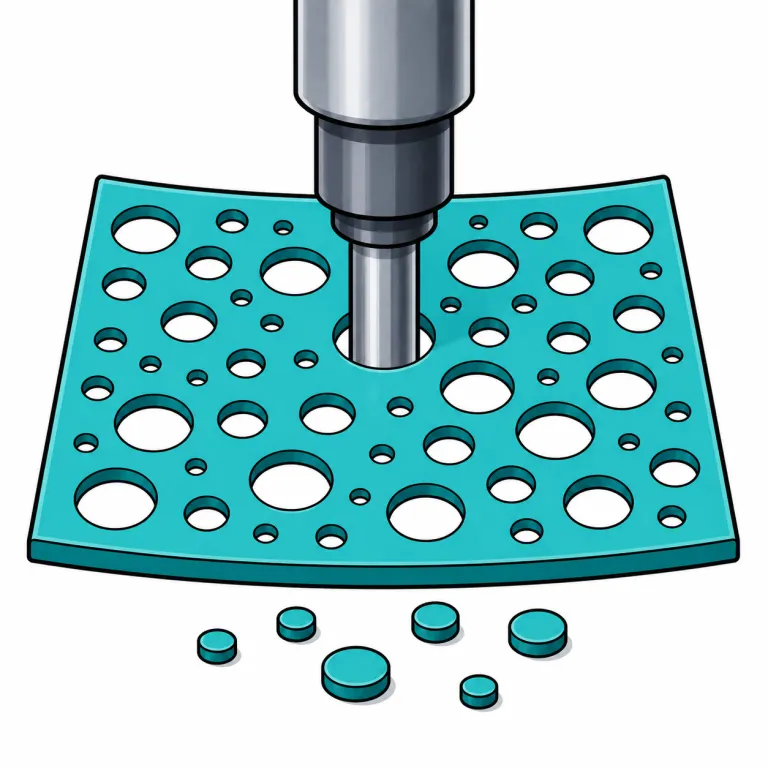
解説 Definition
riddle は、物に多数の穴をあける、または弾丸などで穴だらけにするという意味の動詞です。比喩的に、文章や計画などが誤りや問題で満ちていることを表す場合にも使われます。
To make many holes in something, especially with bullets or flying fragments. It can also describe errors or problems occurring throughout a report, plan, or other thing.
覚え方のコツ Memory Tip
riddle は動詞では「小さな穴をたくさんあける」と覚えると切り分けやすい。名詞の riddle「なぞなぞ」とは別で、弾丸や破片が面を何度も貫いて、壁や車体が穴だらけになる場面に使う。be riddled with bullet holes, shrapnel riddled ... の形でよく出る。one hole ではなく、点々と穴が散らばるイメージ。撃たれた壁に無数の弾痕が残る映像と結びつけると忘れにくい。
Picture a wall covered with small holes after many bullets have passed through it. Remember 'be riddled with bullet holes': the important image is holes scattered across the surface. The same pattern helps you picture a report full of errors.
例文
The old wooden sign was riddled with bullet holes.
その古い木の看板は弾痕で穴だらけにされていた。
Heavy rain began to riddle the soft ground with small holes.
激しい雨が柔らかい地面を小さな穴だらけにし始めた。
Errors riddled the report, so we rewrote it.
その報告書は誤りだらけだったので、私たちは書き直した。
riddle の類義語・関連語
派生語
紛らわしい語
riddle の語源・成り立ち Etymology
riddle は古英語 rǣdels「謎、解くべきもの」に由来し、語根は rǣdan「解釈する、読み解く」です。つまり riddle は最初から「答えを読んで見抜くもの」という発想の語で、ただの質問ではなく知恵比べの感じがあります。関連語は read, rede。
Riddle comes from Old English raedels, meaning something to be interpreted or solved. It is connected with raedan, a verb meaning "to explain, advise, or interpret," which is also related in history to read. The original idea was not just a question, but something that needed careful understanding and decoding. An older related English word is rede.
同じレベルの語彙をもっと
英検準1級の一覧へ →外部辞書で調べる
この英単語をクイズで覚えよう