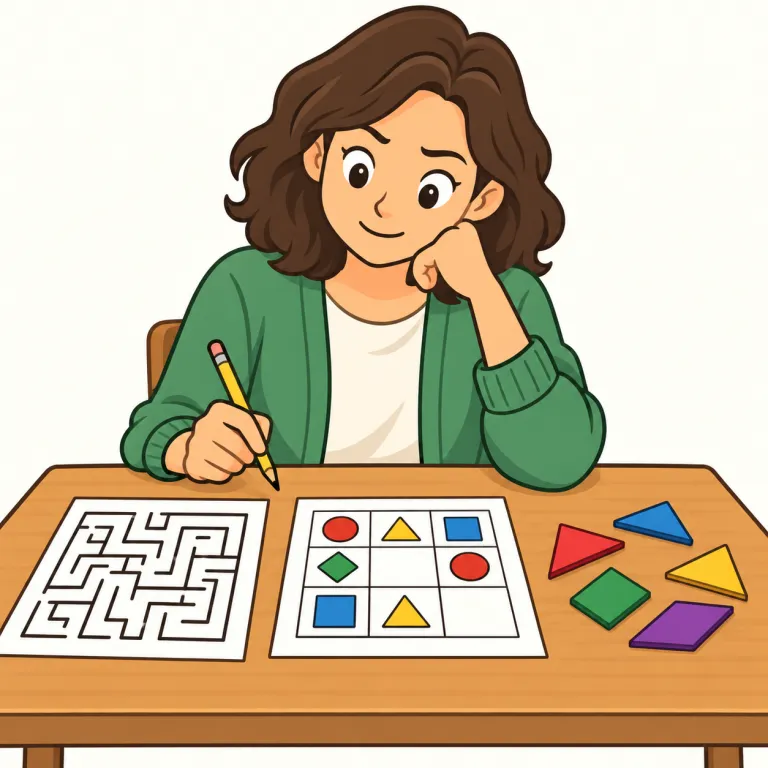
難問
解説 Definition
理解しがたい問題や人、謎めいた事象。またはパズル解きを趣味とする人を指す。
A puzzler is a problem, question, or situation that is difficult to understand or solve. The word is often used in an informal way for something that makes people think hard or feel confused.
覚え方のコツ Memory Tip
puzzle が分かればかなり覚えやすい語です。-er は「する人」だけでなく「そういうもの」を作る語尾なので、puzzler は「人を puzzle させるもの」→難問・頭を悩ませるもの、という流れで取れます。会話では That's a puzzler. の形で「これは難しいな」「不可解だ」の感じで出やすいです。なお puzzle は単なる「パズル」全般ですが、puzzler は特に一筋縄でいかない厄介さが強め。また「パズル好きの人」を指すこともあるので、文脈で「難問」か「人」かを見分けるのがコツです。
If you know `puzzle`, then `puzzler` is something that causes puzzling. The ending `-er` can mean not only a person, but also a thing that does something. Remember the spoken pattern `That's a puzzler` for a problem that is especially hard or puzzling.
例文
That mathematical problem is quite a puzzler.
その数学の問題はかなり難解だ。
He is a puzzler who enjoys solving complex riddles.
彼は複雑な謎解きを楽しむパズル好きだ。
The unexpected result was a real puzzler to the scientists.
その予想外の結果は科学者たちにとってまさに謎だった。
puzzler の類義語・関連語
puzzler の語源・成り立ち Etymology
puzzler は puzzle + -er で、puzzle はおそらく古い英語 pose「当惑させる」に由来し、古フランス語 poser「置く」へさかのぼります。pose や propose と同じ「置く」の系列だと見ると、問題を前に置かれて立ちすくむものが puzzler だと腑に落ちます。
Puzzler comes from puzzle plus the ending -er. Puzzle is probably connected to an older English verb pose, meaning to confuse or perplex, from Old French poser, "to place" or "to put." That same root appears in pose and propose, and the idea may be of putting a difficult problem in front of someone.
同じレベルの語彙をもっと
外部辞書で調べる
この英単語をクイズで覚えよう