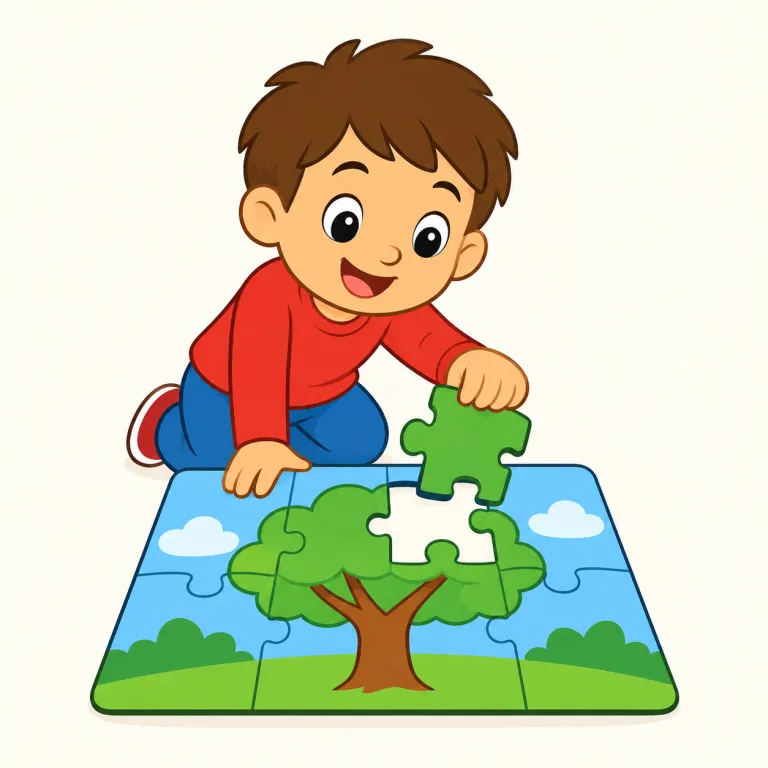
パズル
解説 Definition
puzzle は、考えて解く問題やパズルという意味です。日本語の「パズル」とほぼ同じですが、英語ではクロスワードや数独のような頭を使う問題にも広く使われます。
A puzzle is a problem, game, or activity designed to test ingenuity or knowledge and to be solved through thought. It can include a jigsaw, crossword, number problem, riddle, or any puzzling question with an answer or arrangement to discover.
覚え方のコツ Memory Tip
puzzle は日本語の「パズル」より範囲が広く、ジグソーパズルだけでなく crossword puzzle や number puzzle など、考えて答えを出す問題全般に使えます。solve a puzzle「パズルを解く」、finish a puzzle「完成させる」という動詞との組み合わせで、頭を悩ませてから解決する場面を覚えましょう。
Do not limit puzzle to the Japanese loanword's strongest image of fitted pieces. In English, the noun covers many things that make you think: a jigsaw puzzle, crossword puzzle, number puzzle, riddle-like problem, or unexplained question. Learn it with its most useful verbs. You solve a puzzle when you discover the answer, finish a puzzle when you complete its parts, and find a puzzle easy or difficult. The memory core is “something arranged to challenge the mind,” whether its pieces are physical, verbal, numerical, or conceptual.
例文
This puzzle is easy.
このパズルは簡単です。
I bought a new puzzle yesterday.
昨日、新しいパズルを買いました。
My sister finished the puzzle before dinner.
妹は夕食前にそのパズルを完成させました。
puzzle の類義語・関連語
puzzle の語源・成り立ち Etymology
16世紀英語で「当惑させる」意の動詞 puzzle から派生。語源は不確かだが、古フランス語 aposer(困らせる)や中英語 poselen(混乱させる)との関連が指摘される。oppose(反対する)と遠縁の可能性がある。「頭を悩ませるもの」が原義で、謎解きや知恵遊びの意味に転じた。
Puzzle is recorded in English from the late sixteenth century, first in verbal senses involving perplexing or confusing and then as a noun for something that causes thought or uncertainty. Its deeper source is not certain. Connections have been proposed with earlier words such as Middle English poselen or French forms associated with placing a difficult question, but these explanations remain disputed. The modern noun developed naturally from the idea of something that perplexes.
同じレベルの語彙をもっと
外部辞書で調べる
この英単語をクイズで覚えよう