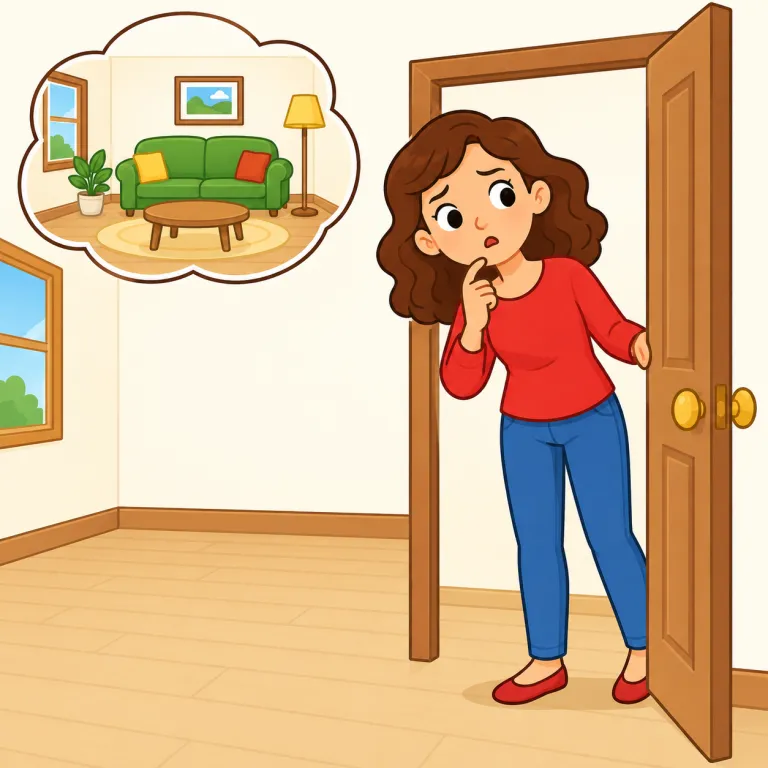
困惑した
解説 Definition
puzzled は puzzle(困惑させる)の過去形・過去分詞で、形容詞としては「困惑した、戸惑った」という意味です。理由がわからず考え込んでいる表情や気持ちを表すときによく使われます。
Puzzled describes someone who is confused because they cannot understand, explain, or make sense of something. It often suggests thoughtful uncertainty rather than fear or complete mental disorder.
覚え方のコツ Memory Tip
原形 puzzle「困惑させる」に -d を付けた過去形・過去分詞で、puzzled /ˈpʌzəld/ となります。-ed は「困惑させられた状態」を示します。a puzzled look、be puzzled by、look puzzled の形で、理由や説明が理解できず考え込む人を想像しましょう。puzzling は困惑を生じさせる物事、puzzled はそう感じる人です。
Start with the verb puzzle, “to confuse someone,” and add d because the base already ends in e. Puzzled is pronounced /ˈpʌzəld/, with the -ed ending forming a separate /d/ sound after the unstressed syllable. Think of a person staring at unclear instructions with a puzzled expression. Useful patterns are “look puzzled,” “be puzzled by something,” and “a puzzled look.” Keep the -ed/-ing contrast clear: a person feels puzzled, while an unclear instruction or strange event is puzzling because it causes that feeling.
例文
She looked puzzled when she saw the empty room.
彼女は空っぽの部屋を見て困惑した様子でした。
I was puzzled by his sudden change of plan.
彼の突然の計画変更に私は戸惑いました。
The students were puzzled because the instructions were unclear.
指示がはっきりしていなかったので、学生たちは困惑していました。
puzzled の類義語・関連語
puzzled の語源・成り立ち Etymology
語源不詳だが、16世紀英語 pose/oppose(困らせる)から派生した puzzle に由来するとされる。-ed で「困惑させられた状態」を表す形容詞化。関連語:puzzle(パズル)、puzzling(不可解な)。「問題に直面して頭を悩ませる」イメージが核にある。
Puzzled is the past-tense and past-participle form of puzzle, with -ed marking the resulting state. Puzzle appeared in English in the late sixteenth century, but its earlier origin is uncertain. It may be connected with the older verb pose in the sense “to question or perplex,” though this history is not firmly established. The adjective developed straightforwardly from the verb: someone who has been puzzled is left confused and trying to understand.
同じレベルの語彙をもっと
外部辞書で調べる
この英単語をクイズで覚えよう