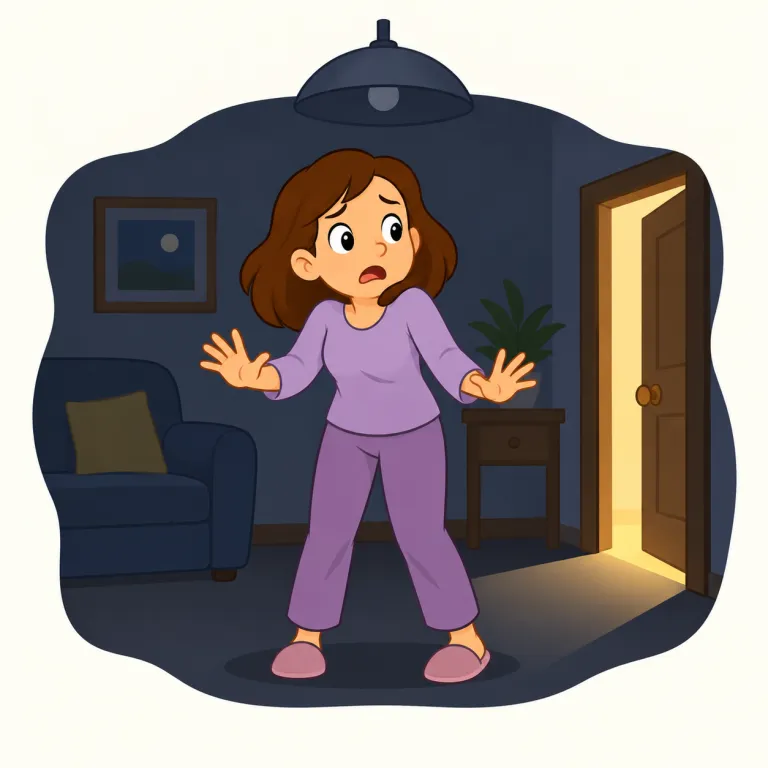
当惑した
解説 Definition
bewildered は bewilder(当惑させる)の過去分詞から来た形で、当惑した、困惑したという意味です。何が起きているのか理解できず、戸惑っている様子を表します。
Unable to understand what is happening or what to do, and therefore feeling very confused and uncertain. It often describes a person’s expression or reaction when a situation is unexpectedly complicated, unfamiliar, or disorienting.
覚え方のコツ Memory Tip
bewildered は bewilder「当惑させる」に -ed を付けた過去分詞で、形容詞として「当惑した」を表します。語末が er なのでそのまま -ed を加え、発音の末尾は /d/ です。feel / look bewildered や be bewildered by signs の形で覚え、confused よりも「状況が理解できず途方に暮れる」感じを意識しましょう。
Connect bewildered with the base verb bewilder, “to make someone deeply confused.” It is formed by adding -ed, with no spelling change, and the ending is pronounced /d/. The older image behind the word is of being led into wild, unfamiliar country and losing one’s way; use that as a truthful memory aid for mental confusion. Learn feel bewildered, look bewildered, and be bewildered by something. Compared with confused, bewildered often suggests stronger disorientation and uncertainty about what is happening or what to do next.
例文
She looked bewildered when the lights suddenly went out.
突然明かりが消えたとき、彼女は当惑した様子でした。
The bewildered child could not find his classroom.
当惑したその子どもは自分の教室を見つけられませんでした。
I felt bewildered by the many signs in the station.
駅にたくさんの表示があり、私は戸惑いました。
bewildered の類義語・関連語
類義語
派生語
bewildered の語源・成り立ち Etymology
bewildered は be- + wilder の形で、中英語 bewilderen「荒野に迷い込ませる」から来ています。wild や wilderness と同根で、もとは「道を失う」が、そこから「頭が混乱して当惑した」という意味になりました。
Bewildered is the past participle of bewilder and is widely used as an adjective. It is formed by adding -ed to the verb, without changing its spelling. Bewilder arose in English from be- combined with wilder, a verb associated with leading someone astray or into wild country. Its literal image of losing one’s way developed into the figurative sense of causing mental confusion. Wild and wilderness help preserve the historical association with unfamiliar, pathless surroundings.
同じレベルの語彙をもっと
外部辞書で調べる
この英単語をクイズで覚えよう