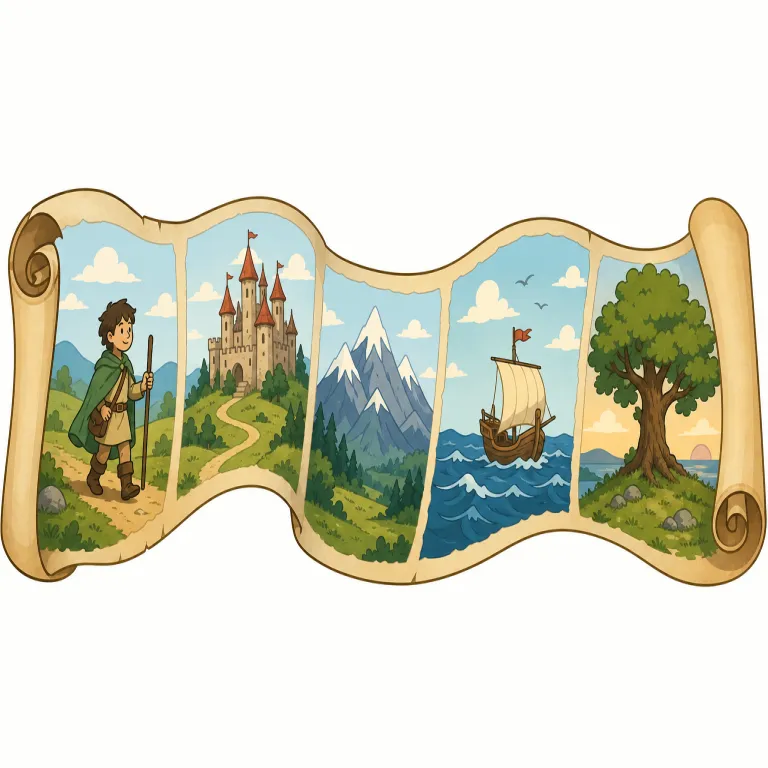
長く複雑な一連の出来事
noun 名詞長期間にわたって次々と起こる、複雑でしばしば厄介な一連の実際の出来事を指します。the legal saga などの形で使い、創作上の長編物語ではなく、決着までの長い経緯を強調します。
長編の冒険小説や歴史物語のこと。複数の登場人物による壮大な物語で、世代を超えて受け継がれることが多いです。スカンジナビア文学で特に有名な形式です。
A saga is a long story, often involving many events, people, or years. It can describe an epic tale in books or films, or a long and complicated real-life situation. The word often suggests something dramatic or extended.
story より長く、novel より「一族・時代・冒険が連なる大きな物語」を感じる語として覚えると残りやすいです。epic saga, family saga の形でよく見かけ、1人の出来事より世代や長い経過に注目するのがコツ。現代では「トラブルが延々続く一連の騒動」という皮肉っぽい言い方でも使われるので、「長く続くドラマ」という芯を押さえると意味がぶれません。
A `saga` is usually bigger and longer than a simple `story`. Think of common phrases like `family saga` or `epic saga`, which suggest a long chain of events across time. Even in modern news, it often keeps that feeling of a long drama that does not end quickly.
The saga spans several generations.
その物語は何世代にもわたっています。
Norse sagas tell tales of Vikings.
北欧のサガはバイキングの物語を語ります。
Many readers call this family saga a classic.
多くの読者が、この一族の物語を名作と呼んでいます。
文脈によって、次の意味でも使われます。
長期間にわたって次々と起こる、複雑でしばしば厄介な一連の実際の出来事を指します。the legal saga などの形で使い、創作上の長編物語ではなく、決着までの長い経緯を強調します。
sagaは古ノルド語saga「語られたこと、物語」に由来し、動詞segja「言う」から生まれた語です。もともと「語って伝える話」だったと知ると長い英雄譚の響きが見え、英語のsayやsayingとも遠い親類です。
Saga comes from Old Norse saga, meaning "something said" or "a story," from segja, "to say." At first it referred to stories told aloud and passed down by speech. That history gave the word its strong link with long traditional narratives; it is distantly related to English say and saying.
この英単語をクイズで覚えよう