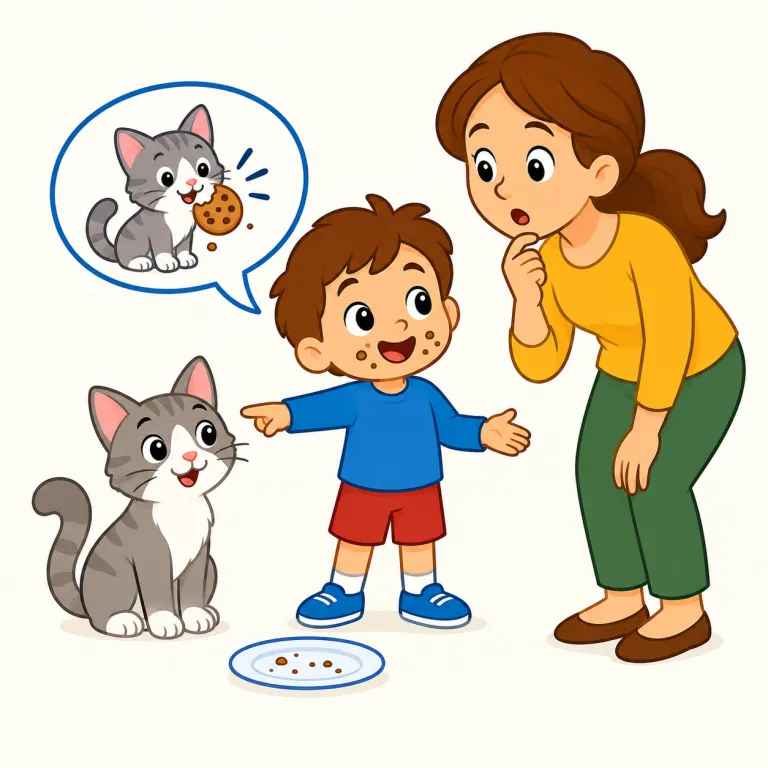
嘘をつくこと
解説 Definition
lying は lie(嘘をつく)の現在分詞・動名詞です。この項では「嘘をつくこと」という行為を表します。嘘をつく人そのものを指す場合は、通常 liar を使います。
Lying is the present participle or gerund of lie in the sense of saying something that one knows is untrue. As a noun-like gerund, it refers to the act or practice of telling lies, not to a person who lies.
覚え方のコツ Memory Tip
lying は lie「嘘をつく」の現在分詞・動名詞です。語末の ie を y に変えて -ing を付け、lie → lying となり、発音は /ˈlaɪɪŋ/ です。Lying is wrong や stop lying のように「嘘をつく行為」を表し、人そのものをいう liar「嘘つき」と区別します。
Connect lying to the verb lie, meaning “to say something untrue.” Before -ing, final ie changes to y, so lie becomes lying, pronounced /ˈlaɪɪŋ/. Use it in patterns such as Lying is wrong, stop lying, and lying to your parents. These examples treat dishonesty as an action or ongoing behavior. Do not use lying for the person: a person who tells lies is a liar. Also watch the different verb lay, whose -ing form is laying, and remember that lying can separately come from lie meaning “to rest horizontally,” depending on context.
例文
Lying is not good.
嘘をつくのはよくありません。
He stopped lying to his parents.
彼は両親に嘘をつくのをやめました。
Lying can hurt your friends.
嘘をつくと友だちを傷つけることがあります。
lying の語源・成り立ち Etymology
lying は lie「うそをつく」に -ing が付いた形で、語源は古英語 lyge・leogan にさかのぼります。ゲルマン系の「事実でないことを言う」という核がそのまま残り、「嘘をつくこと/虚偽」という意味になるので形と意味が結びつきやすい語です。関連語は lie, liar。
Lying is formed from lie by changing final ie to y and adding -ing. The relevant verb comes from Old English leogan, “to tell a falsehood,” with related noun forms including lyge, “a lie.” It belongs to an old Germanic word family concerning false statements. The modern -ing form can mark an action in progress or function as a gerund naming the practice of deliberately saying what is not true.
同じレベルの語彙をもっと
外部辞書で調べる
この英単語をクイズで覚えよう