化粧をした
adjective 形容詞顔や目などに化粧が施されていることを表す。made-up face や made-up eyes のように用い、heavily made-up の形では、厚化粧をした様子を表す。
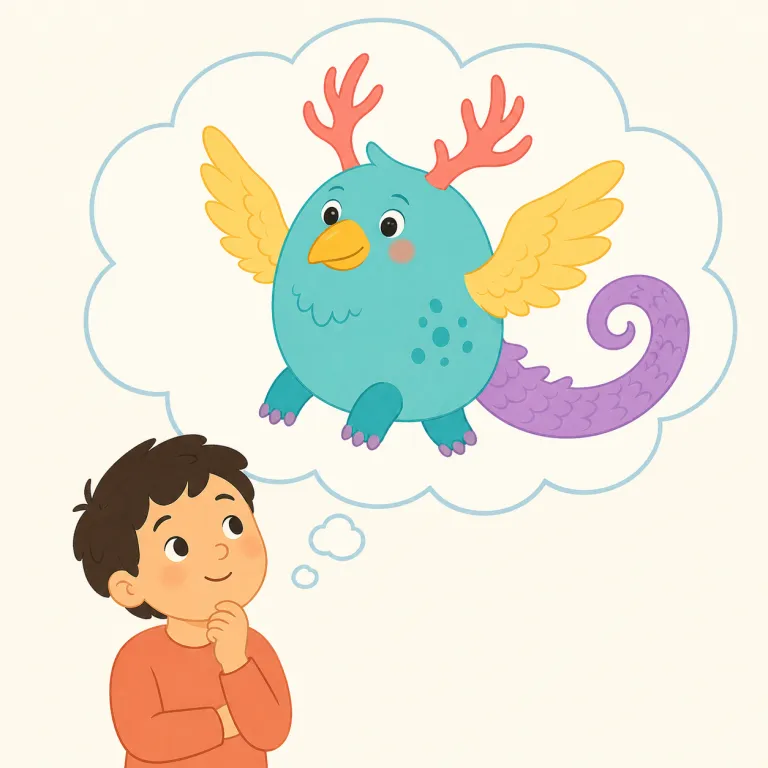
事実ではなく、想像によって作られたことを表す。話、人物、名称などによく用いる。
Something described this way has been invented through imagination and is not real or factual. This adjective often describes stories, characters, or names.
make up には「話などを作り上げる」という意味があり、その結果を表す made-up は「作られた、架空の」となります。a made-up story「作り話」、a made-up name「架空の名前」をセットで覚えましょう。化粧をしたという意味の made up もありますが、名詞の前の made-up は文脈上「架空の」が典型です。
Connect made-up with "make up a story," meaning to invent a story. Remember "a made-up story" and "a made-up name" as things someone has created in their imagination.
The story is completely made-up.
その話は完全な作り話だ。
She used a made-up name on the website.
彼女はそのサイトで架空の名前を使った。
The film takes place in a made-up country.
その映画の舞台は架空の国だ。
文脈によって、次の意味でも使われます。
顔や目などに化粧が施されていることを表す。made-up face や made-up eyes のように用い、heavily made-up の形では、厚化粧をした様子を表す。
非常にうれしく満足している状態を表す、くだけたイギリス英語の用法。通例 be made up の形を取り、出来事については be made up about、行為については be made up to do などと続ける。
句動詞 make up「作り上げる、でっち上げる」の過去分詞 made up が形容詞化し、名詞の前で使いやすいようハイフンで結ばれた形です。「作り上げられた」から「架空の」という意味になりました。
This adjective developed from made up, the past participle of the phrasal verb make up, meaning "invent." The words are joined with a hyphen when used before a noun.
この英単語をクイズで覚えよう