フェイスパック、顔用マスク
noun 名詞主に化粧品名や美容の文脈で、顔に塗ったり載せたりして一定時間置くパック剤を指す。mask の装飾的な異綴りとして製品表示などに使われ、歴史的な仮面劇を表す語義とは異なる。
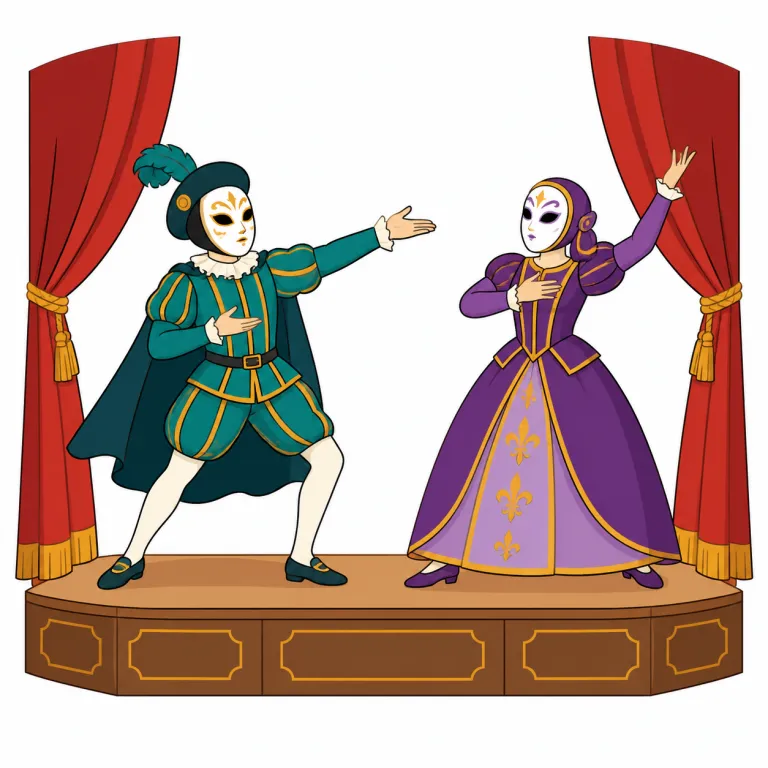
主に16世紀から17世紀にイギリスで流行した演劇形式。登場人物たちが仮面をつけ、歌・ダンス・会話を交えて演じた豪華な舞台作品。
A masque is a type of old court entertainment with music, dancing, costumes, and spoken parts. It was especially popular in Europe in the 16th and 17th centuries. The word is mainly used in literary, historical, and theater contexts.
masque を見たら、まずやさしい mask を土台にすると覚えやすいです。つづりが古風に -que へ伸びた形ですが、核のイメージは同じく「仮面」。ただし masque は仮面そのものではなく、仮面をつけて歌・踊り・会話を交える豪華な舞台作品を指す語です。masquerade が「仮装舞踏会・仮装する」なので、その親戚で、より歴史的・宮廷的な演劇名が masque と整理すると残りやすいです。日常語の mask と取り違えないのがポイントです。
Build it from the easier word `mask`. The old-looking ending `-que` makes it feel historical and theatrical. You can also connect it with `masquerade`: both have the idea of masks, but `masque` belongs more to an old court performance than daily use.
The Renaissance masque was a popular form of entertainment at court.
ルネサンス期の仮面劇は、宮廷で人気のある娯楽形式だった。
Ben Jonson wrote several masques for King James I.
ベン・ジョンソンはジェームズ1世のために複数の仮面劇を執筆した。
The elaborate costumes and masks were essential to the masque tradition.
精巧な衣装と仮面は仮面劇の伝統に不可欠であった。
文脈によって、次の意味でも使われます。
主に化粧品名や美容の文脈で、顔に塗ったり載せたりして一定時間置くパック剤を指す。mask の装飾的な異綴りとして製品表示などに使われ、歴史的な仮面劇を表す語義とは異なる。
masque はフランス語 masque から入った語で、イタリア語 maschera「仮面」と近い仲間。もともと仮面を着けて踊りや芝居をする催しを指したため、「仮面」そのものではなく「仮面劇」の意味が育った。関連語は mask, masquerade。
Masque came into English from French masque and is closely related to Italian maschera, meaning "mask." It first referred to entertainments where people wore masks for dancing and acting. Because of that, the meaning shifted from the mask itself to a kind of masked court performance. Related English words include mask and masquerade.
この英単語をクイズで覚えよう