mire
mire は英検1級レベルの英単語で、「ぬかるみ、泥沼、陥らせる、はまり込ませる」という意味があります。発音記号は /ˈmaɪr/ です。
意味一覧 (2件)
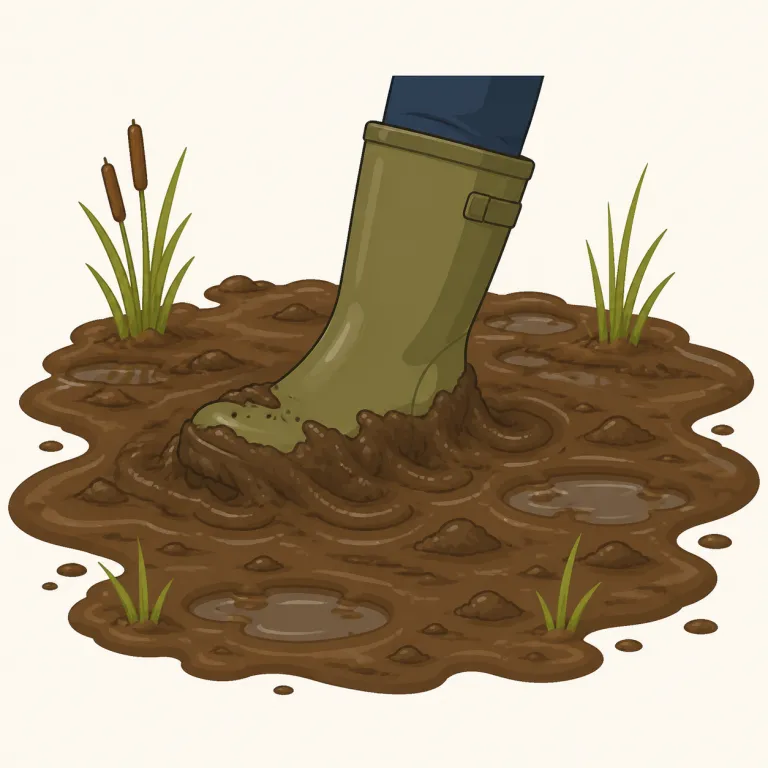
ぬかるみ、泥沼
解説 Definition
水を多くふくんだやわらかい土や泥で、足や車が沈みこんで動きにくくなる場所を表します。雨のあとや沼地などにできる、ぐちゃぐちゃした地面のことです。
A mire is a soft, wet area of mud or swampy ground where feet, animals, or vehicles can sink. It refers to real muddy ground, not a figurative problem.
覚え方のコツ Memory Tip
mire は雨水を含んで足や車輪がずぶずぶ沈む「ぬかるみ・泥沼」です。単なる mud(泥そのもの)より、泥でできた動きにくい場所や状態に意識を向けると区別しやすいです。deep mire(深いぬかるみ)、struggle through the mire(ぬかるみを苦労して進む)、sink into the mire(泥沼へ沈む)を一組で覚えましょう。大雨の後の道で、長靴が冷たい泥に取られて一歩ごとに抜けにくくなる場面を固定すると、湿った地面を指す bog や marsh とも混同しにくくなります。
Imagine your shoes sinking into wet mud after rain. That soft, sticky ground is a mire.
例文
The horse struggled through the deep mire.
馬は深いぬかるみの中を苦労して進みました。
After the heavy rain, the path turned into mire.
大雨のあと、その道はぬかるみになりました。
His boots sank into the cold mire.
彼のブーツは冷たい泥沼に沈みこみました。
陥らせる、はまり込ませる
(意味 2)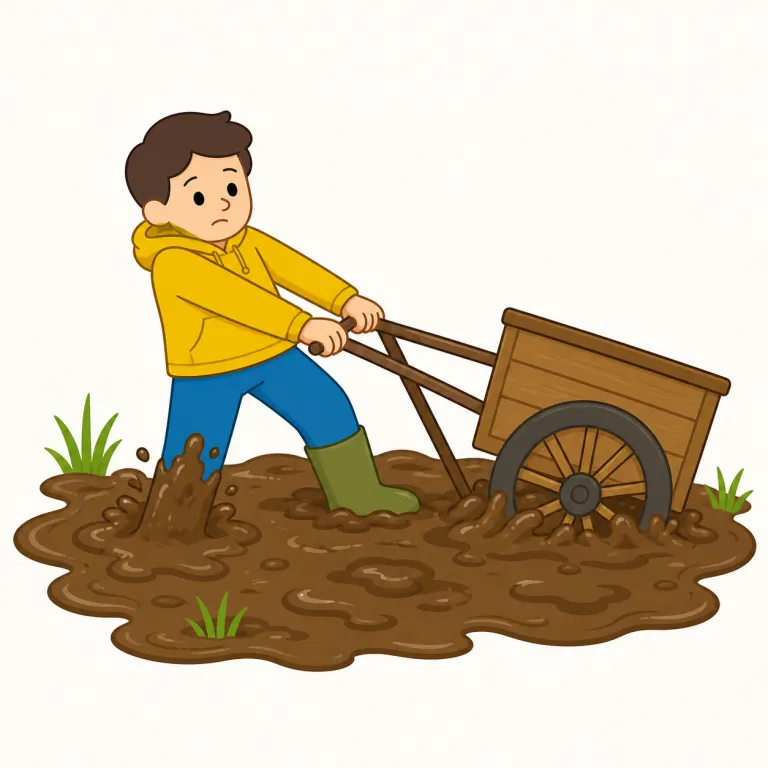
解説 Definition
人や物事を困難で抜け出しにくい状態に追い込むことを表す動詞。もとは泥沼にはまるイメージから来ており、実際の泥だけでなく、論争・手続き・遅延などの厄介な状況に巻き込まれる場合にも比喩的によく使われる。
To mire someone or something means to cause them to become stuck in a difficult or unpleasant situation. It originally relates to being trapped in mud, and that physical idea is still felt in the word. It is often used in formal or news-style writing.
覚え方のコツ Memory Tip
mire は『ぬかるみに足を取られて、前に進めない』場面を頭に置くと残りやすいです。意味は単なる trap よりも、『困難にずぶずぶはまり、抜け出しにくい状態にする』感じ。ニュースでは be mired in debt, controversy, delays の形が多く、『借金・論争・遅延にはまる』とセットで覚えると強いです。似た stuck より文章語で、問題が長引いて重く絡みつくニュアンスが出ます。mire A in B なら『AをBにはまり込ませる』です。
Picture your feet sinking into wet mud and getting stuck. `Mire` carries that image of being pulled into trouble and not moving forward easily. It often appears in phrases like `mired in debt` or `mired in controversy`.
例文
The scandal mired the company in controversy.
その不祥事で会社は論争に巻き込まれました。
We became mired in bureaucratic procedures and couldn't move forward.
私たちは官僚的な手続きにはまり込み、前に進めなくなりました。
The project got mired in endless negotiations and delays.
その計画は終わりのない交渉と遅れにはまり込んでしまいました。
mire の類義語・関連語
類義語
紛らわしい語
mire の語源・成り立ち Etymology
古い北欧語や英語にあった、湿った低い土地や沼地を表す語に由来します。昔から、水をふくんで足を取られるような泥の場所を指す言葉として使われてきました。
Mire comes from old Germanic words for wet, swampy ground. It has long been used for muddy places where movement is difficult.
同じレベルの語彙をもっと
英検1級の一覧へ →外部辞書で調べる
この英単語をクイズで覚えよう