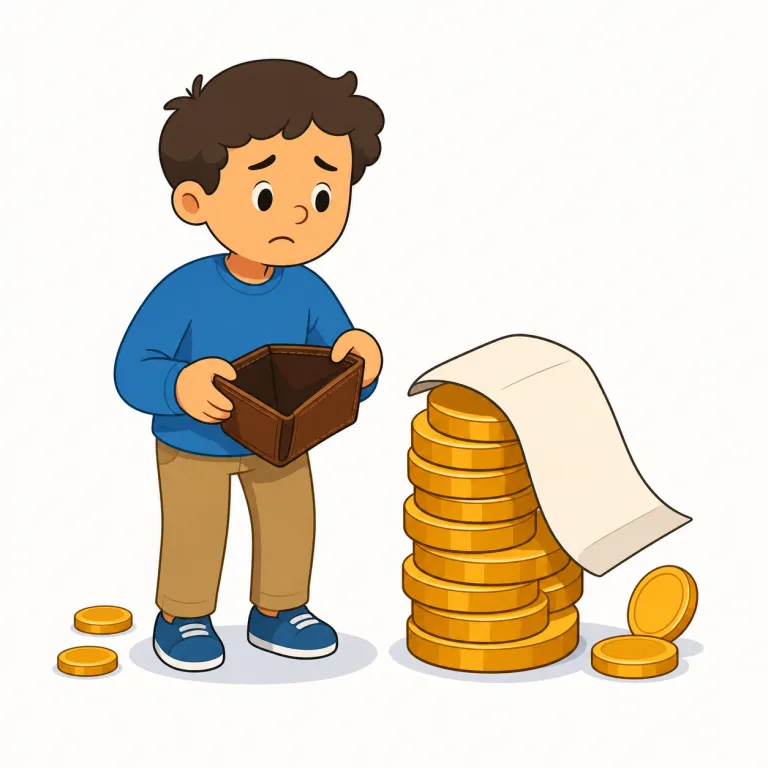
debt
debt は英検準2級・TOEIC 730・TOEFL 60・IELTS 5.5レベルの英単語で、「借金、借金、負債」という意味があります。発音記号は /dɛt/ です。
意味一覧 (2件)
借金
解説 Definition
お金や物を借りた人が返すべき金銭上の義務。借金がある状態、または負債を意味します。
Debt is money that a person, company, or country owes to someone else. It is commonly used in finance, banking, and everyday life when talking about loans, credit cards, or unpaid bills. The word can also suggest a difficult financial situation if the amount is large.
覚え方のコツ Memory Tip
debt は debit(口座から引き落とす)や due(支払うべき)と並べると覚えやすい語です。中心イメージは「今あるお金」ではなく「返済義務が残っている状態」。loan が「借りたお金そのもの」を指しやすいのに対し、debt は in debt, pay off a debt, national debt のように、負債という状態や総額でよく出ます。つづりの b は発音しないので、音は det に近いと意識し、スペルだけ注意して定着させると混乱しません。
Connect `debt` with `debit` and `due`: all relate to something owed or payable. Learn `in debt` as one chunk, and contrast `debt` with `loan`: a loan is money borrowed, while debt is what remains owed. The `b` is silent, so the word is pronounced like `det`.
例文
I have a small debt.
私は少し借金があります。
He pays some of his debt each month.
彼は毎月、借金の一部を返します。
This debt is not big.
この借金は大きくありません。
借金、負債
(意味 2)
解説 Definition
他人や組織に返済・支払いをしなければならない金銭上の借りを指すのが基本で、家計・企業・国家の負債について広く使われる。比喩的に、受けた親切や支援に対して返すべき恩義や義理を表すこともある。
Debt is money that a person, company, or country owes to someone else. It is commonly used when talking about loans, credit, and financial problems. The word can also describe a feeling that you should repay help or kindness.
覚え方のコツ Memory Tip
まず "in debt" をひとかたまりで覚えると定着しやすいです。意味は「借金がある状態」。動詞ではなく、抱えている状態を表す名詞だと意識すると整理できます。金融文脈では debit と並べて見る機会が多く、「支払う側・負う側」の語群としてつなげると記憶しやすいです。loan は「借りたお金そのもの」、debt は「返さねばならない負債」という感覚。pay off a debt, national debt のような定番表現ごと覚えると実戦で出てきたときに思い出しやすいです。つづりの b は読まないので、見て分かる語として慣れておくのも重要です。
Learn `in debt` as one chunk. It means you are in the state of owing money, not the money itself. Compare it with `loan`: a `loan` is money you borrow, but `debt` is what you still owe. Also remember that the `b` is silent in pronunciation.
例文
He paid the debt last year.
彼は昨年、その借金を返した。
The shop has a large debt.
その店には多額の借金がある。
I owe her a debt of gratitude for her help.
彼女の助けには大きな恩義を感じている。
debt の類義語・関連語
debt の語源・成り立ち Etymology
debt は古フランス語 dette を経て、ラテン語 debitum「支払うべきもの」にさかのぼります。debere「負っている」から出た語で、語中の b は後にラテン語形を意識して書き加えられたため発音されず、debit や due も同じ仲間です。
"Debt" came through Old French dette from Latin debitum, meaning "something owed." It is related to Latin debere, "to owe," and English words like "debit" and "due" come from the same family. The silent "b" was added later in spelling to show its Latin origin, even though people did not pronounce it.
同じレベルの語彙をもっと
英検準2級の一覧へ →外部辞書で調べる
この英単語をクイズで覚えよう