えいたんごクイズ
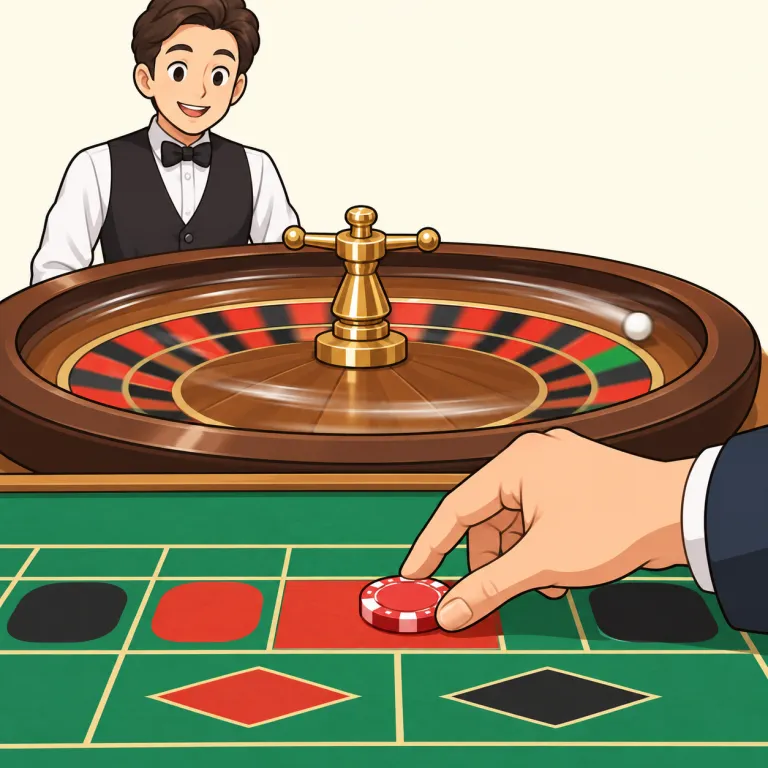
bet(賭ける・動詞)の覚え方イラスト — 「予想にチップを置く動作」と見ると、名詞のbet「賭け」から動詞へ自然につながります

bet

/bɛt/

bet は英検準2級・英検2級・TOEIC 730・TOEFL 60・IELTS 5.5レベルの英単語で、「賭ける、きっと〜だと思う、賭け」という意味があります。発音記号は /bɛt/ です。

意味一覧 (3件)

verb

ける

解説 Definition

動詞betは、まだ分からない結果にお金や物を差し出して「賭ける」動作を表します。bet on the gameのように対象はonで示し、I bet ...では「そう賭けてもいいほど確信している」というくだけた予想になります。

As a verb, "bet" means to risk money or something valuable on a result that is not yet known. The thing or event you choose is often introduced with "on." In casual speech, "I bet..." can also mean that you are very sure about a guess, even when no real money is involved.

覚え方のコツ Memory Tip

「予想にチップを置く動作」と見ると、名詞のbet「賭け」から動詞へ自然につながります。place a betが「賭けを置く」なら、betはその行為そのもの。bet on Aで賭け先、bet that節で予想内容を言えます。gambleより日常的で、I bet you’re tired.は実際に金を払う話ではなく、相手の状況を見て賭けてもよいほど自信がある、という口語表現です。

Think of "bet" as putting a chip on your prediction. If "place a bet" means to put down a wager, then "bet" is the action itself. Use "bet on" for the event or choice, and "bet that" for the idea you expect to be true. In "I bet you’re tired," no money is involved; it means you are very sure about your guess.

例文

He bet ten dollars on the final game.

彼は決勝戦に10ドル賭けた。

I wouldn’t bet against her; she has been training hard.

彼女には賭けないほうがいい。かなり練習してきたから。

I bet you’re hungry after such a long trip.

そんな長旅のあとなら、お腹がすいているでしょう。

verb

きっと〜だとおも

(意味 2)

解説 Definition

会話で I bet ... の形をとり、「たぶん」より強く「きっとそうだ」とかなり確信して述べる意味。実際に賭けをする話ではなく、相手への反応や状況からの推量としてよく使う。くだけた口語表現である。

In conversation, bet is often used in the phrase “I bet ...” to mean that you feel quite sure something is true. It is stronger than saying “maybe” or “probably,” and it often comes from your reaction to a person or situation. In this use, it is informal and does not mean that you are really gambling money.

覚え方のコツ Memory Tip

まず動詞のbet「賭ける」と名詞bet「賭け」は同形だとまとめて覚えると定着しやすいです。名詞では make a bet, place a bet, win/lose a bet のまとまりで覚えると実戦的です。game や match を見てお金や予想を乗せる場面が浮かべば十分。さらに I bet ... は会話で「きっと〜だよ」という強い確信にも広がるので、単なるギャンブル語ではなく、結果に自分の確信を乗せる語だと捉えると記憶に残ります。

First remember that bet can be both a verb and a noun: you can bet on a game, and you can make or lose a bet. Picture someone putting their confidence on the result of a match. Then “I bet ...” becomes easy to understand: you are not using money, but you are putting your strong confidence on what you think is true.

例文

I bet you're tired after such a long trip.

長旅のあとだから、きっと疲れていると思うよ。

She hasn't replied yet, but I bet she's just busy.

まだ返事はないけど、きっと忙しいだけだと思う。

I bet he'll love this restaurant when he tries it.

彼がこの店を試したら、きっと気に入ると思う。

noun

(意味 3)

解説 Definition

名詞betは、一回分の「賭け」や、その条件・約束を数える語です。レースや試合で置いた賭け金だけでなく、友人同士の軽い勝負にも使えます。make, place, win, loseと結びつきやすいのが特徴です。

A bet is an agreement to risk money or something valuable on the result of an event or situation. It is common in gambling, sports, and informal talk about what people think will happen.

覚え方のコツ Memory Tip

名詞では「どちらが当たるかについて結んだ小さな契約」と考えると整理しやすいです。make a betは賭けを成立させる、place a betは賭け金を置く、win/lose a betはその約束に勝つ・負ける感覚です。guessは失うもののない推測、promiseは結果予想に限らない約束。betは外れたら代償を払う点が中心で、動詞betの土台になる名詞です。

`Bet` is easy because the verb and noun look the same: you `bet`, and you make a `bet`. Fix it in memory with chunks like `make a bet`, `place a bet`, `win a bet`, and `lose a bet`. Also connect it with `I bet ...`, which shows strong confidence in spoken English.

例文

He placed a bet on his favorite horse at the race.

彼はレースで自分のお気に入りの馬に賭けをした。

I lost the bet and had to buy everyone dinner.

私は賭けに負けて全員の夕食代を払わなければならなかった。

They made a friendly bet on who would finish first.

彼らは誰が最初に終わるか気軽な賭けをした。

bet を含む表現

句動詞・イディオムなど 4 件。クリックで各表現の詳細へ。

bet の語源・成り立ち Etymology

betは16世紀ごろから見られる英語で、詳しい語源は不明です。abet「けしかける」との関連が論じられ、相手にリスクを取らせる感覚が現在の「賭ける」に通じます。

The word "bet" has been used in English since around the 16th century, but its exact origin is uncertain. Some scholars have connected it with "abet," meaning to encourage or urge someone on, which fits the idea of pushing someone toward taking a risk.

外部辞書で調べる

この単語をシェア

この単語を英単語クイズで覚えよう