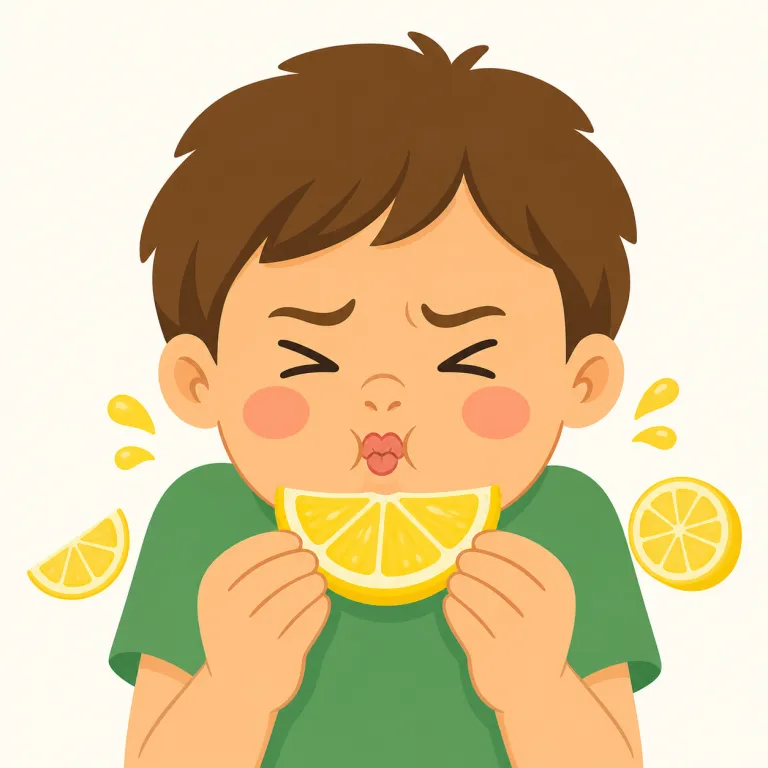
sour
sour は英検6級レベルの英単語で、「酸っぱい、不機嫌な、悪化した」という意味があります。発音記号は /ˈsaʊɚ/ です。
酸っぱい
解説 Definition
酸っぱい味わい。また、機嫌が悪く、不満そうな態度や表情を表します。人の気分や食べ物の味の両方で使われる表現です。
If something tastes sour, it has a sharp, acidic taste like lemon or vinegar. The word is mainly used for food and drink. It can also describe a mood or relationship that has become unpleasant.
覚え方のコツ Memory Tip
まず sweet の反対として覚えると入りやすい語です。味では lemons are sour のように「酸っぱい」、そこから表情・態度にも広がって a sour face で「不機嫌そうな顔」。さらに relations turned sour なら「関係が悪化した」。単なる taste の語ではなく、「酸っぱさ→険しさ→雰囲気の悪化」と意味が連なると整理すると忘れにくいです。bitter は「苦い」なので混同注意。
Start with the easy pair: `sweet` and `sour` are opposites. Then extend the image from taste to mood: a `sour face` or `relations turned sour`. Also keep it separate from `bitter`, which is a different taste.
例文
This lemon is very sour.
このレモンはとても酸っぱい。
The candy tastes sour.
そのキャンディーは酸っぱい味がする。
I drink sour juice.
私は酸っぱいジュースを飲む。
不機嫌な
(意味 2)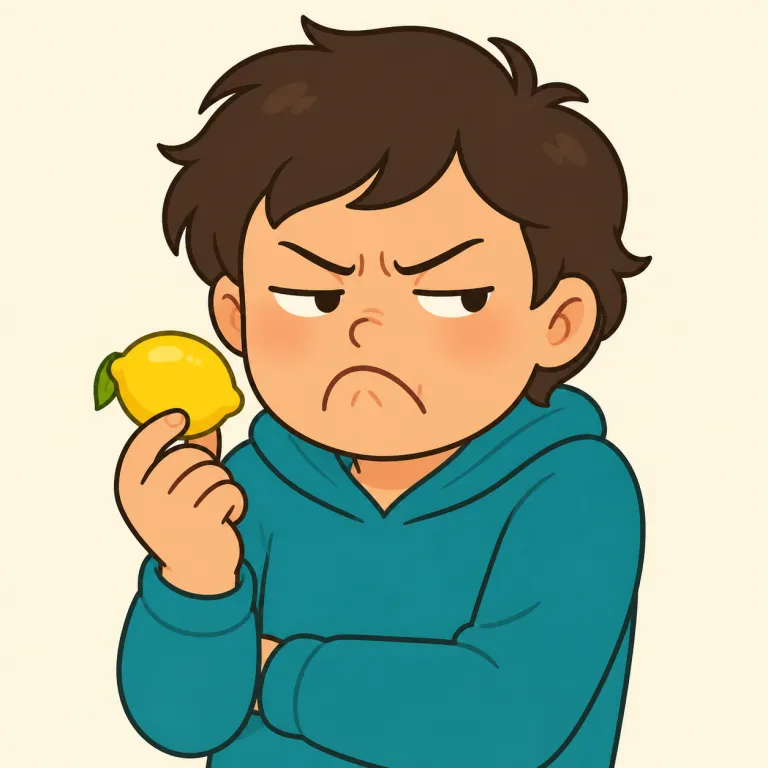
解説 Definition
人の表情・声・態度などが、機嫌の悪さやとげのある感じを帯びていることを表す形容詞です。sour look, sour mood のように使われ、単に静かなだけでなく、愛想のなさや険悪さをにおわせます。会話の空気がぴりつく場面にも使えます。
Showing a bad mood through an unfriendly expression, voice, or attitude. It suggests visible displeasure or sharpness toward others, rather than simply being quiet.
例文
She gave me a sour look after the joke.
その冗談のあと、彼女は私に不機嫌そうな視線を向けた。
He was in a sour mood all morning.
彼は朝じゅうずっと不機嫌だった。
Don't use that sour tone with your sister.
妹にそんな険のある口調で話さないで。
悪化した
(意味 3)
解説 Definition
関係・計画・雰囲気など、もともと順調だったものが悪い方向へ変わった状態を表します。turn sour, go sour の形でよく使われ、交渉がこじれる、人間関係がぎくしゃくする、話が台無しになるといった文脈で自然です。一時的な不機嫌さではなく、状況の悪化に重点があります。
Having become unpleasant, unsuccessful, or troubled after initially going well. It describes the worsened state of a relationship, plan, or situation, often after verbs meaning to become or change.
例文
The game turned sour after a fight.
けんかのあと、試合の雰囲気が悪くなった。
The deal went sour at the last minute.
その取引は土壇場で悪化し、まとまらなかった。
Things went sour between the two friends.
その二人の友達の仲は悪くなった。
sour の類義語・関連語
sour の語源・成り立ち Etymology
sourは古英語sur、さらにゲルマン祖語にさかのぼる古い語で、分解しにくい基本語ですが核は「発酵して刺すような味」です。sournessやsourdoughも同系で、味覚だけでなく機嫌や関係がsourになるのは、『つんと険しく変質した感じ』が共通だからです。
"Sour" comes from Old English "sur" and goes back to an old Germanic word. Its central idea was a sharp, biting taste, especially the taste that develops through fermentation. From that physical taste, English later used it for moods and relationships that have turned harsh or unpleasant, as in "sour" feelings.
同じレベルの語彙をもっと
英検6級の一覧へ →外部辞書で調べる
この英単語をクイズで覚えよう