意味一覧 (4件)
関係する
解説 Definition
主に relate to の形で使い、ある事柄が別の話題・問題・分野とかかわりを持つことを表す。直接の因果を言うより、内容上のつながりや関係性があると示すときに自然。ニュース、研究、説明などが何に関するものかを述べる場面でよく使う。
This verb, usually followed by to, means to have a connection with a subject, issue, or field. It indicates a link in content or relevance rather than necessarily showing direct cause.
覚え方のコツ Memory Tip
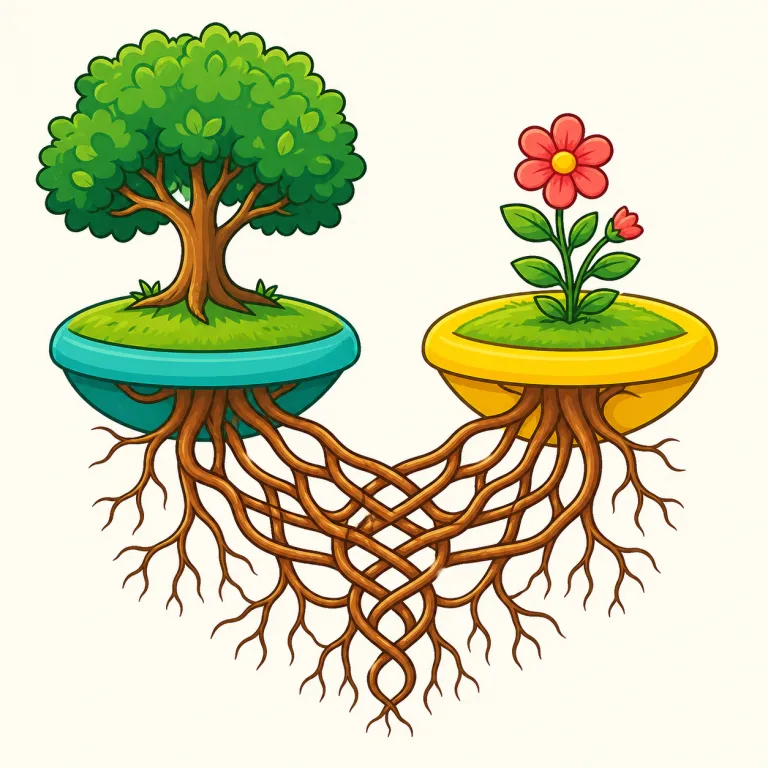
relate は related・relation と同じ仲間だとまとめて覚えると定着しやすい語です。この語義では relate to ... の形で、「点だった話題同士が線でつながる」感覚を持つと自然です。These issues relate to public safety なら「これらの問題は公共の安全と関係している」。relate a story の「語る」ではなく、to が続いたら内容上のつながりを示す、と切り分けると混乱しません。
Connect relate with related and relation, and picture two topics joined by a line. When relate is followed by to, it often shows that one subject has a meaningful connection with another.
例文
These issues relate to public safety.
これらの問題は公共の安全に関係している。
The book relates to Japanese history.
その本は日本の歴史に関係している。
His comment doesn't relate to our discussion.
彼の発言は私たちの議論に関係していない。
関連づける
(意味 2)
解説 Definition
AをBに関連づけて理解・説明するときの動詞で、relate A to B の形が典型的。別々に見える事実や経験のつながりを示し、原因・背景・共通点を説明するときに使う。授業、研究、分析などでよく現れる表現。
This verb means to connect one fact, idea, or experience with another in order to understand or explain them. It commonly appears in the pattern relate A to B when showing a cause, background, or shared feature.
覚え方のコツ Memory Tip
relate は related・relation と同じ仲間で、「別々に見えるものをつなげる」イメージです。relate A to B の形では、AをBに関連づけて説明する意味になります。theory to research, grammar to real situations, symptom to lack of sleep のように、原因・背景・共通点を示して結びつける語として覚えると定着します。
Connect relate with related and relation, and imagine drawing a line between two separate ideas. Use the pattern relate A to B when explaining how one theory, situation, or symptom connects with another.
例文
She related the new theory to older research.
彼女はその新しい理論を以前の研究に関連づけた。
Teachers should relate grammar to real situations.
教師は文法を実際の状況に関連づけるべきだ。
He related the symptom to lack of sleep.
彼はその症状を睡眠不足に関連づけた。
共感する
(意味 3)
解説 Definition
人の経験や感情を自分のことのように理解し、気持ちが分かると感じるときに使う。特に can relate to ... の形で、相手の苦労・不安・立場に自然に感情移入できることを表す。単なる賛成より心理的な近さを含む。
This verb means to understand another person's experience or feelings because they seem familiar to you. It often appears as can relate to and expresses emotional identification rather than simple agreement.
覚え方のコツ Memory Tip
relate は related・relation と同じ仲間だとまとめて覚えると定着しやすい語です。共感する意味では、相手の経験や感情と自分の中の経験が「つながる」イメージです。I can relate to her frustration なら「彼女のいらだちが自分にもわかる」。relate a story の「語る」と違い、can relate to 人・感情の形なら心理的な近さを表す、と切り分けると実戦的です。
Picture your own experience connecting with someone else's feelings. In can relate to her frustration, relate to signals that you understand the feeling personally, not merely that you agree.
例文
I can really relate to her frustration.
私は彼女のいらだちに本当に共感できる。
Many readers relate to the main character.
多くの読者が主人公に共感する。
It's hard to relate to his point of view.
彼の考え方に共感するのは難しい。
語る
(意味 4)
解説 Definition
物語を話す、述べる、語る。自分の経験を他の人に説明する時に使うことができます。
To relate something means to tell or describe it, especially as a story or as a series of events. This use is more formal than simple verbs like "tell" or "say." It often appears in writing, reports, or careful speech.
覚え方のコツ Memory Tip
relate は related・relation と同じ仲間だとまとめて覚えると定着しやすい語です。「点だった情報をつなげ、相手にわかる話として並べる」感覚があるので、単に tell するより、出来事や経験を筋道立てて述べる響きがあります。relate a story / relate his experience の形で覚えると実戦的です。なお relate to になると「関係する・共感する」に寄りやすいので、単独の relate=「語る」と切り分けると混乱しません。
For this meaning, think of `relate` as a more formal cousin of `tell`. It often appears in patterns like `relate a story` or `relate what happened`, where someone gives events in order. If the subject is a witness, report, or article, this meaning is especially likely.
例文
She related her childhood stories to the children.
彼女は子どもたちに幼少期の話を語りました。
He related the events of that day.
彼はその日の出来事を語りました。
The witness related what he saw during the incident.
目撃者は事件の最中に見たことを語りました。
relate の類義語・関連語
relate の語源・成り立ち Etymology
ラテン語 relatus(運び戻された)が語源。re-(戻して)+ latus(運ばれた、ferre の過去分詞)から成り、「情報を持ち帰って結びつける→関連づける」と意味が広がった。そこから relate to ... で「ある事柄が別の事柄に関係する」を表します。関連語: relation(関係)、translate(翻訳する)。
Relate comes from Latin relatus, meaning “brought back,” which is associated with re-, “back,” and a past-participle form of ferre, “to carry.” The idea developed into bringing information together and making a connection.
同じレベルの語彙をもっと
外部辞書で調べる
この英単語をクイズで覚えよう